
Last updated October 16, 2026
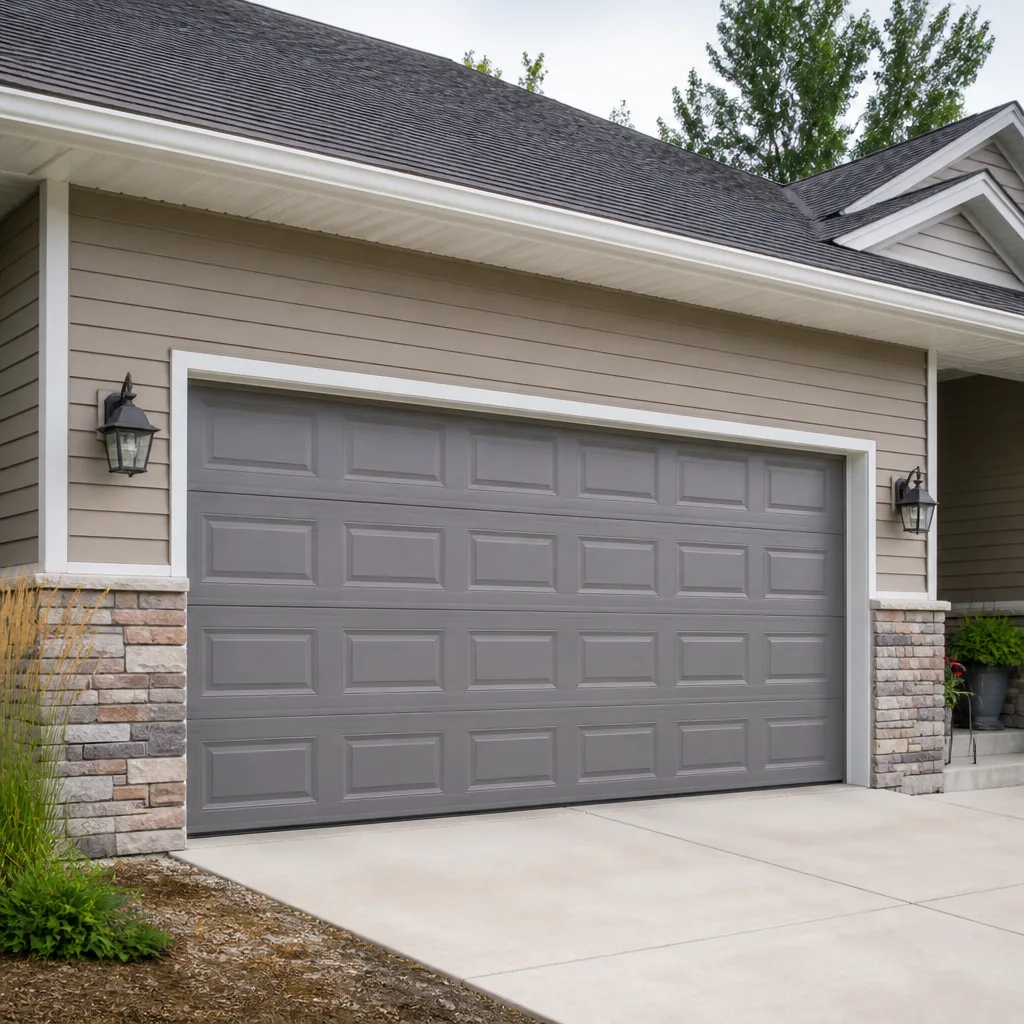 Raised-panel steel
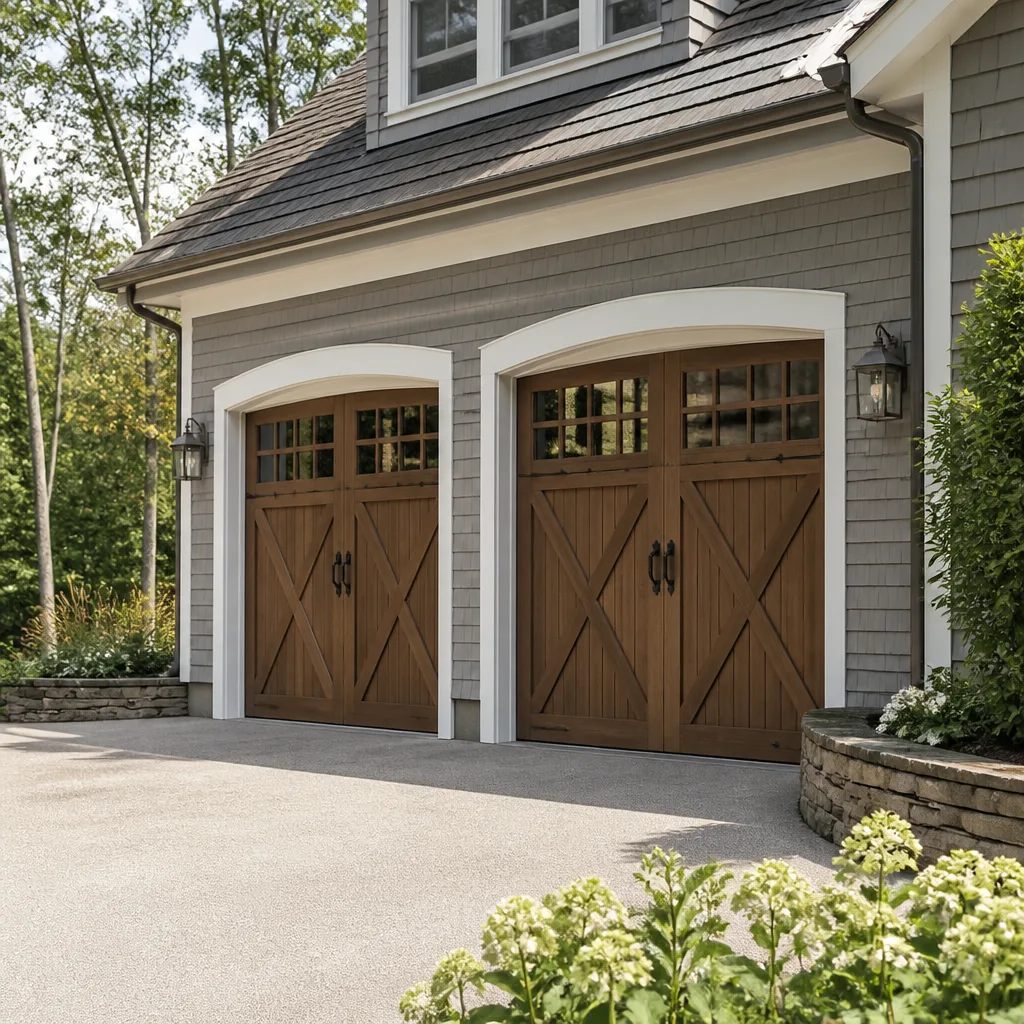 Carriage house
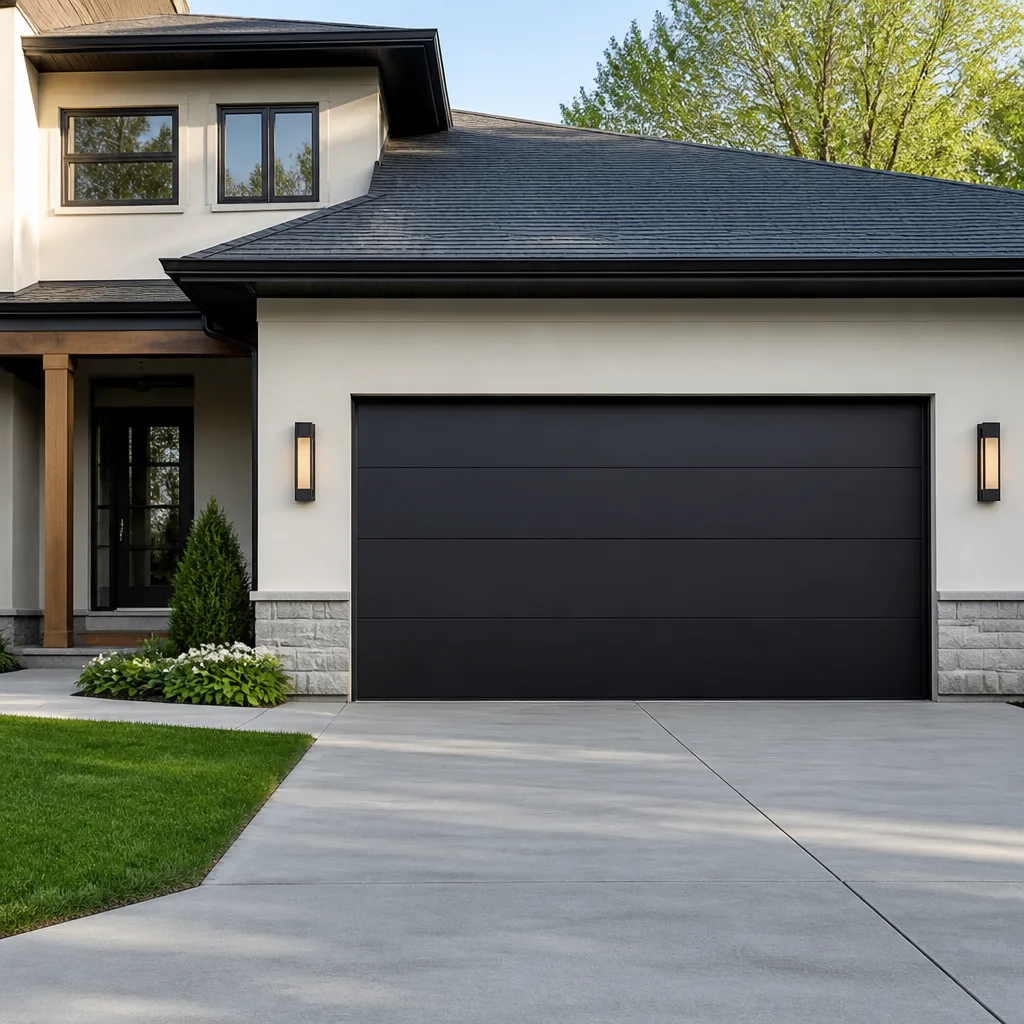 Modern flush
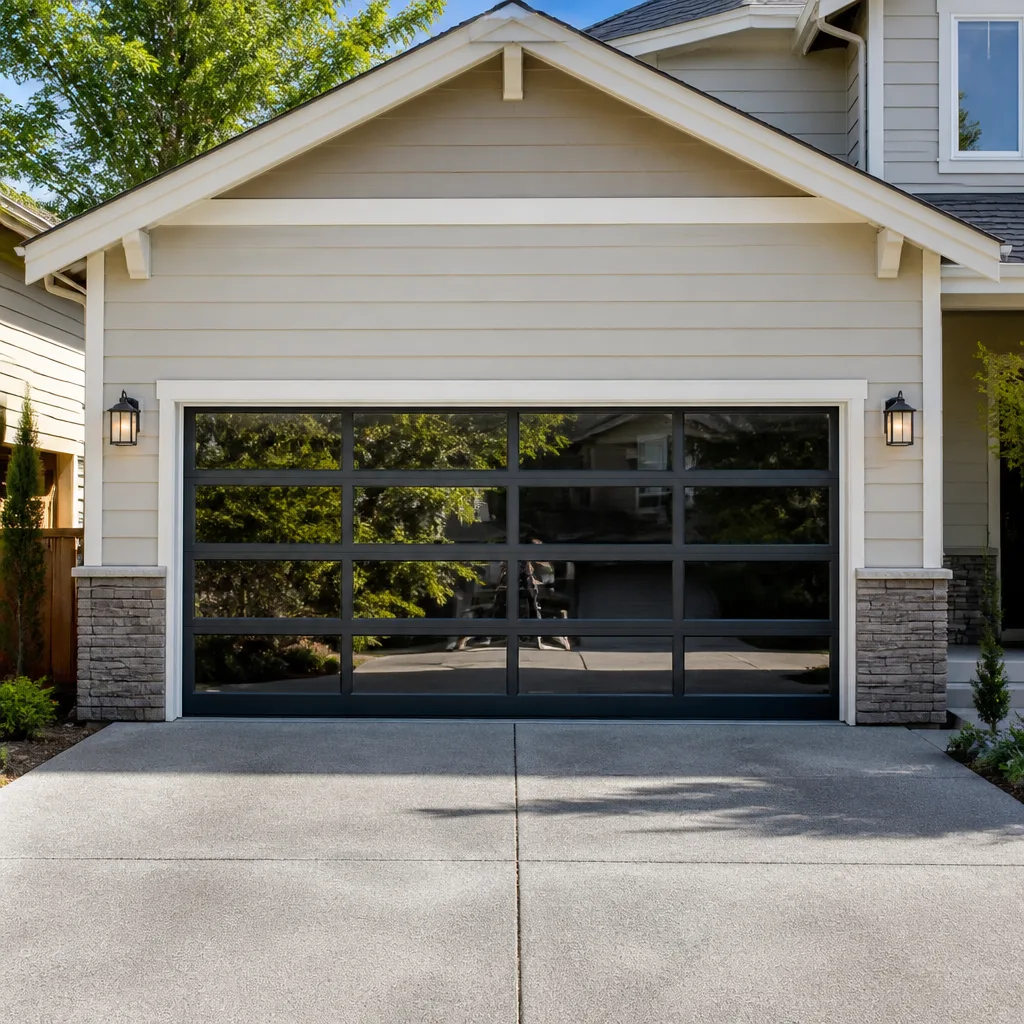 Full-view glass
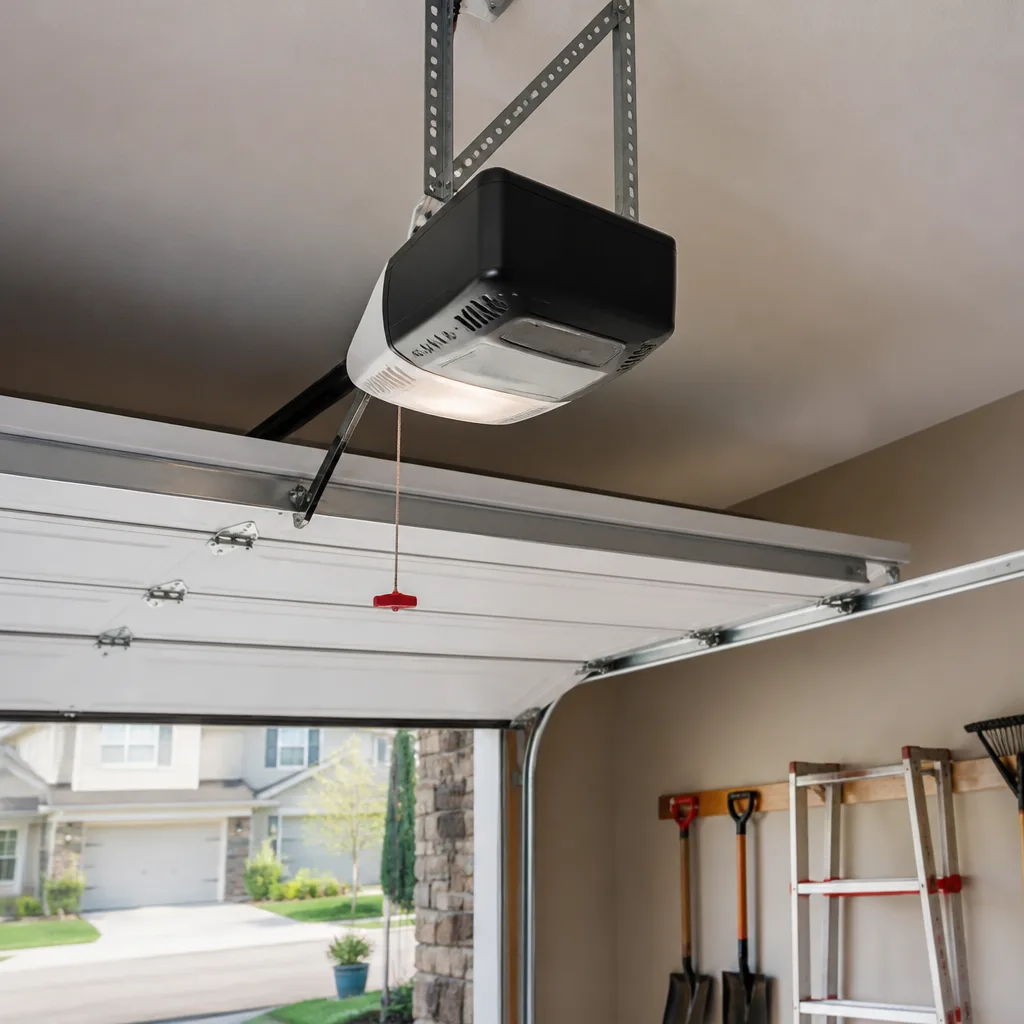 LiftMaster openers
 Chamberlain openers
Full 25-point door and opener safety check with every visit - springs, cables, rollers, tracks, and your LiftMaster or Chamberlain opener included
You get a price before we start. It does not change when the truck arrives.
Get your free estimateSeasonal Garage Door Care for Pasadena: Year-Round Homeowner’s Guide
February in Pasadena isn’t a quiet month for garage doors, even though the mountains are still green and nobody is scraping ice off a windshield. It’s the tail end of our rain period, and the wet debris that worked its way into tracks and bottom seals over the past eight weeks is about to bake in place through a dry, hot summer. A seasonal garage door guide written for Cleveland or Chicago leans heavily on snow load and freeze cycles. That advice means nothing here. What matters in Pasadena is rain infiltration, UV damage, summer heat cycling, and the dry Santa Ana winds that arrive every fall like clockwork. This guide maps maintenance to those actual local stress periods so you can plan the right work at the right time, and for more guides & resources on keeping your door running smoothly year-round.
Quick Answer
Seasonal garage door maintenance in Pasadena works best when organized around four local stress periods: winter rain (December to February), spring UV onset and opener heat buildup (March to May), peak summer heat-cycle stress on springs and cables (June to September), and Santa Ana wind season (October to November). Most homeowners can handle visual inspections, lubrication, and track cleaning themselves, but torsion spring checks and cable tension adjustments should involve a professional-something we cover in depth in DIY vs Professional Garage Door: The Pasadena Homeowner’s Decision Guide. A consistent seasonal routine extends door life by years and prevents the kind of failures that leave a door jammed open overnight.
Styles & brands we work with
Table of Contents
- The Pasadena Rain Period: December through February
- Spring UV Onset and Opener Heat Buildup: March through May
- Peak Summer Heat-Cycle Stress: June through September
- Santa Ana and Smoke Season: October through November
- The Maintenance Log That Protects Your Warranty and Resale
- Common Mistakes to Avoid
- When to Call a Professional
- Frequently Asked Questions
The Pasadena Rain Period: December through February
Pasadena’s annual rainfall is modest by national standards, usually landing somewhere between 15 and 22 inches, but it arrives in concentrated bursts. When a storm system parks over the San Gabriel Valley, it can drop an inch or more in a single afternoon. That water finds its way into places a light sprinkle never reaches: the bottom seal channels, the vertical track brackets, and the small gaps where the weatherstripping has aged and lifted away from the door edges.
The first significant rain event of the season is the trigger point for a specific checklist. We tell homeowners in Pasadena to walk the door within 48 hours after the first real downpour. What you’re looking for is debris. Wet leaves from oaks and sycamores get blown into the lower track sections, where they mix with dust and form a paste. When the track dries, that paste hardens, and the rollers start grinding against it instead of rotating freely. Every subsequent door cycle scrapes the material harder into the track wall.
Here’s the after-rain routine in order:
- Inspect both bottom corners of the door from inside the garage. Look for standing water or dark staining on the concrete. That stain tells you the bottom seal is no longer sitting tight against the slab, and water has been wicking under the door.
- Run a flathead screwdriver or putty knife gently along the inside face of both vertical tracks. You’re clearing caked debris. Do not scrape the rolling surface at an aggressive angle. Work from top to bottom so loosened material falls away from the bracket.
- Check the bottom seal by pressing a flashlight against the door from outside at dusk. If you can see light bleeding through underneath, water is getting through too. A replacement bottom seal for most Pasadena homes runs $90 to $180 installed, depending on door width and seal type.
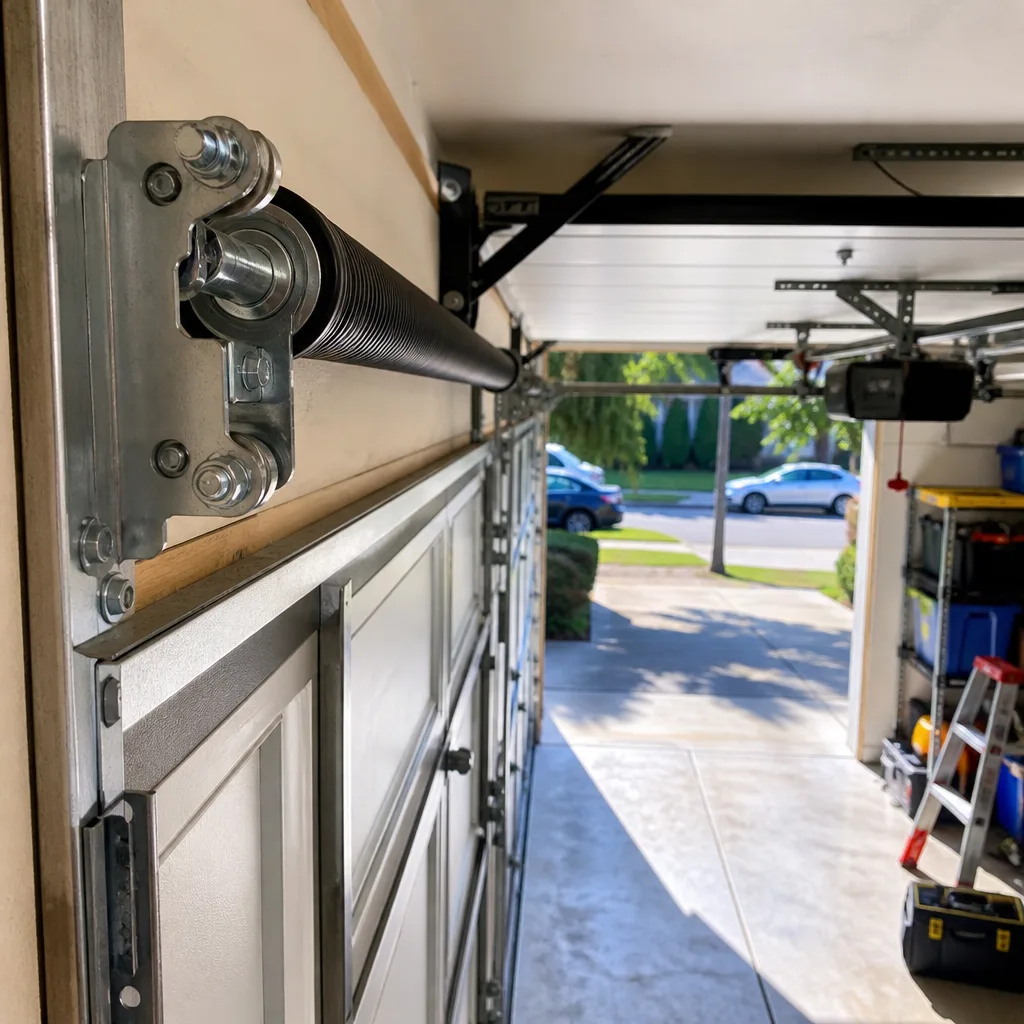
- Wipe down exposed hardware with a dry rag. Pay attention to the torsion spring, the thick coiled spring mounted above the door that bears most of the lifting load. Surface moisture sitting on that spring will promote oxidation over the following dry months.
One issue we see regularly in homes near the Arroyo Seco and along the tree-lined streets of Bungalow Heaven and Madison Heights: eucalyptus debris. Eucalyptus leaves hold moisture longer than oak leaves do, and they ferment slightly as they break down. That creates a mildly acidic slurry that accelerates light corrosion on zinc-plated track brackets. If you have a big eucalyptus anywhere near your driveway, check the lower track after every rain event, not just the first one of the season.
Rain-period care is mostly visual. You are not fixing things. You are identifying what the wet weeks are doing, so it doesn’t harden into a mechanical problem by spring.
Spring UV Onset and Opener Heat Buildup: March through May
By March, daytime highs in Pasadena climb into the 70s and 80s, and the sun angle shifts enough that a west-facing or south-facing garage door absorbs real heat. This is when two separate things start happening at once: the door’s finish gets hit with direct UV, and the opener unit mounted to the ceiling begins its annual cycle of heat accumulation.
The UV issue is straightforward. Pasadena has more than 280 sunny days a year, and homes in areas like Northwest Pasadena and Hastings Ranch with unshaded driveways take the full brunt. A steel door with a factory paint finish will hold up well for years, but the weatherstripping along the jambs and header are less durable. UV breaks down the plasticizers that keep the vinyl flexible. It happens slowly, then all at once. You’ll notice small cracks starting at the corners, then a tear, and by summer the seal is flapping loose every time the wind blows.
Check the perimeter seals each spring. Run a finger along the jamb seal from bottom to top on both sides. If the material feels chalky or leaves a fine powder on your finger, the UV has done its work. Replacement jamb seals run $70 to $140 for a standard two-car door in Pasadena, depending on the width. That’s a far smaller bill than the pest entry and heat loss a failed seal invites.
The opener heat issue is less visible and more consequential. Most garage door openers are mounted on the garage ceiling, which is typically the hottest part of the garage. In a Pasadena summer, an uninsulated garage can hit 110 degrees or more by late afternoon. The opener’s circuit board is under that ceiling, and the board’s logic runs hotter than the ambient air. Electronics fail on a curve: every 10 degrees above the rated operating temperature shortens component life. We replace opener circuit boards in Pasadena disproportionately from May through August, and the failures track closely to units installed in garages with no ventilation and no insulation.
What does mitigation look like?
- Add ventilation. A simple gable vent or a pair of wall vents near the ceiling drops peak garage temperature by 10 to 15 degrees, and that is enough to keep the board inside its operating envelope.
- Confirm clearance around the opener chassis. There should be at least a few inches of air space above and on the sides of the unit. Storing boxes or seasonal decorations on top of or against the opener traps heat.
- Check the opener’s internal fan or heat sink, if it has one. Dust buildup on the heat sink is common by late spring. A gentle blast of compressed air keeps air moving across the fins.
- Consider an insulated door. Not for the opener alone, but because the door is the largest thermal panel on most Pasadena garages. An insulated door doesn’t just hold heat in during winter, it keeps heat out in summer. Homes near the Rose Bowl and the Arroyo see meaningful temperature swings on the garage wall the door represents.
Note: If you have a Garage Door Opener Repair in Pasadena issue where the opener runs fine in the morning but stalls or reverses by mid-afternoon, heat saturation on the circuit board is the prime suspect. That’s not a motor problem. It’s a thermal problem on the logic board.
Peak Summer Heat-Cycle Stress: June through September
Summer is when the mechanical components of a garage door work hardest. The door itself expands slightly in the heat. The torsion spring, mounted above the door, is subjected to repeated load cycles at elevated temperatures. A spring’s cycle rating is determined at a standard temperature, typically 70 degrees. Operating the same spring at 100 degrees does not void the rating, but it changes the rate at which metal fatigue accumulates. Every time the door opens, the spring winds and unwinds. That is one cycle. Heat adds stress to each cycle. It is the difference between walking a mile on flat ground and walking a mile uphill at noon.
Our technicians watch a predictable pattern every summer in Pasadena: spring failures cluster in June, July, and early August, and they skew toward doors that face south or west with no shade. The metal isn’t just hot from the ambient air, it’s hot from radiant sun hitting the door panel directly. That heat conducts into the spring through the door bracket and shaft. A torsion spring that was rated for 10,000 cycles might realistically deliver 7,000 to 8,000 in that exposure profile.
What you can do in summer:
- Listen to the door once a week. Step inside the garage and operate the door once while you stand near the spring. A healthy spring is quiet. Squeaking, popping, or a rough metal-on-metal sound means the spring is binding or the bearing plates are dry.
- Visually inspect the torsion spring twice a month from June through September. Stand to the side, never directly under the spring. Look for a visible gap in the coil. A torsion spring that breaks in Pasadena’s summer usually snaps clean, and you’ll see a separation between the coils.
- Check the extension spring safety cables, if your door uses extension springs. These are the long springs that run along the horizontal track on both sides. There should be a cable running through the center of each spring. If the safety cable is missing, a spring break sends that spring flying, and that is a legitimate safety hazard.
- Lubricate the rollers, hinges, and spring with a garage-door-specific lubricant, not WD-40. Use a lithium or silicone spray. Apply it to the hinge pins, the roller bearings, and the spring coils. Twice a summer is enough for most Pasadena homes.
The heat is hardest on cables, too. Galvanized aircraft cable expands and contracts with temperature. Over years of Pasadena summers, the cable develops a subtle work-hardening at the drum, the wheel that the cable wraps around at the top of the door. When the cable starts to fray, you’ll see individual wire strands separating near the drum. That is the point to call someone. A cable break under load can whip the door off balance and bend the track or damage the opener. The repair is not a homeowner job. Garage Door Cable Repair in Pasadena work on a two-car door typically runs $150 to $275, depending on cable type and drum condition. Quote it before the cable strands, not after the door has slammed shut and the panel is buckled.
Santa Ana and Smoke Season: October through November
Pasadena’s late fall brings the dry offshore winds that sweep down from the high desert through the San Gabriel foothills and the Arroyo Seco corridor. These are not gentle breezes. Gusts routinely top 30 to 40 mph in exposed areas near the Rose Bowl, La Cañada Flintridge, and the hillside streets of Linda Vista. And they arrive after six months of heat and low humidity have already stressed the door components.
The Santa Ana effect on a garage door is wind loading. You don’t think about a garage door as a sail because it sits vertical, but a 40 mph gust hitting an unsealed 16-foot-wide door exerts real lateral force. The door rocks against the tracks. The track brackets take that load, and the torsion spring gets a fast, uneven cycling load, not the smooth, controlled winding of normal operation. Over years, the bolt holes on the track brackets can oval out, and the door starts to shimmy when the wind hits it. You can hear it from inside: a low rattle that sounds like the track is loose.
Wildfire smoke adds a secondary problem. Smoke carries fine particulate and, depending on the fire’s proximity, a faint acidic residue. That particulate settles on the door surface and on the hardware. On the door face, it’s cosmetic unless left for months. On the track and hinges, it mixes with whatever lubrication is present and forms a fine grinding compound. The track doesn’t fail from one smoke event. It fails from the cumulative effect of smoke residue, dry-season dust, and wind-driven grit sanding the roller bearings.
After the first Santa Ana event of the season, run this check:
- Operate the door and watch the track brackets. If a bracket shifts even a quarter inch, the mount has loosened. Tightening a lag bolt is a 10-minute fix. Ignoring it leads to track spread and a door that comes out of the track.
- Feel the door’s weatherstripping with the door closed. Wind-driven dust works its way through any gap. If you can feel air movement around the edges, the seal has compressed or torn and needs replacement.
- Wipe down the visible track sections with a dry cloth. Remove the smoke film before it binds with the lubricant. Then re-lubricate lightly.
- Check the emergency release pull cord. The Santa Ana winds sometimes vibrate the release mechanism loose. Confirm the cord is intact and the carriage engages properly when you reconnect the opener.
Weather systems affect Garage Door Repair in Pasadena patterns in a direct way. When the Santa Ana blows hard for two or three days straight, we get calls about doors that suddenly won’t close all the way. The cause is usually debris blown into the photo eye path or a bracket that loosened two years ago and only now shifted enough to bind the track.
The Maintenance Log That Protects Your Warranty and Resale
A simple dated log takes five minutes a year and pays off in two specific situations: a warranty claim and a home sale disclosure. Garage door warranties from manufacturers like Amarr, Wayne Dalton, and Raynor typically require the homeowner to perform routine maintenance. The requirement is usually stated as “normal care and maintenance” without a strict schedule, but when a spring fails inside what you believe is the coverage window, the manufacturer’s first question is about maintenance history. A log with dates and notes makes that conversation factual instead of defensive.
The log does not need to be elaborate. A sheet of paper inside the garage cabinet door or a notes file on your phone works. What matters is that it exists and has dates.
Here is the format we describe to homeowners:
- Date and time. Include the month and year at minimum.
- What you inspected. “Bottom seal, both tracks, torsion spring visual check.”
- What you did. “Cleared eucalyptus debris from lower track, lubed hinges and rollers with silicone spray.”
- What you observed. “Bottom seal has a 2-inch gap at southeast corner. Will schedule replacement.”
- Follow-up action. “Called Brock Garage Doors Pasadena, scheduled cable inspection.”
If you sell the home, this log is part of the disclosure package. California’s SELLER disclosure requirements ask about known defects and material facts. A garage door with documented seasonal care presents differently than one with no history. It signals a maintained system, and in a Pasadena market where homes in neighborhoods like Madison Heights and San Rafael routinely sell above asking, that signal is worth real money.
One more note on warranties: If a Brock Garage Doors Pasadena home service is performed, the written price is handed over before work starts, and the repair is covered in writing for 365 days. If it fails in that window, we return at no charge. Keep that written guarantee with your maintenance log. It is a transferable document in most cases, and it belongs in the same folder as the roof inspection and the HVAC service record.
Common Mistakes to Avoid
- Using WD-40 on the tracks and rollers. WD-40 is a penetrant and degreaser, not a lubricant. It breaks down the existing grease, and within a few weeks the door is grinding worse than before. Use a garage-door-specific silicone or lithium spray.
- Ignoring a bottom seal gap because “it’s just a little water.” The water is the least of it. A gap at the bottom is an entry point for rodents, particularly in Arroyo-adjacent areas of Pasadena where rat activity picks up in dry months. It also invites debris into the garage every time the wind blows.
- Lubricating a noisy spring instead of inspecting it. A noisy spring is often a stressed spring. Lubricant quiets the symptom while the underlying metal fatigue continues. If a spring is making a sound it didn’t make last year, have it inspected.
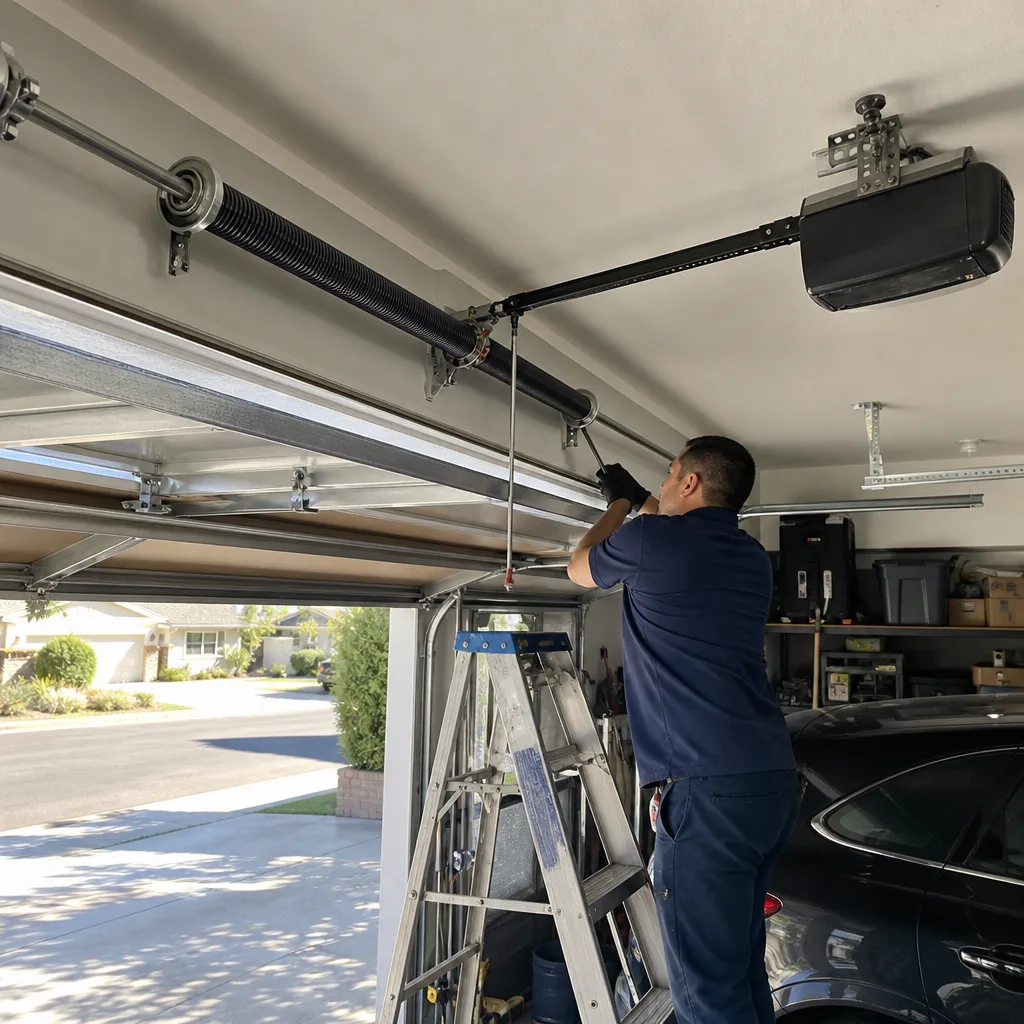
- Leaning a ladder against the door and working near the torsion spring without training. Torsion springs are under enormous tension. A properly wound Pasadena two-car door spring stores enough energy to break bone. This is the single most dangerous component in the entire garage door system, and it is never a DIY repair.
- Waiting to address a door that runs unevenly. When a door tilts slightly as it opens, something in the balance system has changed. It might be a tired spring, a slipping cable drum, or a broken cable strand. The imbalance gets worse with every cycle, and it eventually bends a track or strips the opener gear.
- Storing the garage door maintenance log somewhere you’ll never find it. The log only works if it is accessible when you need it. Keep it in the garage or in a digital notes folder that syncs to your phone.
When to Call a Professional
Call a professional if you see a visible gap in a torsion spring, frayed cable strands near the top drum, or a track bracket that shifts when the door moves. These are load-bearing components, and a failure under load can damage the door, the vehicle, or a person. Also call when the opener runs but the door doesn’t move, which usually indicates a broken spring or a stripped coupler inside the opener chassis. If the door is suddenly loud during operation, that’s a signal that a component is working outside its normal range. Brock Garage Doors Pasadena offers free estimates in Pasadena and has someone who answers the phone around the clock, so you are never explaining the problem to a voicemail tree at 10 p.m. Call (626) 788-0967 and a real person picks up.
Frequently Asked Questions
Most Pasadena homeowners spend $0 to $50 per year on DIY seasonal maintenance: a can of silicone lubricant, a clean rag, and a half hour of inspection time per season, though full project costs vary widely-see our Garage Door Cost Breakdown: The Pasadena Homeowner’s Reference for 2026 for a detailed look. When a replacement component is needed, bottom seal replacement typically runs $90 to $180, jamb seal replacement runs $70 to $140, and cable replacement runs $150 to $275. Call (626) 788-0967 for an exact quote on any of these items, and the price is written before any work starts.
Yes, you can lubricate the springs safely as long as you never touch or wind them and you work from a ladder positioned to the side, away from the spring’s rotational plane. Use a silicone or lithium spray and apply a light coat to the coil faces. Do not use WD-40. If the spring is noisy after lubrication, have it inspected.
Every three months, aligned with the four Pasadena stress periods: after the first significant rain of winter, in March as UV damage starts, in June as heat-cycle stress peaks, and in October after the first Santa Ana wind event. Each inspection takes about 15 minutes if you follow the checklists in this guide.
The circuit board inside the opener runs hotter than the ambient garage air, and unventilated garages regularly exceed 105 degrees in Pasadena from June through September. Heat degrades the electronic components on the logic board, which causes intermittent failures, stall-outs, and the classic symptom of working in the morning but not the afternoon. Adding a wall vent near the ceiling is the single most effective mitigation.
Santa Ana gusts hitting a wide garage door create lateral wind loading that stresses track brackets and the torsion spring. Over multiple wind seasons, bracket holes can elongate and tracks can shift enough to bind the door. If you hear rattling from the track area during a wind event, have the brackets checked before the door comes out of the track.
Bottom seal replacement is accessible for a careful DIYer with basic tools, but it is an easy job to get subtly wrong. The seal must be cut precisely to width and seated fully into the retainer channel, and the retainer itself may be corroded or deformed from years of Pasadena sun. If the door doesn’t seal evenly after replacement, water and rodents will find the gap. Most homeowners save time by having it done in a single visit for $90 to $180. Call (626) 788-0967 and the price is in writing before the work begins.
The Bottom Line
Seasonal garage door care in Pasadena is not about following the same spring-summer-fall-winter checklist that a homeowner in the Midwest uses. It’s about understanding what the San Gabriel Valley climate actually does to a door: winter rain that pushes water and debris into tracks, spring UV that breaks down seals, summer heat that strains springs and cooks opener boards, and fall winds that load the door like a sail. The fix is a quarterly routine, a dated maintenance log, and the discipline to call a professional when you see a gap in a spring or frayed cable strands. Bypass the guesswork and keep the Garage Door Repair in Pasadena number close: (626) 788-0967. A live person answers, the price is always written before work starts, and the repair is covered in writing for 365 days.
Written by Wade Mercer, Owner at Brock Garage Doors Pasadena, serving Pasadena since 2001.
See the difference
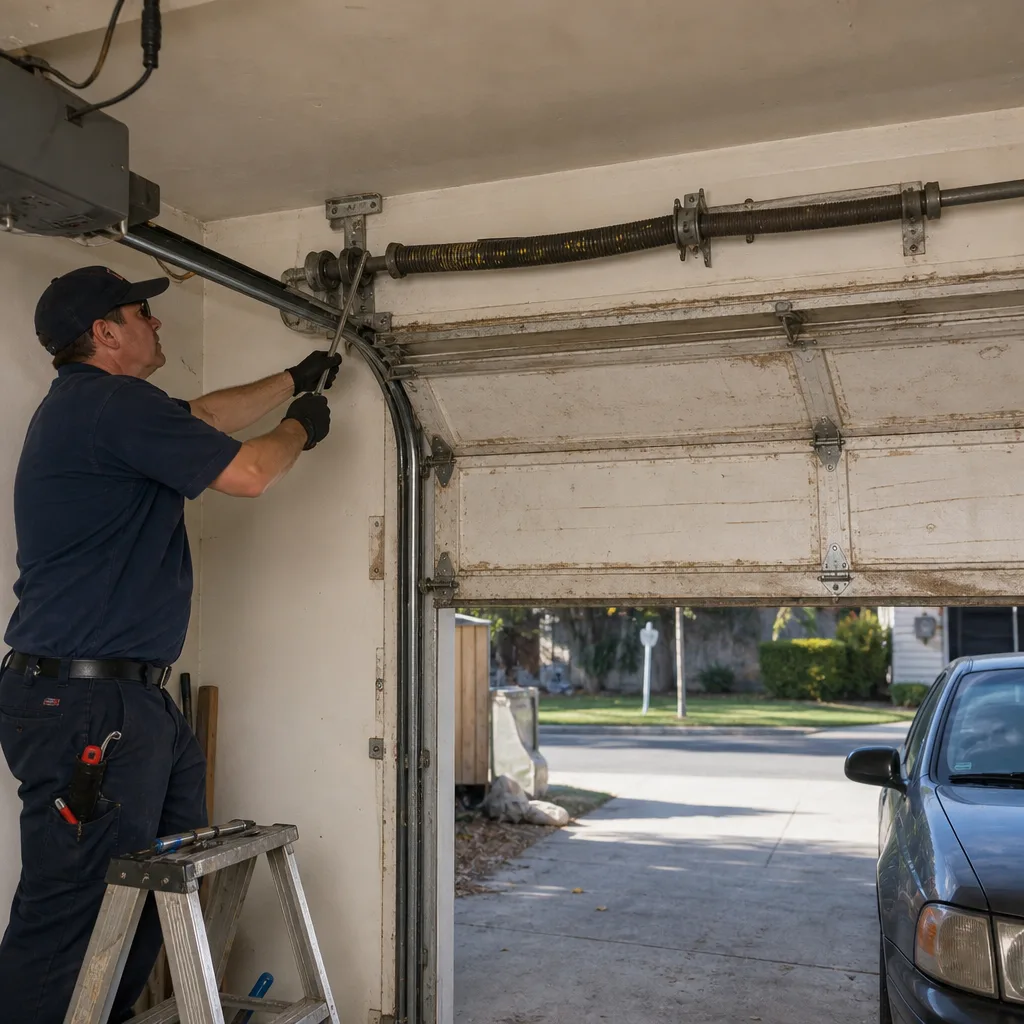 Before
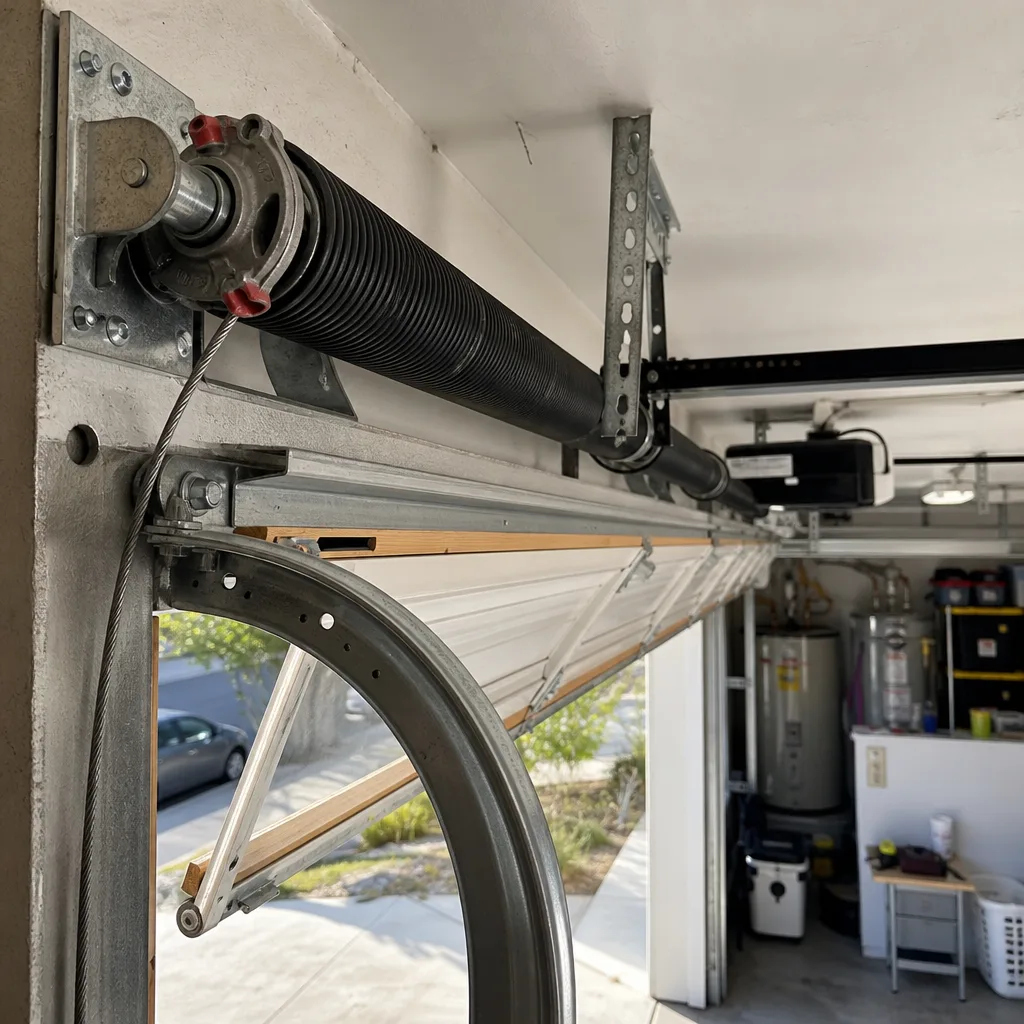 After
After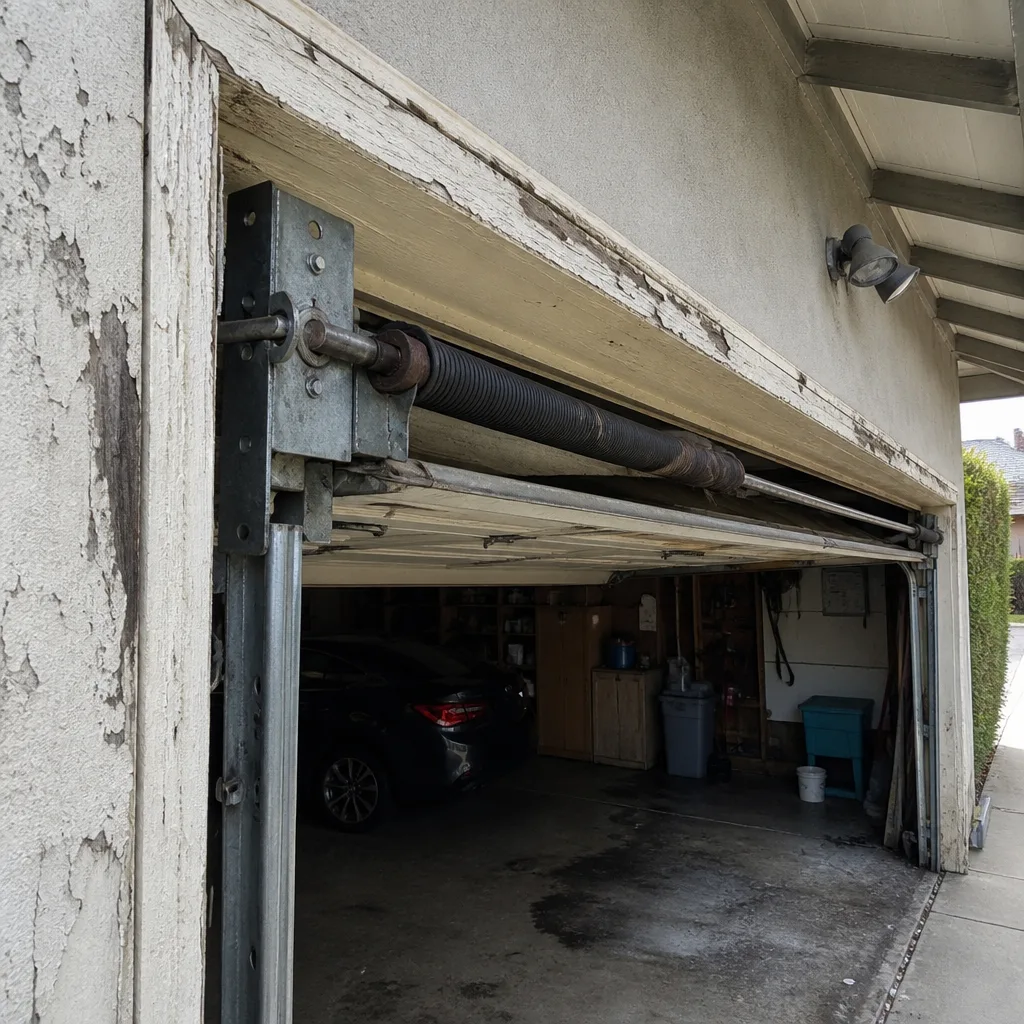 Before
 After
After Before
 After
After