
Last updated October 16, 2026
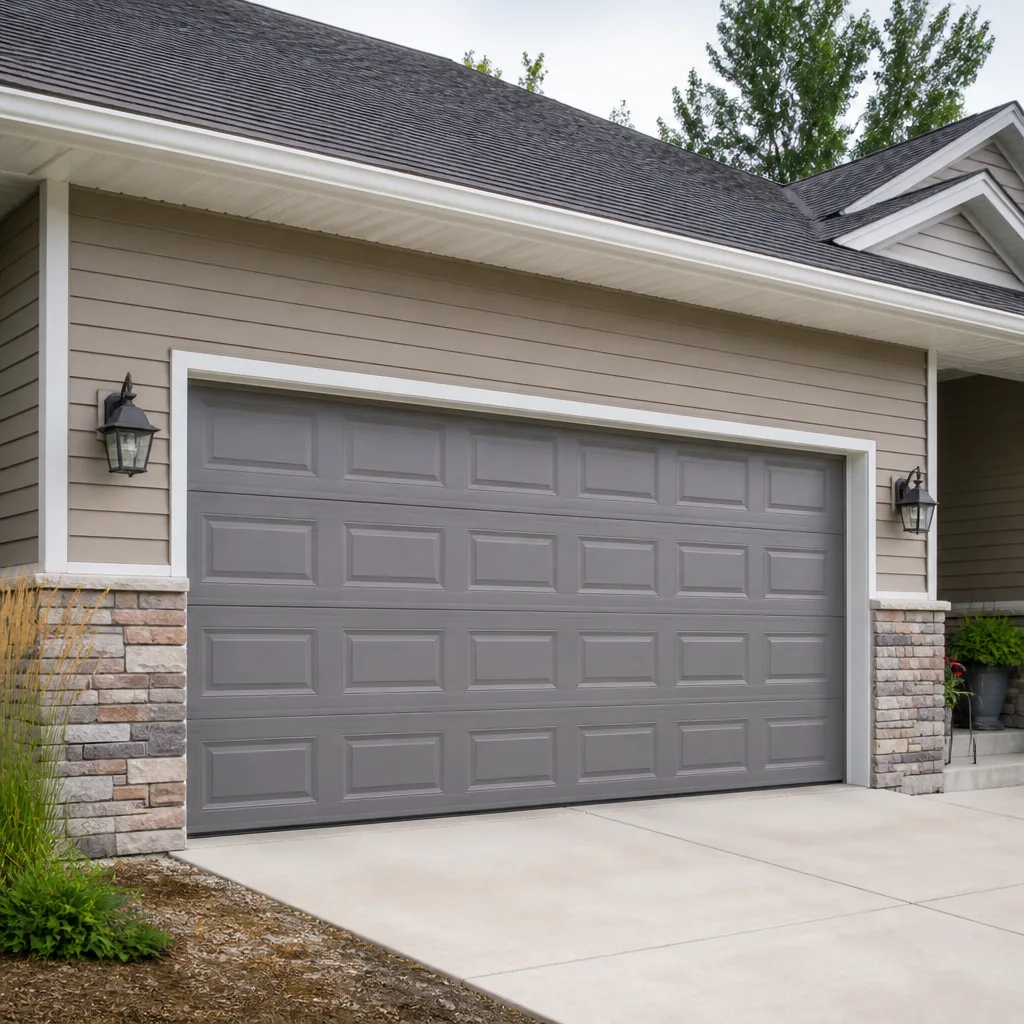 Raised-panel steel
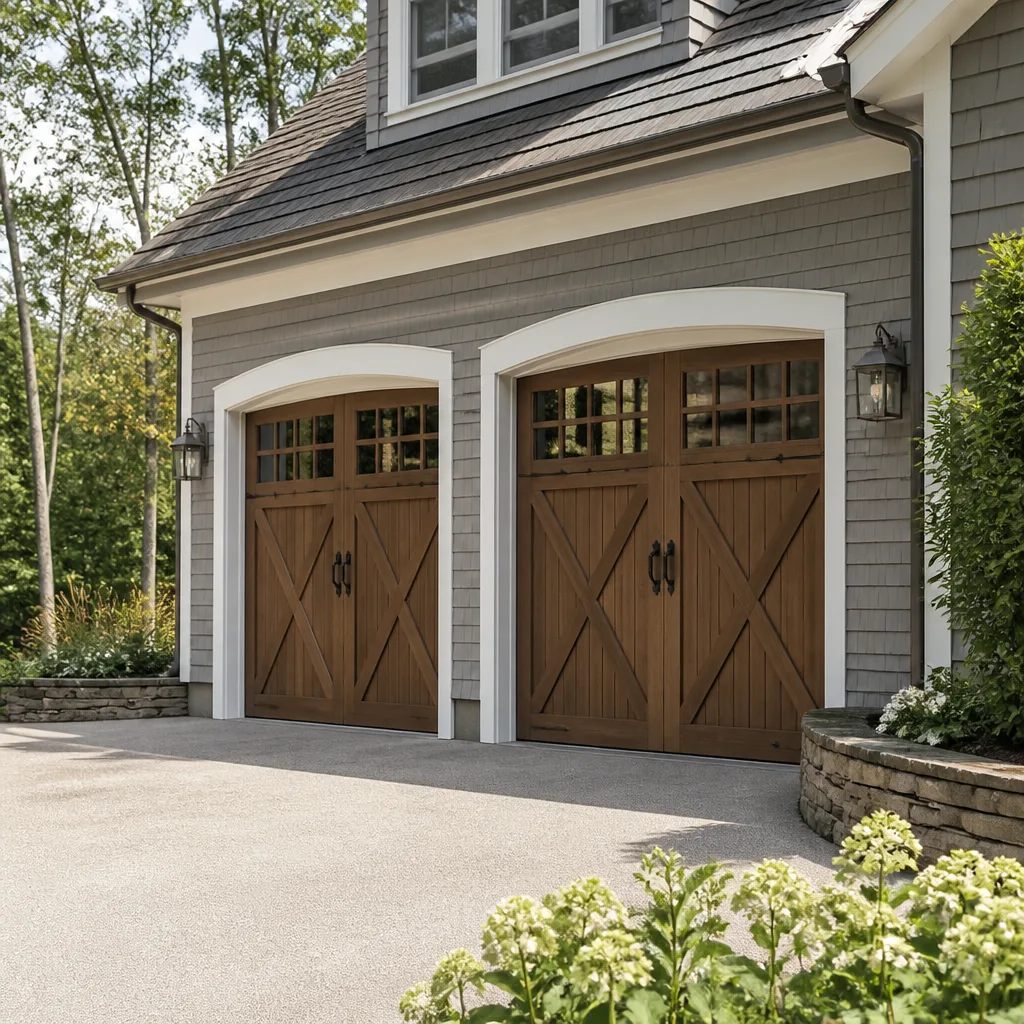 Carriage house
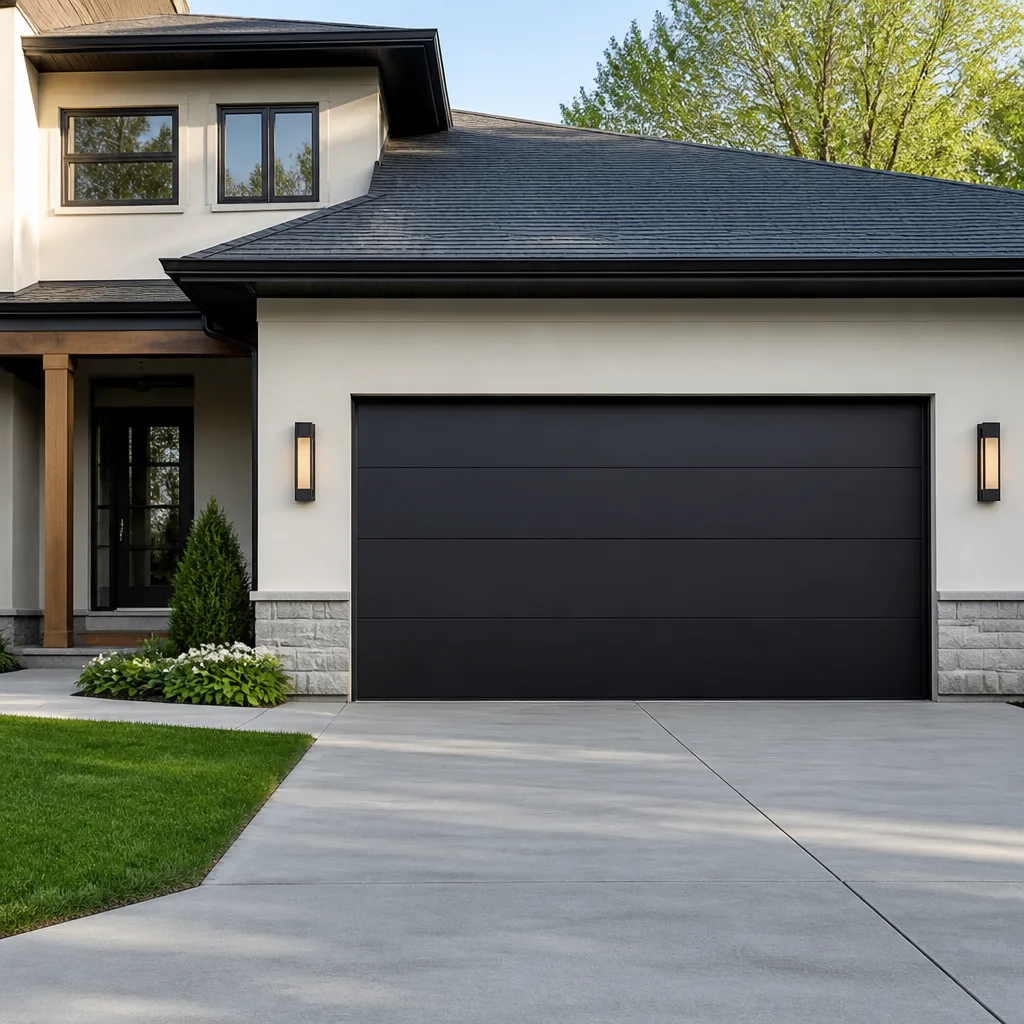 Modern flush
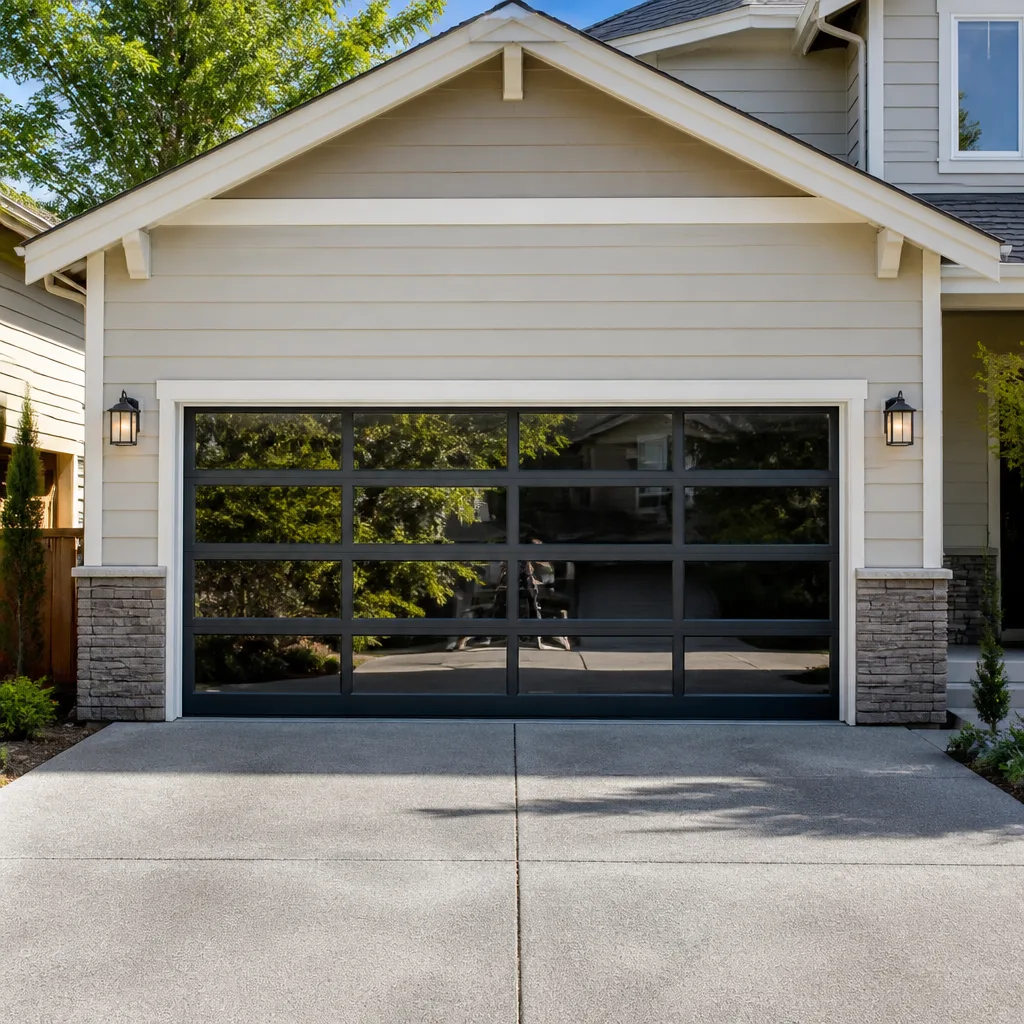 Full-view glass
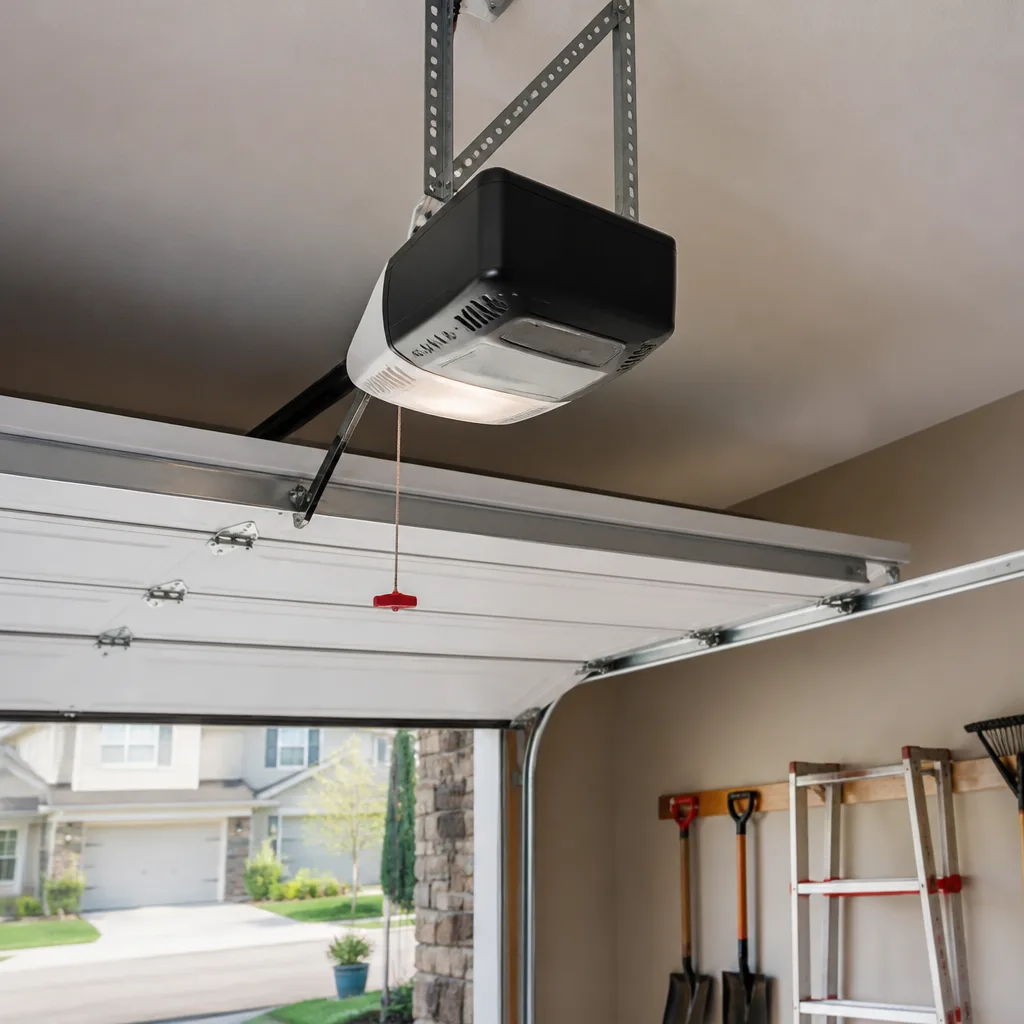 LiftMaster openers
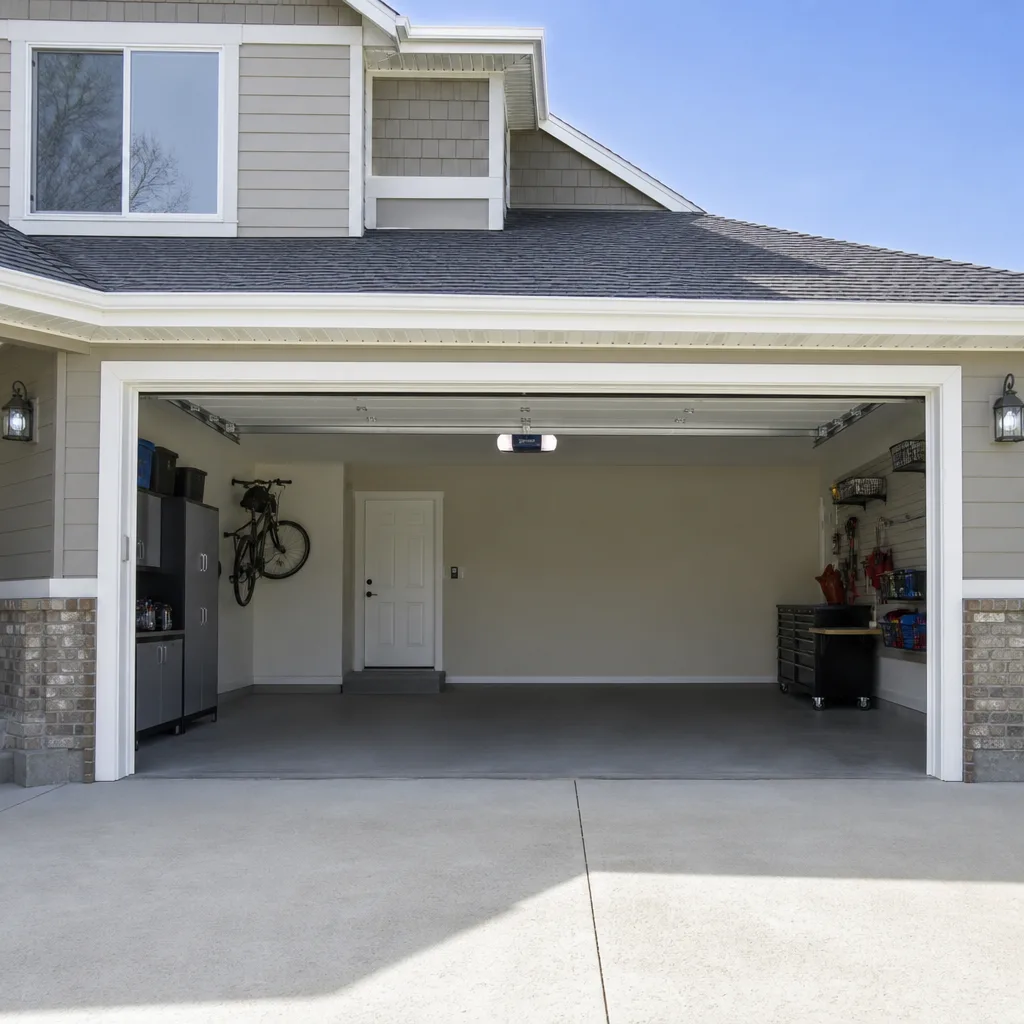 Chamberlain openers
Full 25-point door and opener safety check with every visit - springs, cables, rollers, tracks, and your LiftMaster or Chamberlain opener included
You get a price before we start. It does not change when the truck arrives.
Get your free estimateDIY vs Professional Garage Door: The Pasadena Homeowner’s Decision Guide
A torsion spring on a typical Pasadena two-car garage door holds enough stored energy to break a forearm or tear through a hand when it lets go without warning. YouTube makes spring replacement look like a 20-minute job because the person on camera has done it hundreds of times with purpose-built winding bars and a healthy respect for what happens if the bar slips. This guide-along with our more guides & resources-draws a clear line between the handful of garage door tasks a Pasadena homeowner can handle safely and the categories where the math on DIY is simply wrong.
Quick Answer
DIY is appropriate for lubrication, bottom seal replacement, minor track cleaning, and sensor realignment; professional service is non-negotiable for torsion springs, extension springs, cables under tension, and full panel replacement. The deciding factor is not your mechanical confidence. It’s the category of component and the stored energy you cannot see. For roughly 80 percent of what actually goes wrong with a garage door, the safe and economically rational choice in Pasadena is a trained technician with a written quote.
Styles & brands we work with
Table of Contents
- The Component Categories: Where DIY Is Safe and Where It Isn’t
- The Physics of Torsion Spring Failure, in Plain English
- Four Garage Door Tasks a Pasadena Homeowner Can Do Safely
- Three Repairs That Require a Professional, No Exceptions
- California Liability: What DIY Can Cost You in Pasadena
- The Real Cost Comparison: DIY vs. a Written Quote
- Two Scenarios Where DIY Is the Right Call
- Common Mistakes to Avoid
- When to Call a Professional
- Frequently Asked Questions
- The Bottom Line
The Component Categories: Where DIY Is Safe and Where It Isn’t
Garage door systems break down into two broad buckets. The first bucket contains what we call support components: items like hinges, rollers, seals, brackets, sensors, and track rails. These parts are accessible, replaceable with basic tools, and generally do not store energy when the door is at rest. The second bucket contains the lifting mechanism: torsion springs, extension springs, lift cables, and the drums they wind onto. These carry the entire weight of the door and remain under tension even when the door is closed.
Most of the DIY horror stories we hear about in Pasadena start with someone treating a lifting-mechanism failure as if it were a support-component job. A frayed cable gets replaced without unwinding the spring first. A spring gets clamped with a pair of vice grips because the right winding bars weren’t on hand. The injury that follows is rarely a minor cut. In our experience serving Pasadena homeowners, the aftermath usually involves a hospital visit and a door that still doesn’t open.
Here is the line drawn plainly:
- Safe for DIY: lubrication of rollers and hinges, bottom weather seal replacement, cleaning and tightening track bolts, sensor realignment, and remote control battery changes.
- Not safe for DIY: torsion spring replacement, extension spring replacement, cable replacement, drum adjustment, panel replacement, and any repair involving the removal of a spring or cable from a door under load.
The reason the line falls where it does has nothing to do with gatekeeping the trade. It has to do with how energy is stored in each system and what happens when that energy is released suddenly.
The Physics of Torsion Spring Failure, in Plain English
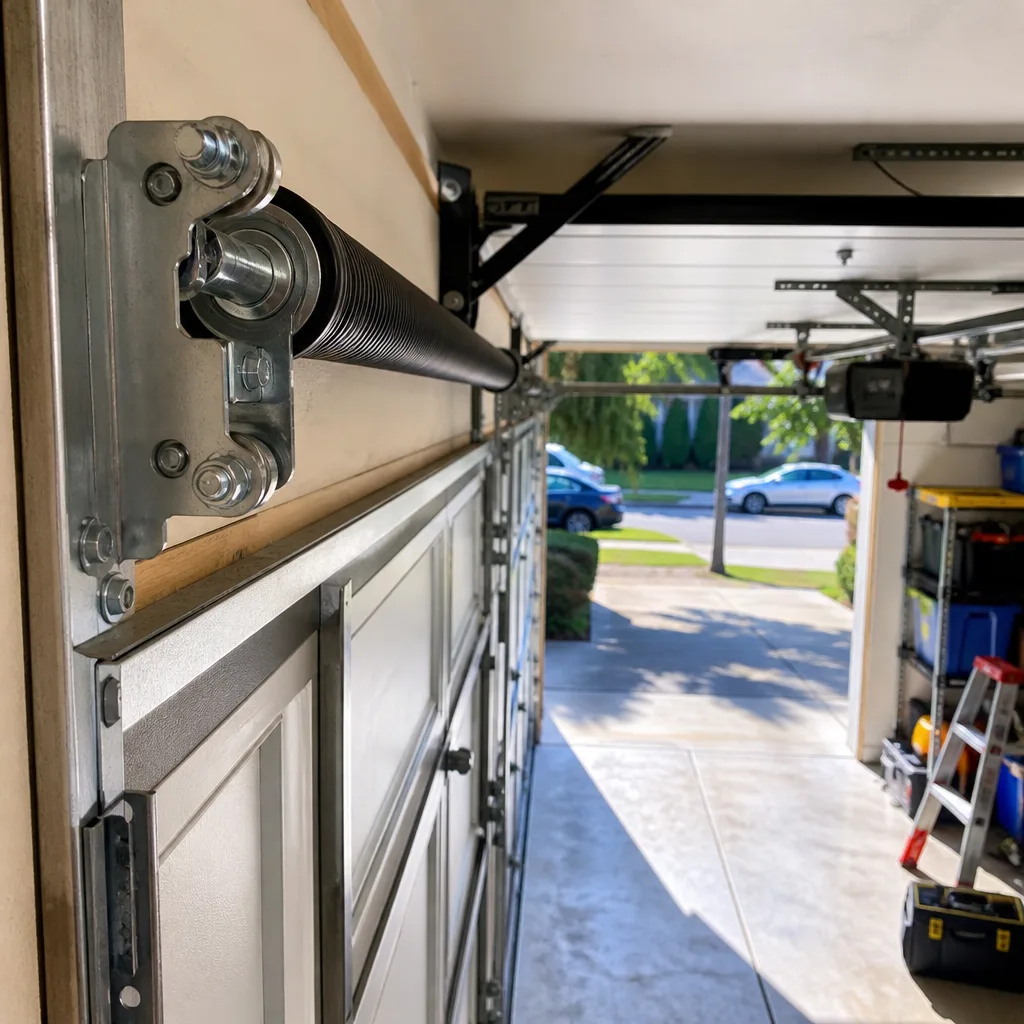
A torsion spring is the thick coiled spring mounted on a metal shaft directly above the closed door. It is not decorative. When the door closes, that spring winds up. Every last bit of the door’s weight is transferred into the coils of the spring. A standard 16-foot Pasadena garage door weighs somewhere between 150 and 250 pounds depending on the material. The torsion spring, when fully wound, is holding that entire load in rotational tension.
When you turn the spring to wind or unwind it during a repair, you are manually twisting a component that wants to snap back to its unwound state. The winding bars used by professionals are purpose-built steel rods designed to fit the winding cone precisely. They are 18 inches long because that length gives a technician enough leverage to control the spring through a quarter-turn at a time. If a bar slips, the spring releases all of its stored energy at once. The bar becomes a projectile. Fingers, hands, and faces in the path take the full force.
This is not an exaggeration intended to scare you away from all DIY work. It is a mechanical fact. The reason we explain it so bluntly is that a torsion spring does not give a warning before it lets go. There is no creak, no slow failure. It is instant.
Extension springs, the older style found on many Pasadena homes built before the 1990s, work differently but carry the same risk. They stretch along the horizontal tracks on either side of the door. When one breaks, the remaining spring and the suddenly unbalanced door weight can send the snapped spring flying across the garage. A safety cable, if present and properly routed, contains some of that energy. Most Pasadena garages with original extension springs do not have safety cables installed.
Four Garage Door Tasks a Pasadena Homeowner Can Do Safely
None of this means you should call a technician for everything. There are four routine tasks that are genuinely safe, require no special tools, and will save you a service call. Here is how to do each one correctly.
1. Lubricating Rollers, Hinges, and Springs
Twice a year, ideally in the spring and fall when Pasadena temperatures shift, apply a silicone-based or lithium-based garage door lubricant to the rollers, hinges, and the torsion spring coils. Do not use WD-40. It is a solvent, not a lubricant, and it will strip the existing lubricant away. Spray the roller bearings (the small wheels inside the track), the hinge pivot points, and a light coat along the spring coils. This takes ten minutes and reduces the grinding noise that many homeowners mistake for a failing door.
2. Replacing the Bottom Weather Seal
The rubber strip along the bottom edge of the door cracks and flattens in the Pasadena sun, especially on west-facing garages. When it fails, dust, leaves, and small pests find their way inside. Replacing it is a true DIY job: loosen the screws on the bottom retainer, slide out the old seal, slide in the new one, tighten the screws back down. The replacement strip costs $15 to $30 at any hardware store. A technician can do it in minutes during a service call, but there is no reason to spend the dispatch fee on a seal.
3. Cleaning and Tightening Track Hardware
With the door closed and the opener disconnected (pull the red release cord), wipe down the vertical and horizontal tracks with a dry cloth. Check every bolt and bracket for looseness. If you find a loose bolt and want to snug it up, that is safe to do by hand with a socket wrench. What you should not do is attempt to bend or reshape a track that has been struck by a vehicle or has a visible dent. That requires a professional to assess whether the track is still true enough to guide the door safely.
4. Realigning Safety Sensors
When the door reverses immediately after touching the ground, or refuses to close at all, the culprit is often a misaligned photo eye. These are the small sensors mounted about six inches off the floor on either side of the door opening. Check if the small indicator lights on both sensors are lit. If one is flickering or dark, loosen the wing nut, adjust the sensor so the beam points straight at its partner across the door, and tighten the nut back. If both lights are solid and the door still reverses, the issue is wiring or the opener logic board, and that is a call to a technician.
Three Repairs That Require a Professional, No Exceptions
The lifting mechanism of a garage door falls into three categories where no amount of YouTube preparation makes DIY safe. These are the repairs where the cost of getting it wrong is measured in broken bones, lacerations, and doors that come off their tracks.
1. Torsion Spring Replacement
Most torsion springs are rated for 10,000 cycles. That translates to roughly seven to ten years of normal use for a Pasadena homeowner who opens and closes the door two to three times a day. When the spring breaks, you will hear it. It sounds like a gunshot in the garage. The door will not open manually, the opener motor will strain, and in many cases, the door is stuck against the ground.
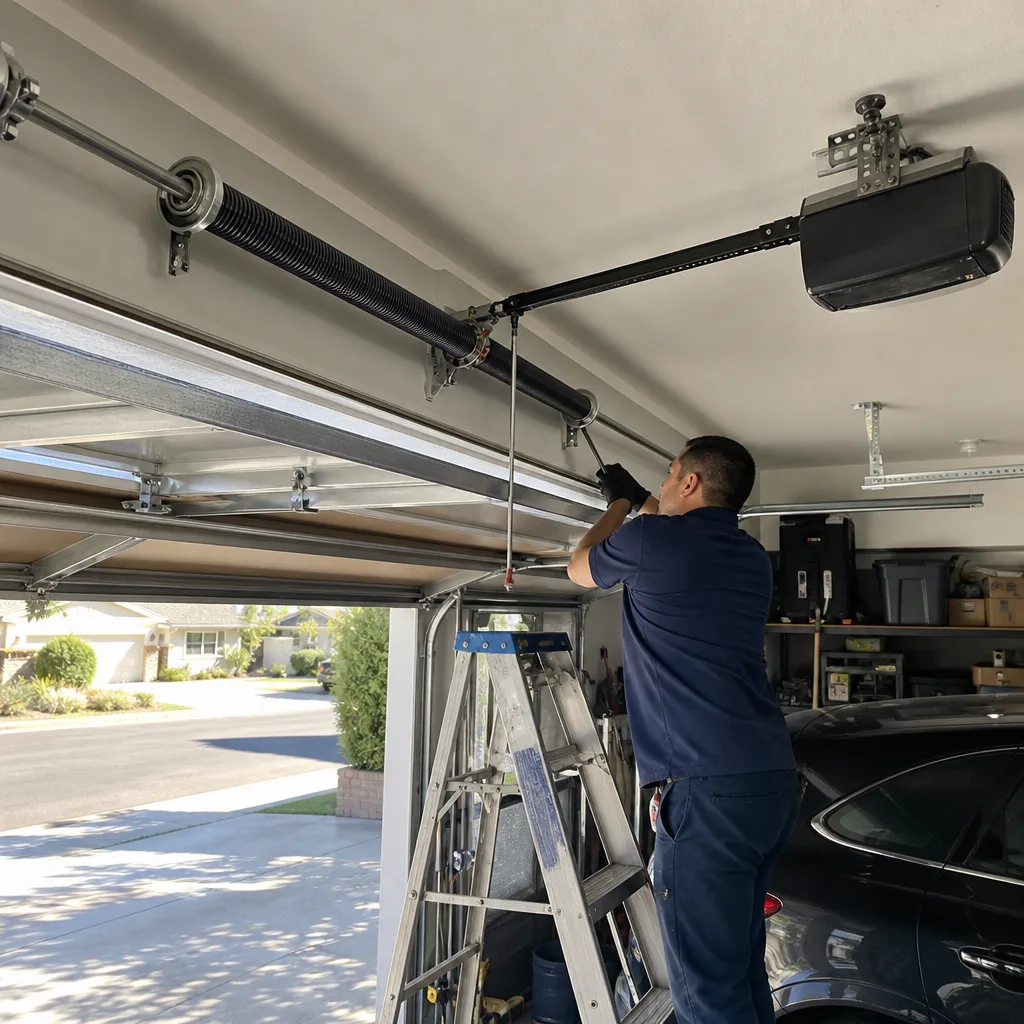
Replacing a torsion spring requires unwinding the broken spring (if any tension remains), removing the spring and cable drums, installing the new springs, and winding them to the precise number of quarter-turns specified for the door’s weight and track radius. The winding procedure alone is where injuries happen. A technician carries two steel winding bars and has done this hundreds of times. More importantly, the service comes with a written guarantee. If a spring we install fails within 365 days, we return at no charge and make it right. That guarantee is in writing, on every repair. It is not a verbal assurance.
2. Garage Door Cable Repair
The lift cables run along both sides of the door, from the bottom brackets up to the cable drums above the door. They are under full tension whenever the springs are wound, even with the door closed. When a cable frays or snaps, the door becomes unbalanced. If one cable remains intact, the intact side takes the entire load, and the door can jam diagonally in the tracks.
Cable replacement requires removing tension from the springs first. On a torsion system, that means unwinding the springs. On an extension system, it means securing the door and releasing the spring load. A homeowner attempting to replace a cable without releasing spring tension first is working on a component that can whip or snap the moment the cable comes free. Most garage door cable repairs in Pasadena run $150 to $275 depending on cable type and drum condition. That includes the written quote, the labor, and the 365-day guarantee. The hospital copay for a cable-related hand injury is often higher, before the door is even fixed.
3. Full Panel Replacement
A single dented panel on a steel door can sometimes be swapped. A full panel replacement, where multiple sections of the door must come off and go back on in sequence, is not a DIY project. The panels are heavy, they are aligned by the track and the hinges, and dropping one mid-removal means a bent track, a damaged panel, or a foot injury. Pasadena homes with wooden carriage-style doors are heavier still, and the weight distribution changes as each panel is removed. A professional team works through this in a controlled sequence.
California Liability: What DIY Can Cost You in Pasadena
There is a second layer to the DIY calculus that most guides skip: your legal exposure. California operates under a comparative negligence standard. If an injury happens on your Pasadena property and a court determines that work you performed yourself contributed to it, you bear a proportional share of the damages. That applies to contractors working in your garage, neighbors helping you on a weekend, and even delivery drivers walking past a door that falls off its track.
A homeowner who replaces a torsion spring without a license is not violating a permit requirement for that specific repair most of the time. But if the spring fails later and injures someone, the question that comes up in a claim is whether a reasonably prudent person would have undertaken that repair. The answer a plaintiff’s attorney will give to that question is not flattering. A licensed garage door company carries general liability coverage and works to a standard that exists to prevent exactly these scenarios.
In Pasadena specifically, many homes sit on narrow lots with shared driveways or detached garages that open onto alleys. A door that fails catastrophically does not just affect your household. It can drop into a shared easement or damage a neighbor’s fence. When work is done by a licensed business, the liability sits with the business and its insurer. When work is done by you, the liability sits with your homeowner’s policy and your deductible.
We are not lawyers, and this is not legal advice. It is a practical framing. In our experience, homeowners who weigh the cost of a $200 cable repair against the potential liability of a failed cable rarely regret calling a professional.
The Real Cost Comparison: DIY vs. a Written Quote
Let’s put honest numbers on the table. Here is the breakdown for a typical cable replacement on a torsion system in Pasadena, comparing a DIY attempt against the written quote from a licensed technician.
| Cost Factor | DIY Cable Replacement | Professional Written Quote |
|---|---|---|
| Parts (cable pair, clips, hardware) | $25 to $45 | Included in labor price |
| Specialty tools (winding bars, cable clamps) | $30 to $60 if buying proper tools | $0 |
| Labor | $0 (but 3 to 6 hours of your time) | $150 to $275 total |
| Risk of injury | Real, quantifiable; emergency visit runs $500 to $3,000 with insurance | Covered by company insurance |
| Cost if the repair fails | Another parts run plus a second repair attempt | $0 for 365 days, in writing |
| Time before door works again | Hours, possibly days if the first attempt fails | Same day in most cases |
The DIY parts cost looks attractive until you add the winding bars you probably do not own and the time you will spend. The gap narrows further when you factor in what a second attempt costs if the first one does not take. Our written quote model eliminates that second-attempt math. The number on our quote is the number on your invoice. We hand it over before any work starts, and you approve it in writing. If the repair fails inside a year, we come back at no charge. That is not a promotion. It is the standard every garage door repair in Pasadena we perform is held to.
Two Scenarios Where DIY Is the Right Call
After all of that, there are two specific situations where doing it yourself is not just acceptable. It is the smart move.
Scenario 1: You Are Waiting for a Technician and Need the Door to Move Manually
When a spring breaks, the door may be stuck closed and your car trapped inside. You should not attempt a spring repair. But you can safely disengage the opener and operate the door manually if the spring has already released its tension and the door’s weight is manageable. Here is the sequence:
- Close the door (if it is still partially open, do not force it downward).
- Pull the red emergency release cord that hangs from the opener rail. This disconnects the door from the motor carriage.
- Lift the door by hand using the bottom handle or the bottom edge. If the door is too heavy to lift with two hands, stop. The spring is still holding tension and the door is not safe to move.
- Once open, if you need to secure it, place locking pliers on the track just below a roller on each side. This prevents the door from sliding closed. Never stand under a garage door that is not secured.
- Call a professional and explain the situation. A live person answers our line at (626) 788-0967 around the clock, including nights and weekends.
This procedure does not fix the door. It gets your car out and prevents you from missing work while you wait for a technician. That is a reasonable, safe DIY action.
Scenario 2: A Photo Eye Sensor Is Clearly Out of Alignment
This is the most common false-alarm service call in Pasadena. The door will not close, the lights flash, and the opener reverses. Nine times out of ten, one of the safety sensors has been bumped by a trash can, a bicycle, or a child. The realignment procedure we described above takes five minutes and costs nothing. If both sensor lights are solid and the problem persists, the issue is upstream, and it is time to call a technician.
Common Mistakes to Avoid
- Using vice grips as winding bars. Vice grips clamp onto the spring cone but can slip without warning. Purpose-built winding bars are solid steel rods that fully seat in the cone. The difference is the difference between a controlled quarter-turn and an uncontrolled release.
- Spraying WD-40 on rollers and springs. WD-40 is a degreaser and rust penetrant. It strips the grease that keeps rollers quiet. Use a silicone or lithium garage door lubricant instead.
- Disconnecting the opener with the door raised. Pulling the release cord while the door is up removes the motor’s hold on the door. If the spring is weak or broken, the door drops free. Always pull the release with the door closed.
- Replacing one spring on a two-spring system. Both torsion springs wear at roughly the same rate. Replacing only the broken one leaves an older spring on the other side, which will fail next, and you will pay for a second service call. Replace them as a pair.
- Trying to straighten a bent track with a hammer. A dented track means the door is dragging and wearing rollers unevenly. Hammering it back leaves micro-dents that still catch the rollers. The track needs to be straightened with proper tooling or replaced.
- Ignoring the balance test. Pull the release cord and lift the door halfway by hand. If it holds at the halfway point, the springs are balanced. If it drops or shoots upward, the springs need adjustment. A door that is out of balance wears out rollers, hinges, and openers prematurely.
- Doing cable work on a door with a wound torsion spring. This is the mistake that sends people to the ER. If you see a cable fraying, do not touch it. The spring is holding the tension that makes that cable dangerous. Call before you touch.
When to Call a Professional
Call a professional when the component in question stores mechanical energy: torsion springs, extension springs, lift cables, and the drums they route through. Call when the door is off its tracks, when a panel is bent to the point of affecting operation, or when the opener motor runs but the door does not move. Call when you have done the safe DIY checks and the problem is still there. Brock Garage Doors Pasadena offers free estimates in Pasadena. We put the price in writing before any work begins, our technicians are background-checked and uniformed, and every repair carries the 365-Day Done Right Promise: if it fails within a year, we return at no charge. That is the standard we agreed to work to as part of the Garrison Partners network, and it is the standard your repair gets. Call (626) 788-0967.
Frequently Asked Questions
Yes, a small set. Lubrication, bottom seal replacement, track cleaning, sensor realignment, and remote battery changes are all safe DIY tasks that do not require disassembling anything under tension (our Garage Door Repair Maintenance Checklist for Pasadena Homeowners covers each step). Everything involving springs, cables, drums, or panels should be left to a trained technician.
Most cable repairs in Pasadena run $150 to $275 depending on the cable type, drum condition, and whether the door is torsion or extension sprung. A written quote is provided before any work starts, and the repair is covered in writing for 365 days. Call (626) 788-0967 for a free estimate.
The spring releases its stored energy instantly. Best case, you drop a winding bar and it dents the garage wall. Worst case, the bar strikes a hand, face, or body part and causes a serious injury. None of those outcomes are worth the $150 to $300 a professional spring replacement costs in Pasadena.
Not at Brock Garage Doors Pasadena. The price you approve in writing before any work starts is the price you pay. There are no surprise line items added after the fact. That written-price policy is part of The Garrison Standard and applies to every repair we perform.
A live person answers our line at (626) 788-0967 24 hours a day, seven days a week, including holidays. For broken springs and cable failures, same-day dispatch is available in most Pasadena neighborhoods. Tell us what you are seeing and we will give you an honest arrival window.
Our technicians are trained to service LiftMaster, Chamberlain, Genie, Clopay, Amarr, Wayne Dalton, Craftsman, and Raynor systems. If your opener or door is one of those brands, we know the specific components and failure patterns. If you are not sure what brand you have, we can identify it on arrival and quote accordingly.
The Bottom Line
The DIY vs. professional question comes down to energy, not ego. When the component stores kinetic energy, you call a professional and you pay the written quote. When the component is a wear item you can see and reach safely, you do it yourself and you save the service call. Pasadena homeowners who follow that line spend less on repairs over the life of the door and avoid the emergency room entirely. For everything under tension, the number is (626) 788-0967. A live person answers. The price is in writing before the work starts. And the guarantee is in writing for a full year after it is done.
Contact Brock Garage Doors Pasadena
If your garage door is making noise, moving unevenly, or refusing to open, call (626) 788-0967 for a free estimate. We provide garage door opener repair in Pasadena and work on every major brand, including LiftMaster, Chamberlain, and Genie. A live person answers around the clock, the price is in writing before any work starts, and every repair is covered by the 365-Day Done Right Promise. Independent, locally operated, and held to The Garrison Standard.
Written by Wade Mercer, Owner at Brock Garage Doors Pasadena, serving Pasadena since 2001.
See the difference
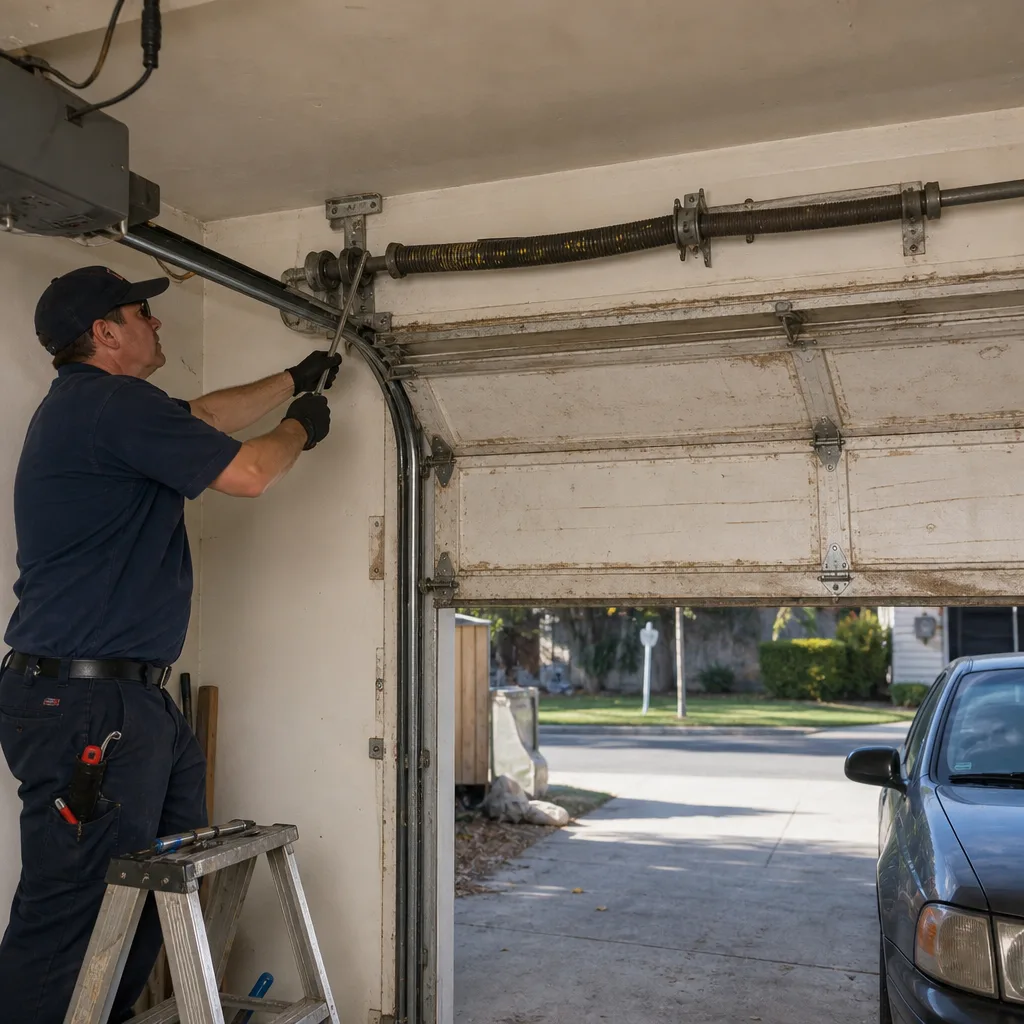 Before
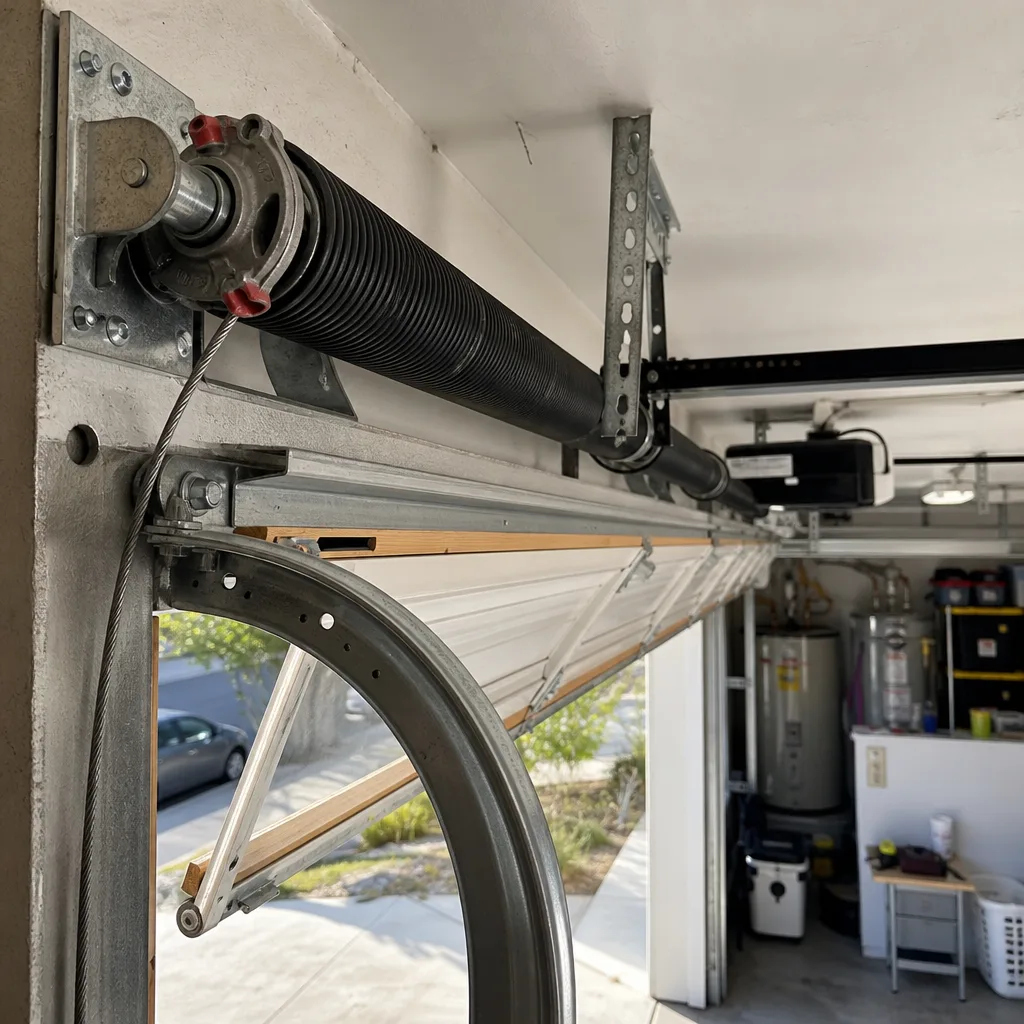 After
After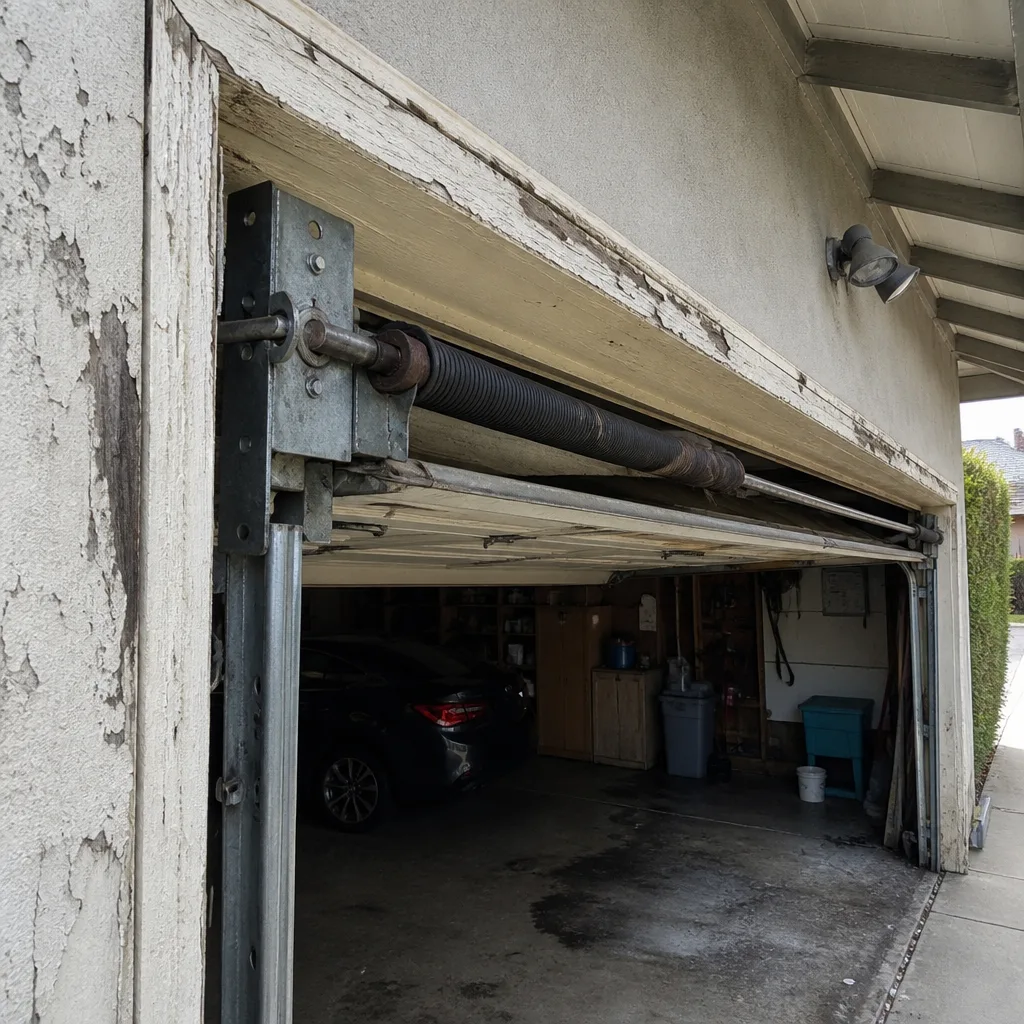 Before
 After
After Before
 After
After