
Last updated October 16, 2026
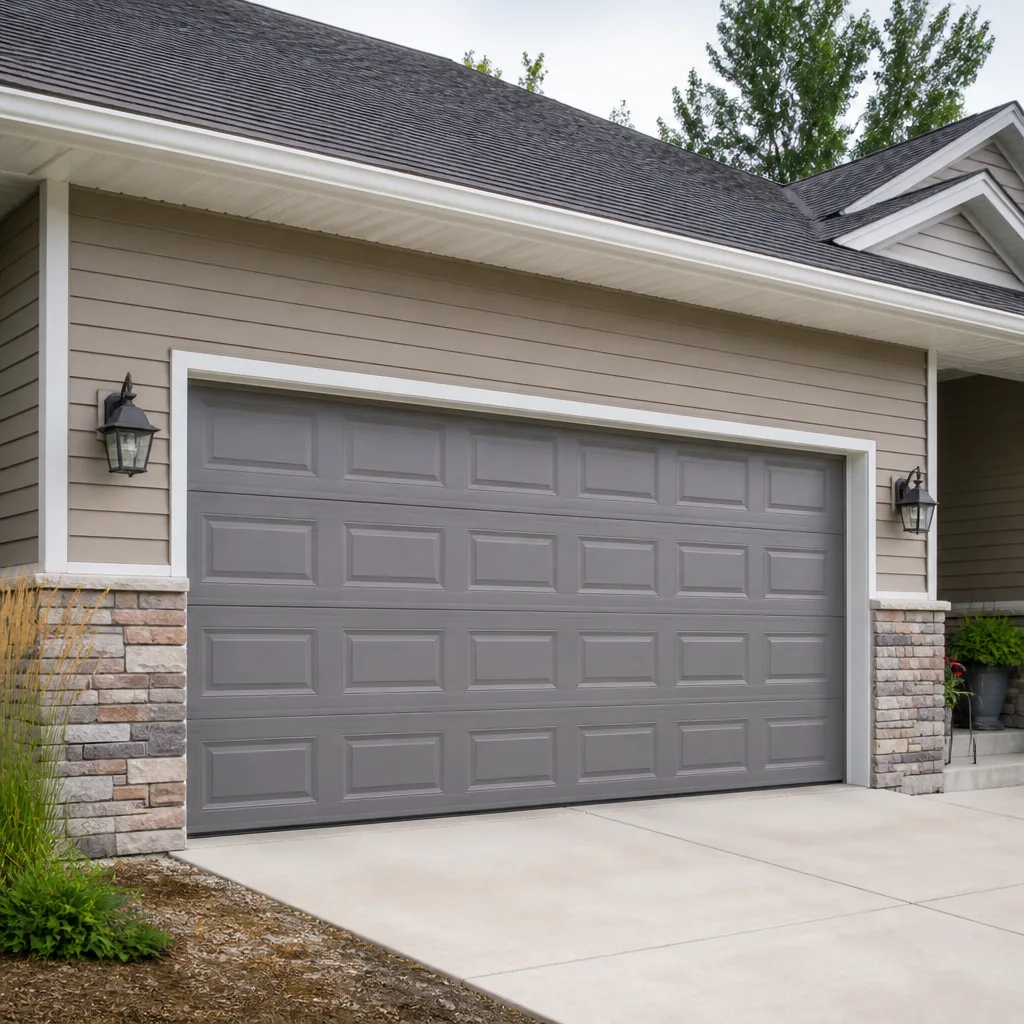 Raised-panel steel
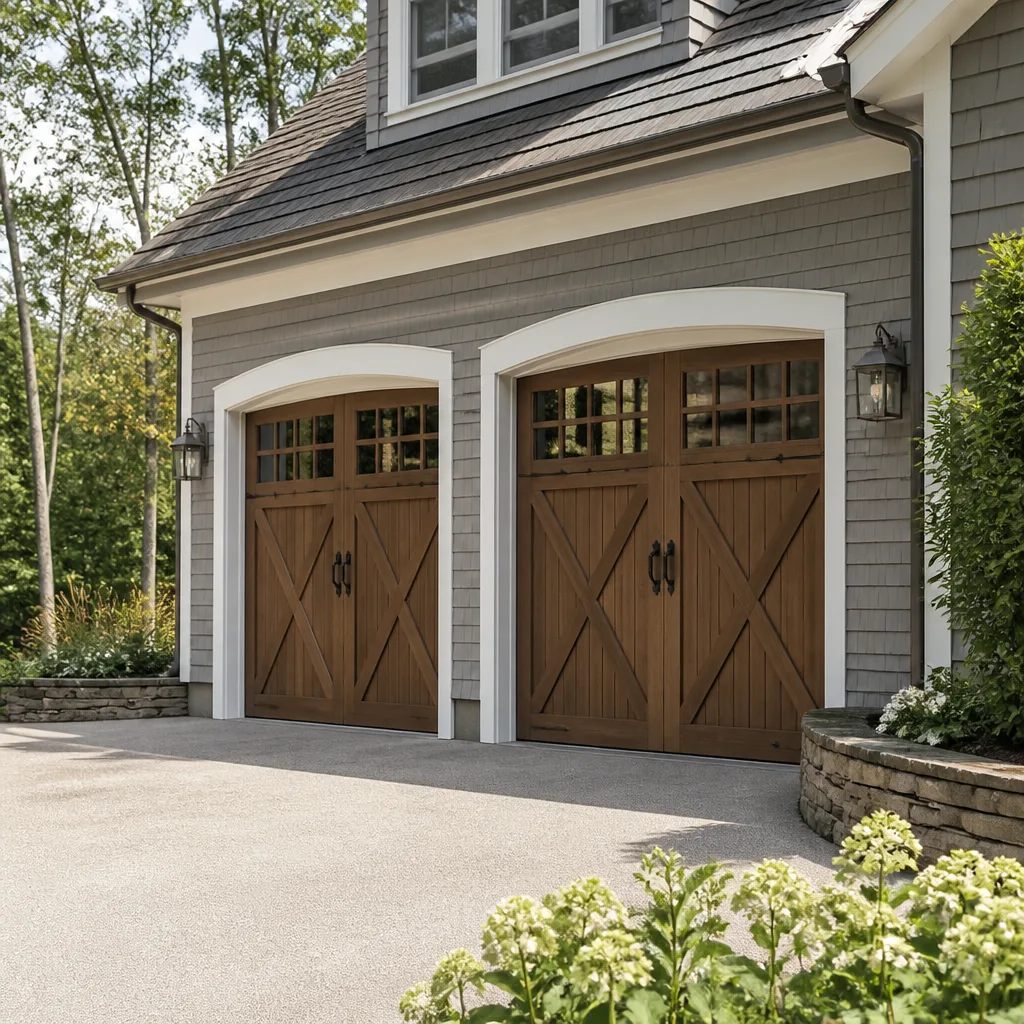 Carriage house
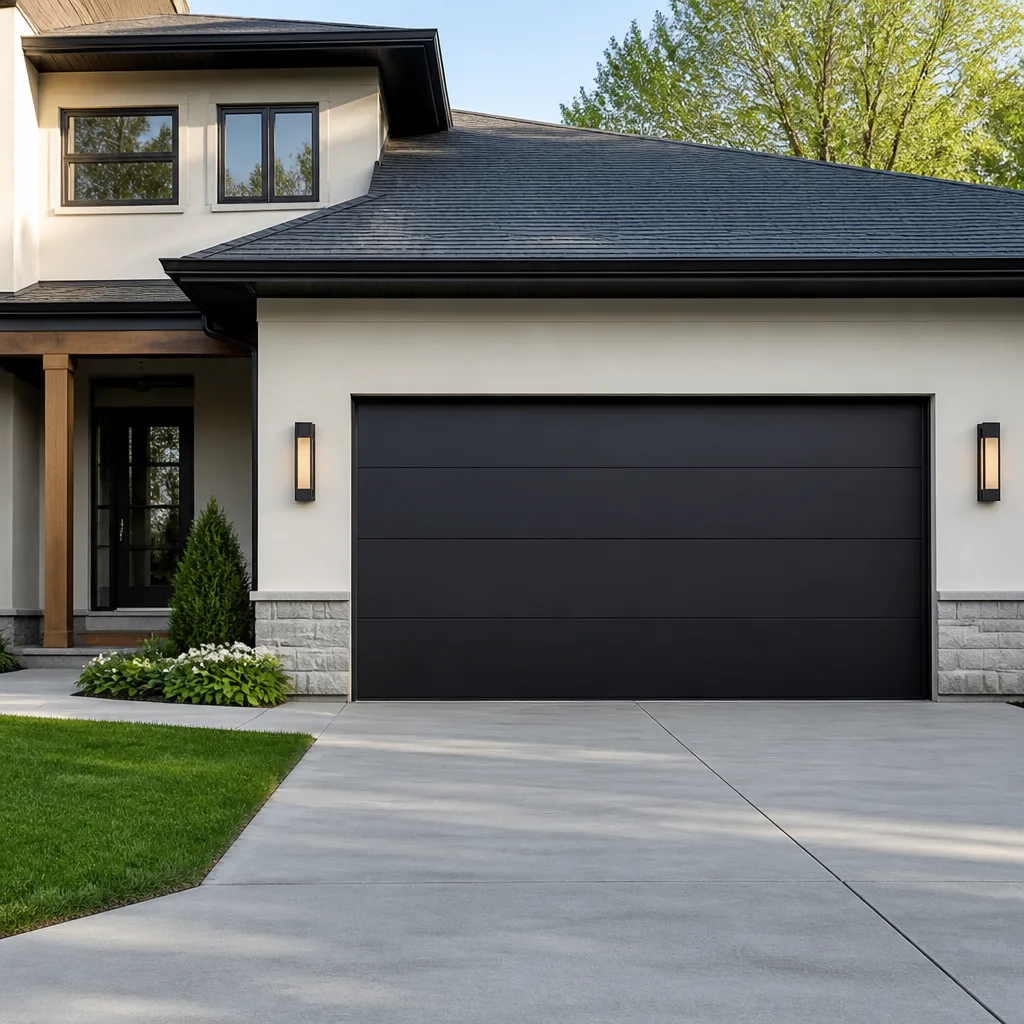 Modern flush
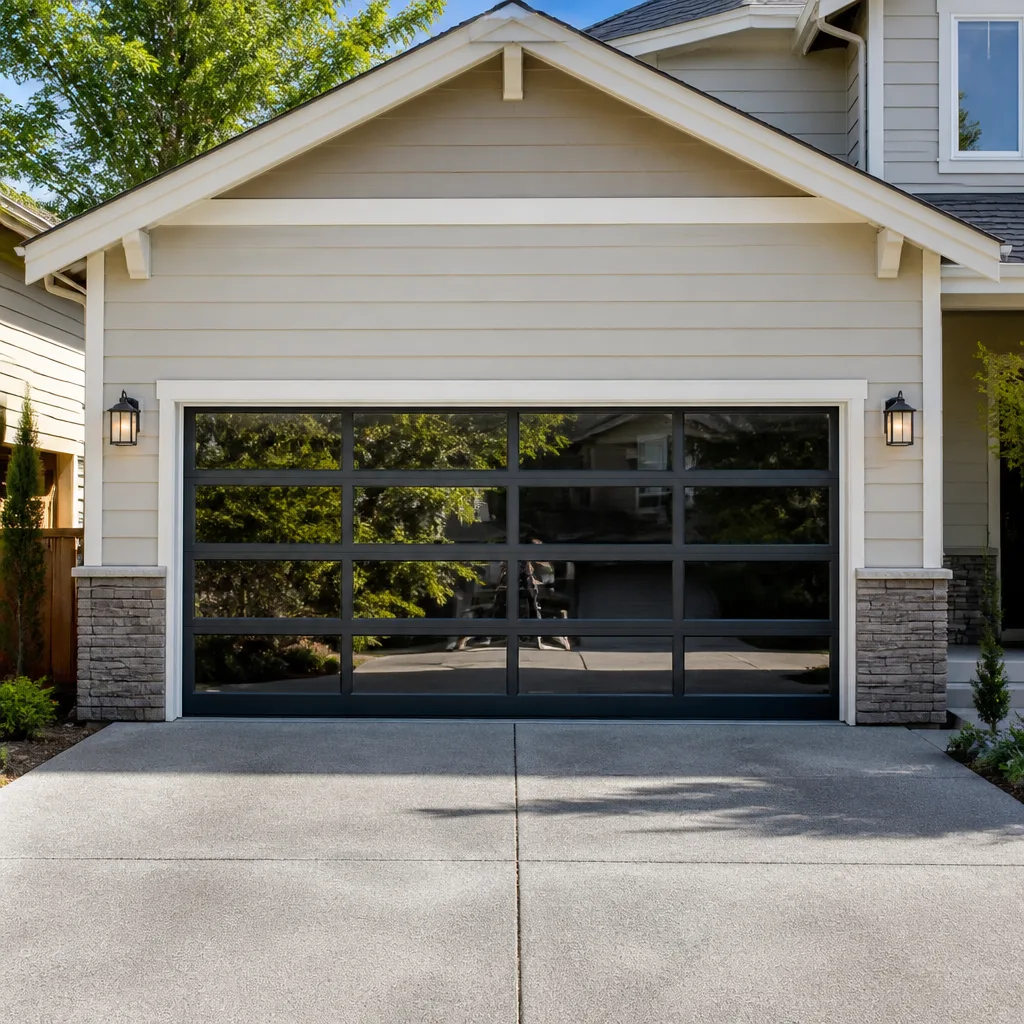 Full-view glass
 LiftMaster openers
 Chamberlain openers
Full 25-point door and opener safety check with every visit - springs, cables, rollers, tracks, and your LiftMaster or Chamberlain opener included
You get a price before we start. It does not change when the truck arrives.
Get your free estimateThe Complete Guide to Garage Door in Pasadena
Pasadena has more pre-1960 homes than most of Los Angeles County. Walk through Bungalow Heaven, Madison Heights, or the Langham District and you’ll see it: garage openings that are narrower, taller, or shallower than anything built in the last forty years. That matters because a garage door that fits a 2005 tract house in Rancho Cucamonga will often bind mechanically or look architecturally wrong on a 1928 Craftsman in Pasadena. Most online guides ignore this entirely. This one won’t. You’ll learn how Pasadena’s housing stock, climate, and contractor landscape shape every garage door decision you make, and what to require before anyone touches your door.
Quick Answer
A garage door guide for Pasadena has to address three things most generic guides skip: non-standard opening sizes in pre-war homes, accelerated wear from Santa Ana winds and wildfire ash, and a contractor market where verbal estimates are the default. The right door for a Pasadena home depends on your home’s vintage, the opening’s actual measurements, and the hardware already in place. Before any work starts, get a written estimate that itemizes parts, labor, disposal, and warranty terms in plain English, and confirm the repair is backed in writing for at least a full year.
Styles & brands we work with
Table of Contents
- Why Pasadena’s Housing Stock Changes Everything
- Sectional, Carriage-House, and Tilt-Up: Which Door Works Where
- How Santa Ana Winds and Wildfire Ash Accelerate Wear
- What a Written Estimate Must Itemize in Pasadena
- What Garage Door Work Costs in Pasadena
- How to Choose a Contractor in Pasadena
- Seasonal Maintenance for Pasadena’s Climate
- Common Mistakes to Avoid
- When to Call a Professional
- Frequently Asked Questions
Why Pasadena’s Housing Stock Changes Everything
Pasadena’s building boom happened between 1900 and 1940, and it left behind a specific problem for garage door work: the openings were framed before standardized door sizes became the norm. We regularly measure openings in Pasadena homes that are 7 feet 6 inches wide instead of the modern 8 feet, or 6 feet 6 inches tall instead of 7 feet. A homeowner who orders a standard door online will discover this the hard way.
What happens with a non-standard opening? Three things, usually:
- The door binds on the tracks. A panel designed for an 8-foot opening gets squeezed into a 7-foot-6 frame, and the rollers start fighting the track. You hear grinding on every cycle.
- The spring is under- or over-wound. Garage door springs are calibrated to the exact weight of the door. Change the panel size, change the door weight, and a spring spec from the factory manual no longer applies.
- The weather seal fails. Pre-war openings often have settled framing. A generic bottom seal leaves a gap, and Pasadena’s summer heat plus occasional winter rain finds it.
The fix is always the same: measure first, order after. A reputable contractor takes exact measurements of the opening, the headroom, and the side room before recommending any door. That’s standard practice at our shop, and it’s the kind of thing The Garrison Standard requires on every job we run in Pasadena. If a company quotes a price over the phone without asking about your home’s vintage, hang up and call someone else.
Pasadena also has strict architectural guidelines in several historic districts. If your home sits in a designated landmark district, exterior changes to a garage door may require design review. The Craftsman bungalow on one street and the Spanish Colonial Revival on the next don’t take the same door style. Carriage-house doors with recessed panels and wrought-iron hardware look right on a Craftsman. A smooth, flush-panel sectional looks appropriate on a mid-century modern in the San Rafael Hills. Getting this wrong doesn’t just hurt curb appeal; it can complicate a resale.
Sectional, Carriage-House, and Tilt-Up: Which Door Works Where
Three main door types show up in Pasadena garages: sectional, carriage-house, and one-piece tilt-up. Each has a different mechanical behavior, and each makes sense in different homes.
Sectional Doors
Sectional doors are the most common door type in modern Pasadena construction and in retrofits of older homes. These are the doors made of three to eight horizontal panels that ride up on rollers and follow curved tracks into the ceiling. They require headroom and side room, which some of Pasadena’s shallow 1920s garages lack.
If a pre-war garage has low headroom, a standard sectional may not fit without a low-headroom track kit. Those kits change the track geometry and usually require different springs and cables as well. It’s a fix we’ve done throughout Bungalow Heaven and the Garfield Heights area. The result is a door that operates smoothly even in a garage with only 10 inches of headroom, which standard track won’t do.
Carriage-House Doors
Carriage-house doors are the style choice for Pasadena’s Craftsman, Tudor, and Mediterranean homes. These can be sectional doors styled with recessed panels, crossbucks, and decorative hinges to look like swing-out barn doors, while still operating as overhead doors. They preserve the architectural character of a 1918 bungalow without giving up the convenience of an opener.
The mechanical internals are the same as a sectional. What changes is the panel face, the hardware accents, and usually the price. A quality carriage-house door in Pasadena, installed, typically runs $1,500 to $3,000 depending on insulation, window inserts, and hardware. Clopay and Amarr both make carriage-house lines in composite and steel. Composite panels handle the sun better than solid wood, which warps in Pasadena’s hot, dry summers.
One-Piece Tilt-Up Doors
One-piece tilt-up doors are the original garage doors, and many still swing up on iron strap hinges in Pasadena’s oldest garages. They pivot on side hinges and swing outward before sliding into the ceiling. They require a massive horizontal spring on each side, or a single heavy spring across the header.
The problem with tilt-up doors is physics. The door’s full weight sits on those springs every time it opens, and when a spring breaks under tension, it releases stored energy violently. We never recommend a homeowner attempt a tilt-up spring or hinge repair. Some Pasadena homeowners convert to sectional doors, which is the right call if the garage is deep enough and the existing opening is in good shape. The conversion usually runs $1,800 to $3,200 depending on opening size and framing condition.
How Santa Ana Winds and Wildfire Ash Accelerate Wear
Pasadena sits in a specific weather pattern, and it changes how garage door components age. The Santa Ana winds that blow down through the San Gabriel Mountains in fall and winter carry fine dust and ash from wildfire season. That particulate doesn’t just settle on your car. It works its way into garage door tracks, rollers, hinges, and spring coils.
Here’s what we see in Pasadena homes after a bad fire season:
- Track wear from abrasive dust. Rollers coated in fine ash grind against the track. You hear a gritty, scraping sound on every cycle. Over time, the track wears unevenly, and the door starts to bind.
- Spring fatigue from temperature swings. Pasadena’s daytime highs in summer and cool overnight lows put repeated thermal stress on torsion springs. A spring rated for 10,000 cycles may fail at 6,000 in Pasadena’s climate. That shortens the effective lifespan to roughly seven to eight years instead of ten to twelve.
- Cable corrosion from ash chemistry. Wildfire ash is slightly alkaline. When it combines with coastal moisture in the air, it can accelerate rust on galvanized cables. We’ve replaced cables in Pasadena garages that were only five years old but looked ten years old because they’d never been cleaned. Most garage door cable repair calls in Pasadena involve either fraying from rust or a sudden break from wear at the drum.
- Opener sensor interference from dust. Safety sensors near the floor get coated in fine dust during Santa Ana events, causing the door to reverse mid-cycle for no obvious reason. A simple cleaning usually fixes it, but many homeowners assume the opener is failing and call for a garage door opener repair in Pasadena that turns out to be basic maintenance.
Manufacturers’ maintenance intervals assume a mild climate. Pasadena’s reality is harsher. Our recommendation: inspect tracks, springs, and cables twice a year, once before fire season and once after the first Santa Ana event of fall. Ten minutes of inspection catches most failures before they strand you.
What a Written Estimate Must Itemize in Pasadena
California law doesn’t require a contractor to hand you a written estimate for repair work under $750, but you should require it anyway. A verbal quote commits the contractor to nothing. The price can change at the door, and you have no record of what was promised. In Pasadena’s contractor market, that’s not a hypothetical; it’s common.
A useful written estimate itemizes five things:
- Parts with brand names. If the quote says “spring” without specifying torsion vs. extension, brand, and gauge, it’s incomplete. A spring for a Chamberlain opener system is not interchangeable with one spec’d for a Genie. The estimate should name the part.
- Labor with a firm number. Labor must be a fixed dollar amount, not an hourly rate with an open-ended time estimate. “Will take about three hours at $120/hour” is not a quote; it’s a guess.
- Disposal and cleanup. Old doors, springs, and cable reels have to go somewhere. If disposal isn’t itemized, expect a surprise line item or a pile of scrap metal left in your driveway.
- Warranty terms in writing. “We guarantee our work” means nothing unless it’s written down with a duration. One year is the minimum you should accept for parts and labor on any repair in Pasadena. The Garrison Standard requires a 365-Day Done Right Promise on every job, and we put it in writing on the estimate itself before a single bolt is turned.
- The total, with tax. The number on the invoice should match the number you approved. If it doesn’t, the contractor failed.
Before any work begins at your Pasadena home, the written price should be in your hand. That’s how we operate, and it’s the standard every homeowner should hold a contractor to. The initial quote from Brock Garage Doors Pasadena home is exactly what you pay when the work is done.
What Garage Door Work Costs in Pasadena
Prices in Pasadena trend slightly higher than the Inland Empire and slightly lower than the Westside. Here’s a realistic range guide, based on what we see across Pasadena’s residential market.
- Garage door spring replacement: $180 to $340 for a torsion spring, depending on spring size and cycle rating. Double-door springs run higher. Ask for a spring rated at 20,000 cycles or more if the door gets daily use.
- Garage door cable replacement: $150 to $275 per cable, depending on cable length and drum condition. If the drum is worn or scored, replace it at the same time; a new cable on a bad drum fails early.
- Garage door opener replacement: $350 to $750 including labor. Chamberlain and Genie openers dominate in Pasadena, and chain-drive units cost less than belt-drive. Belt-drive is quieter, which matters if the garage sits below a bedroom in a 1930s two-story.
- Full garage door replacement: $1,200 to $3,500 installed, depending on door type, material, size, and whether the opening is standard. Non-standard pre-war openings push that toward the high end because panels are custom-ordered and tracks are field-fit.
- Track repair or realignment: $150 to $300. Includes shimming, re-drilling where necessary, and re-setting roller alignment.
- Panel replacement: $250 to $700 per panel. This only makes sense for newer doors where matching panels are still available. For a 20-year-old door, a full replacement is often the better dollar decision.
These are the numbers you need to self-screen before calling a contractor. If a quote comes in dramatically below these ranges, be suspicious. Cheap springs are cheap for a reason; they’re rated for fewer cycles and built from thinner wire. In Pasadena’s climate, that’s a two-year part, not a seven-year one.
For a full breakdown of repair-specific pricing, see our Garage Door Repair in Pasadena page. For opener-specific numbers, visit Garage Door Opener Repair in Pasadena.
How to Choose a Contractor in Pasadena
Most Pasadena homeowners don’t have a garage door contractor on speed dial until something breaks. That means the first call usually goes to whoever shows up first in a search. Here’s a five-step checklist to run before you let anyone touch a door.
- Ask for the written price before work starts. If they can’t put a firm number on paper before picking up a tool, that’s a red flag. The estimate should itemize everything we covered above.
- Ask about the warranty in writing. A one-year guarantee in writing is the benchmark. If the contractor won’t put it in writing, he’s telling you he expects his work to fail inside a year. The Garrison Standard’s 365-Day Done Right Promise exists because Pasadena homeowners got tired of verbal assurances that disappeared with the truck.
- Ask who’s coming to the door. A background-checked, uniformed technician tells you the company has a hiring and accountability standard. If they won’t tell you the technician’s name before arrival, that’s not a professionalism problem; that’s a safety problem. Every technician we send in Pasadena has passed a background check and wears a uniform.
- Ask about brand training. A technician who has only touched one brand of opener will apply generic fixes to whatever is on your ceiling. We train our team on LiftMaster, Chamberlain, Genie, Clopay, Amarr, and Wayne Dalton systems, because Pasadena garages hold every brand made in the last 40 years.
- Confirm live-answer availability. When a spring breaks at 7:00 p.m. on a Sunday, you don’t want a voicemail. A real person should pick up the phone 24 hours a day, including holidays. That’s how a local operation should run.
Seasonal Maintenance for Pasadena’s Climate
Pasadena’s climate isn’t harsh, but it’s abrasive. Here’s a seasonal maintenance routine that accounts for the specific pressures of this area.
After the First Santa Ana Event (October to November)
- Wipe down tracks and rollers with a dry cloth. Remove the fine grit that will otherwise grind against the metal.
- Test the auto-reverse function by placing a piece of 2×4 under the door while it closes. The door should reverse within two seconds. If it doesn’t, the sensors or the force settings need attention.
- Check cables for rust bloom. Look for small brown spots near the bottom of each cable. Rust there means the cable is already compromised.
Mid-Summer Heat Check (July)
- Open and close the door by hand using the emergency release. It should move smoothly with about 20 to 30 pounds of resistance. If it’s heavy, the spring is losing tension.
- Check the weather seal along the bottom. Pasadena’s summer heat hardens rubber seals, and a hardened seal leaves a gap for rodents and dust.
- Lubricate rollers, hinges, and the torsion spring with a silicone-based lubricant. Do not use WD-40; it’s a solvent, not a lubricant, and it will strip the existing lubrication.
If the door feels heavy, makes a grinding sound, or shudders on the way up, don’t ignore it. Most garage door repairs in Pasadena that start as small problems become large ones within about three weeks.
Common Mistakes to Avoid
- Trusting a verbal estimate. In Pasadena’s market, a verbal quote is a placeholder. If it isn’t written and itemized, it isn’t real.
- Ordering a standard door for an older home without measuring. Pre-war openings in Pasadena are often off by inches in every direction. Those inches become binding doors and failed springs.
- Replacing only the spring when the cable is also showing wear. Springs and cables wear together. Replace one without inspecting the other, and you’ll pay for a second service call within months.
- Ignoring a heavy door. If the door feels like it weighs 150 pounds when you try to lift it manually, the spring is failing. A failing spring will break, and it will break when the door is open in 90% of cases, which is the most dangerous moment.
- Using the wrong lubricant. WD-40 and general-purpose penetrating oils strip the existing lubrication from rollers and springs. The correct product is silicone-based garage door lubricant.
- Skipping the auto-reverse test. The auto-reverse mechanism is a safety device mandated for a reason. Test it quarterly. If it fails, call for a professional inspection immediately.
- Accepting a warranty that isn’t written down. A one-year guarantee in writing is non-negotiable. If the contractor won’t write it, find one who will.
When to Call a Professional
Some jobs are simple, and some are dangerous. Call a professional under any of these circumstances: the spring is broken (never attempt a spring repair yourself; a torsion spring under tension stores enough energy to cause serious injury or death if it releases unexpectedly), the door comes off its track, the cables are frayed or snapped, the opener reverses mid-cycle after cleaning the sensors, or the door feels unusually heavy. A heavy door means a failing spring, and a failing spring is an emergency in waiting. Brock Garage Doors Pasadena offers free estimates in Pasadena. Call (626) 788-0967 and a real person will answer, day or night.
Frequently Asked Questions
In Pasadena, expect to pay $1,200 to $3,500 for a full garage door replacement, depending on door type, material, size, and whether the opening is standard. Older Pasadena homes with non-standard openings typically land at the higher end because the panels are custom-ordered and the tracks are field-fit. Call (626) 788-0967 for an exact quote. Our estimates are free, written, and itemized before any work begins.
Yes, several Pasadena historic districts require design review for exterior changes, including garage doors. If your home is in a designated landmark district, check with the city’s Planning Department before ordering a door. Carriage-house style doors are a common choice for Craftsman and Spanish Colonial homes because they satisfy both aesthetic guidelines and modern opener requirements.
In Pasadena’s climate, torsion springs last roughly seven to eight years on a standard 10,000-cycle spring, because heat and wildfire-season particulate accelerate wear. If your door cycles more than twice a day, that lifespan shrinks. Ask for a spring rated at 20,000 cycles or more when replacing. Expect to pay $180 to $340 for a torsion spring replacement in Pasadena.
Yes. A live person answers our phone 24 hours a day, seven days a week, including holidays, and most spring and cable repairs can be completed the same day in Pasadena. The price is written and agreed before any work starts, so the number on the invoice matches the number you approved. Call (626) 788-0967.
Not with us. The written price you receive before work begins is the price you pay when the job is done, and we put that in writing on every estimate. If a contractor gives you a verbal number and then changes it at the door, that’s a failure of process, not an honest re-assessment. The Garrison Standard requires a written, itemized price before a single bolt turns.
Yes. Our Pasadena service vehicles stock torsion and extension springs in multiple gauges, cables, rollers, hinges, sensors, and common opener components across brands like Chamberlain, Genie, LiftMaster, and Wayne Dalton. That means most repairs are completed in one visit. If a rare part requires ordering, we’ll tell you on the spot and schedule the return visit before we leave.
The Bottom Line
A garage door in Pasadena isn’t a generic purchase. It’s a hardware decision that must account for non-standard openings in pre-war homes, accelerated wear from Santa Ana winds and wildfire ash, and a contractor market where written estimates are not yet the default. Measure before ordering. Demand a written, itemized price before work starts. Insist on a one-year guarantee in writing. If you’re not sure what your garage needs, call (626) 788-0967 and a real person will help you sort it out. We’ve served Pasadena under The Garrison Standard since 2001, and we put every promise in writing before the work begins.
Written by Wade Mercer, Owner at Brock Garage Doors Pasadena, serving Pasadena since 2001.
See the difference
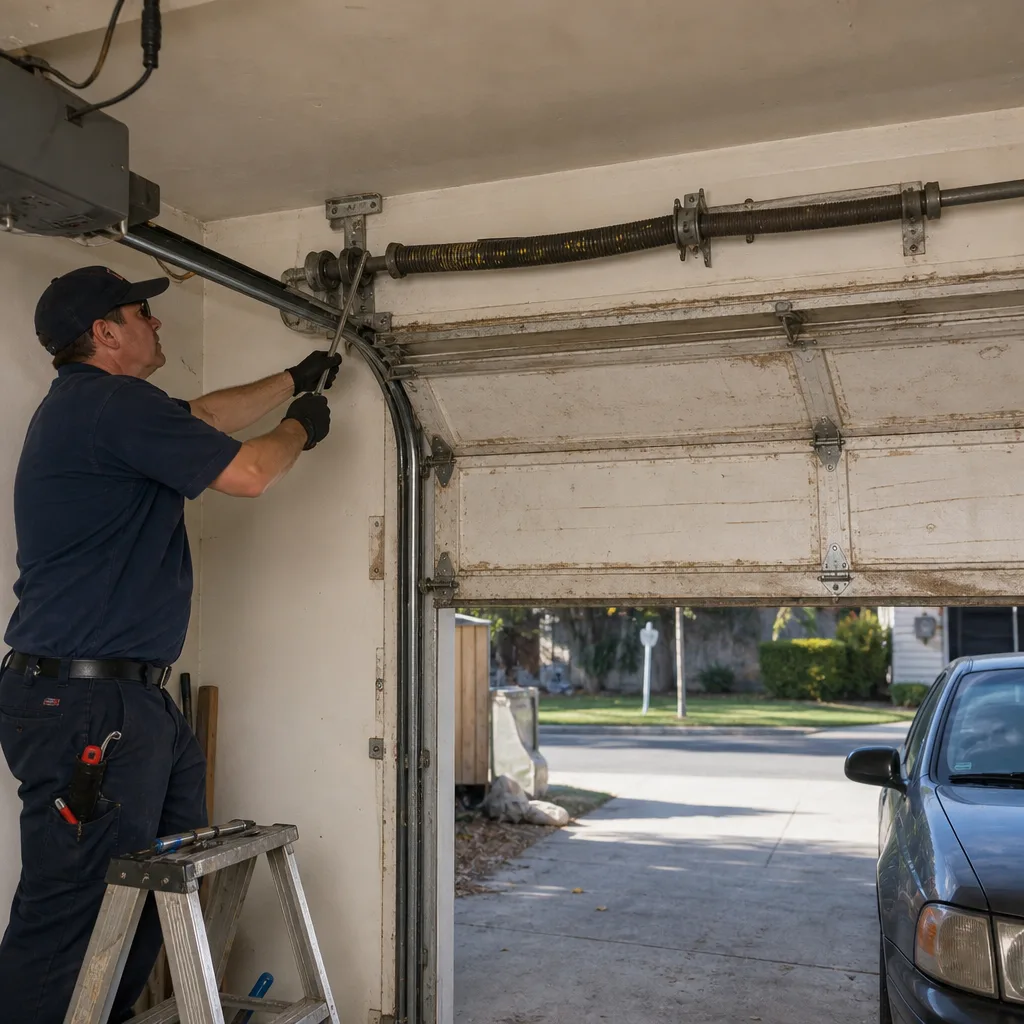 Before
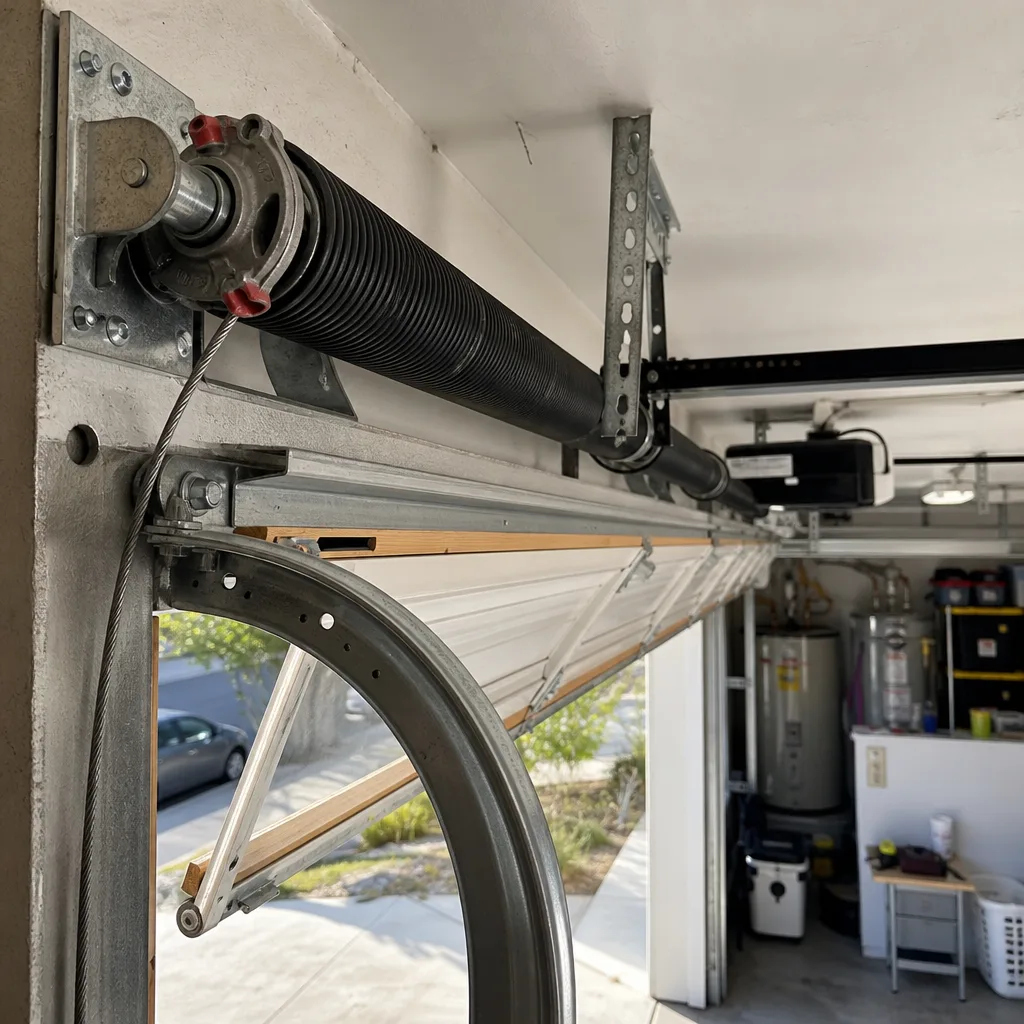 After
After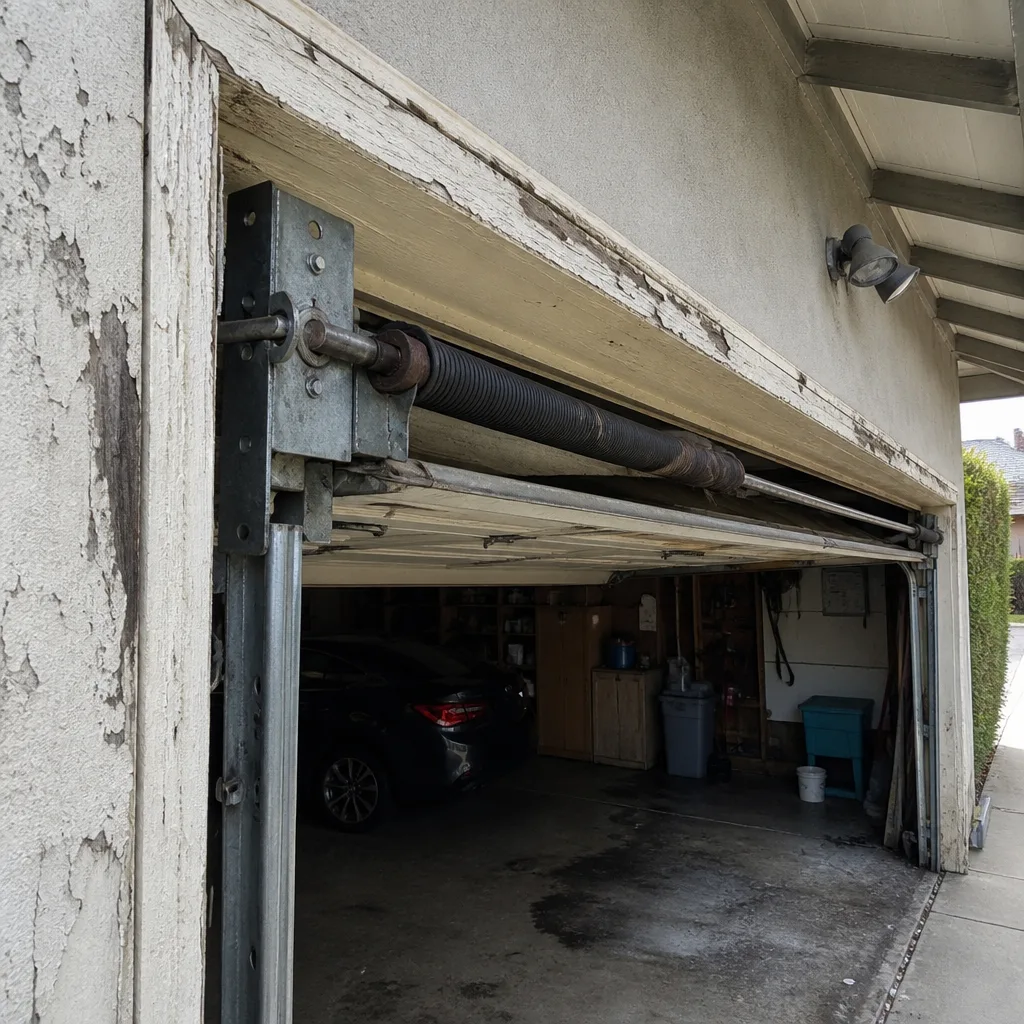 Before
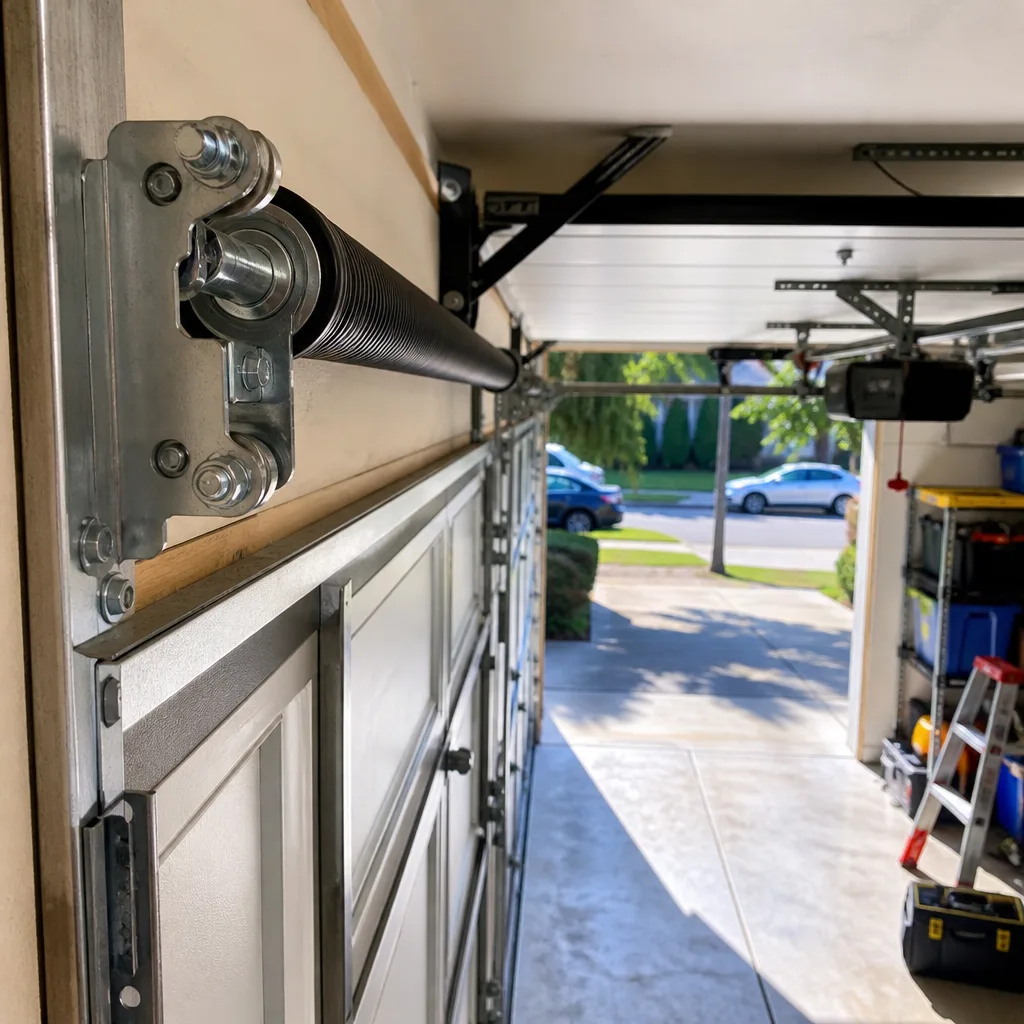 After
After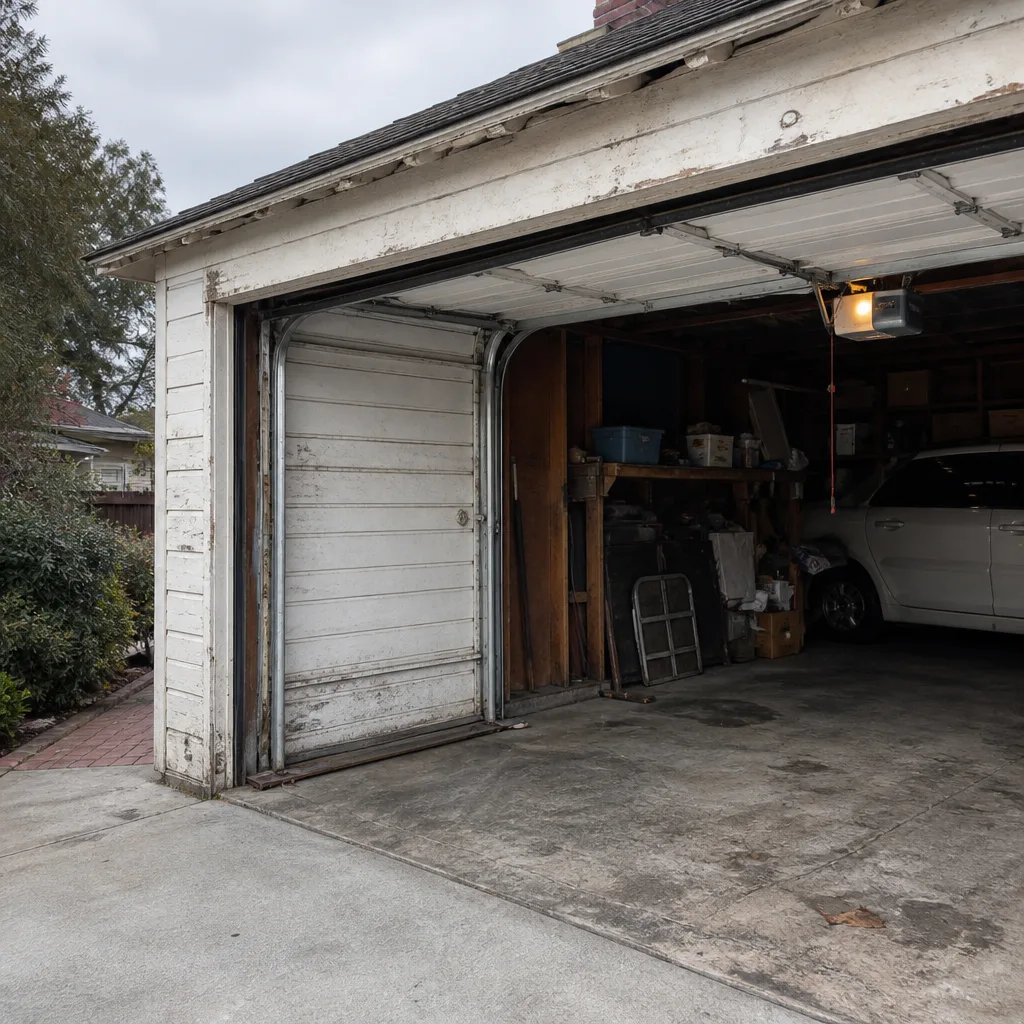 Before
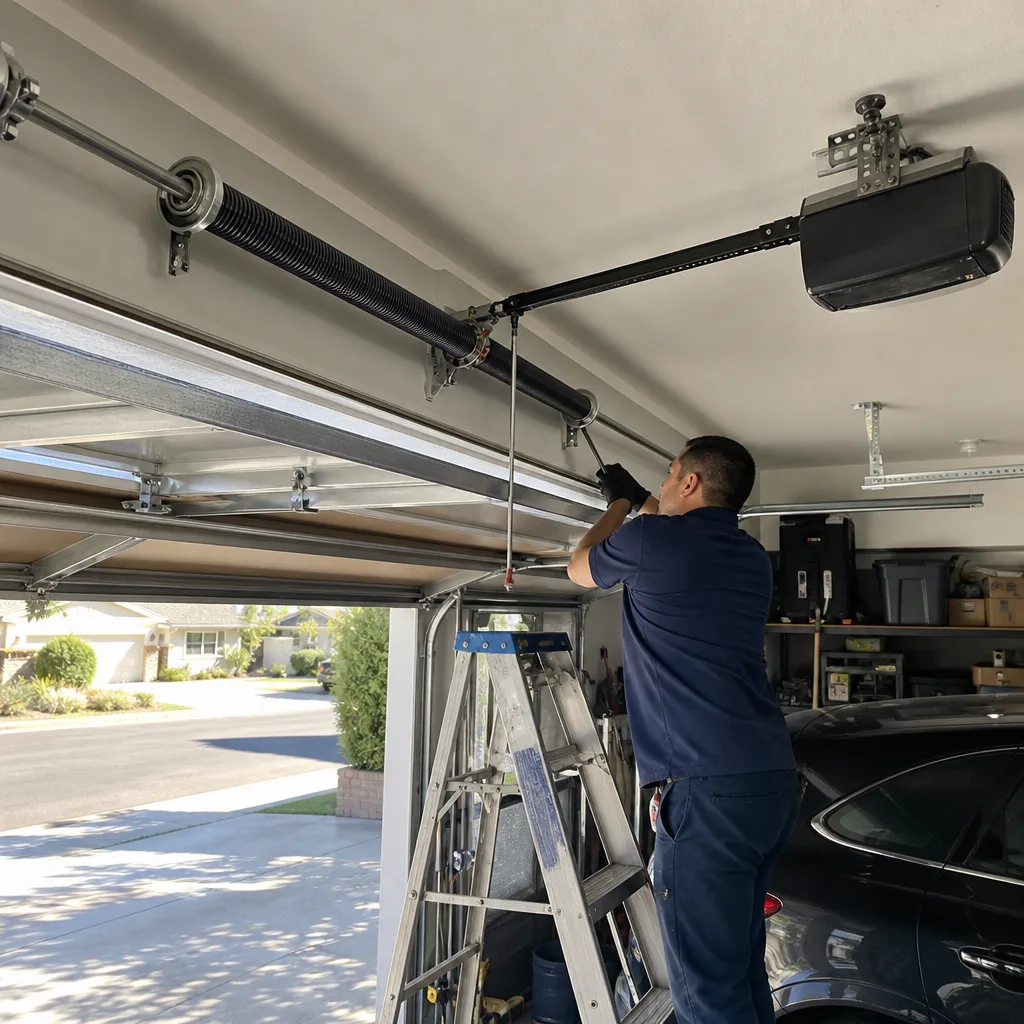 After
After