
Last updated October 16, 2026
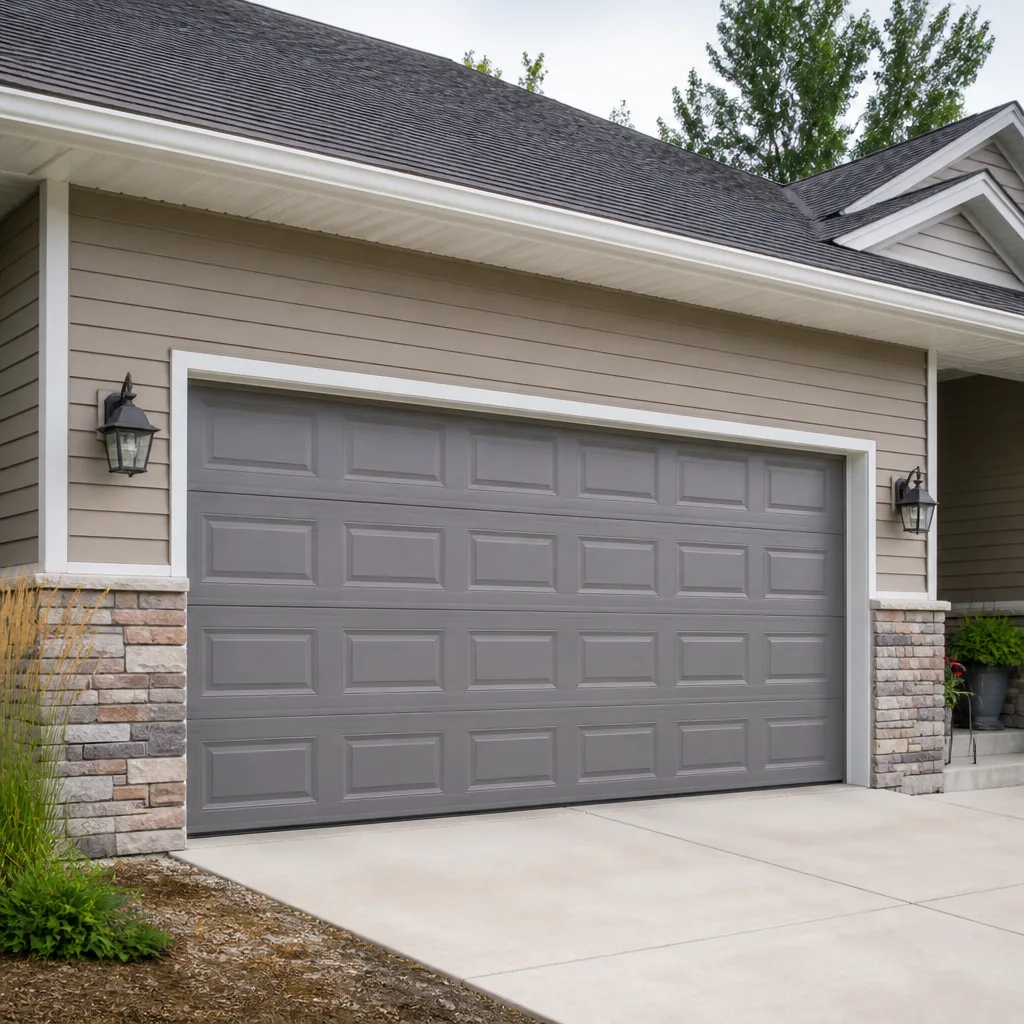 Raised-panel steel
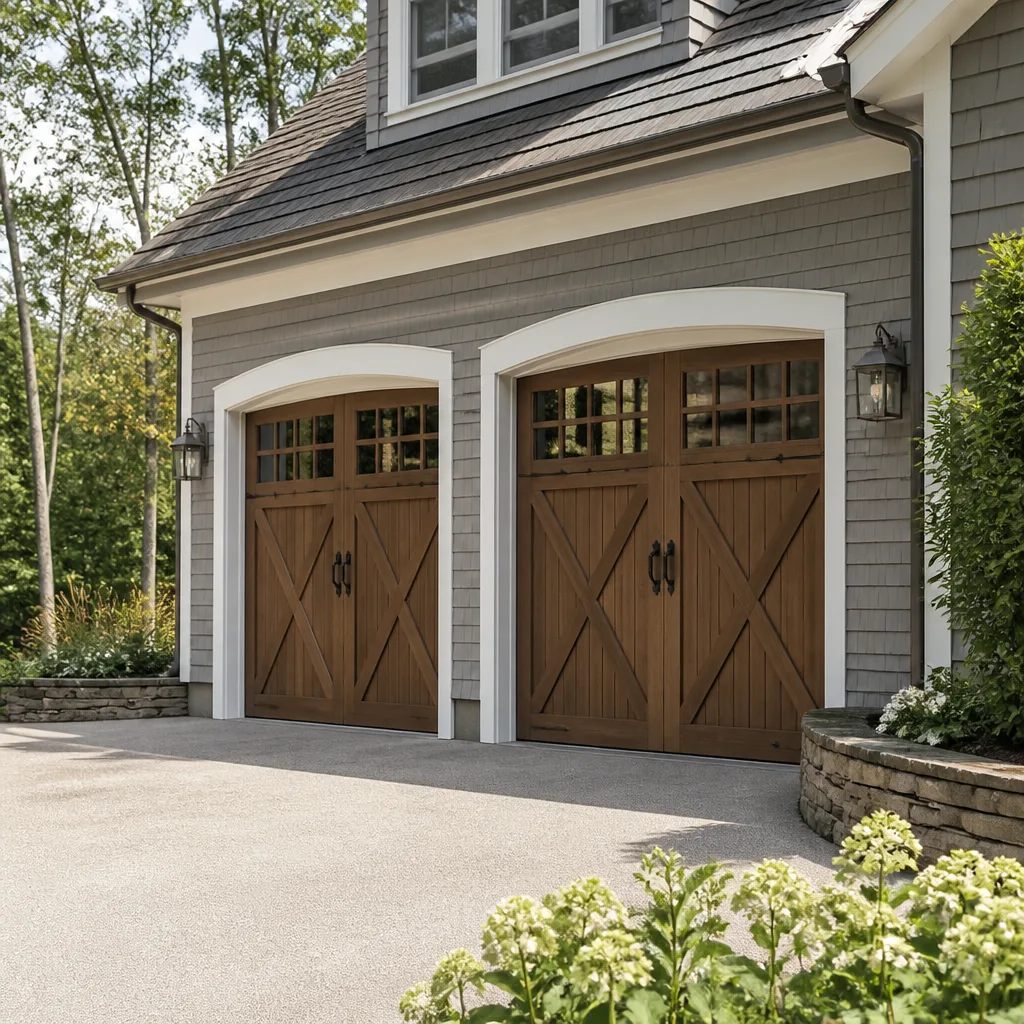 Carriage house
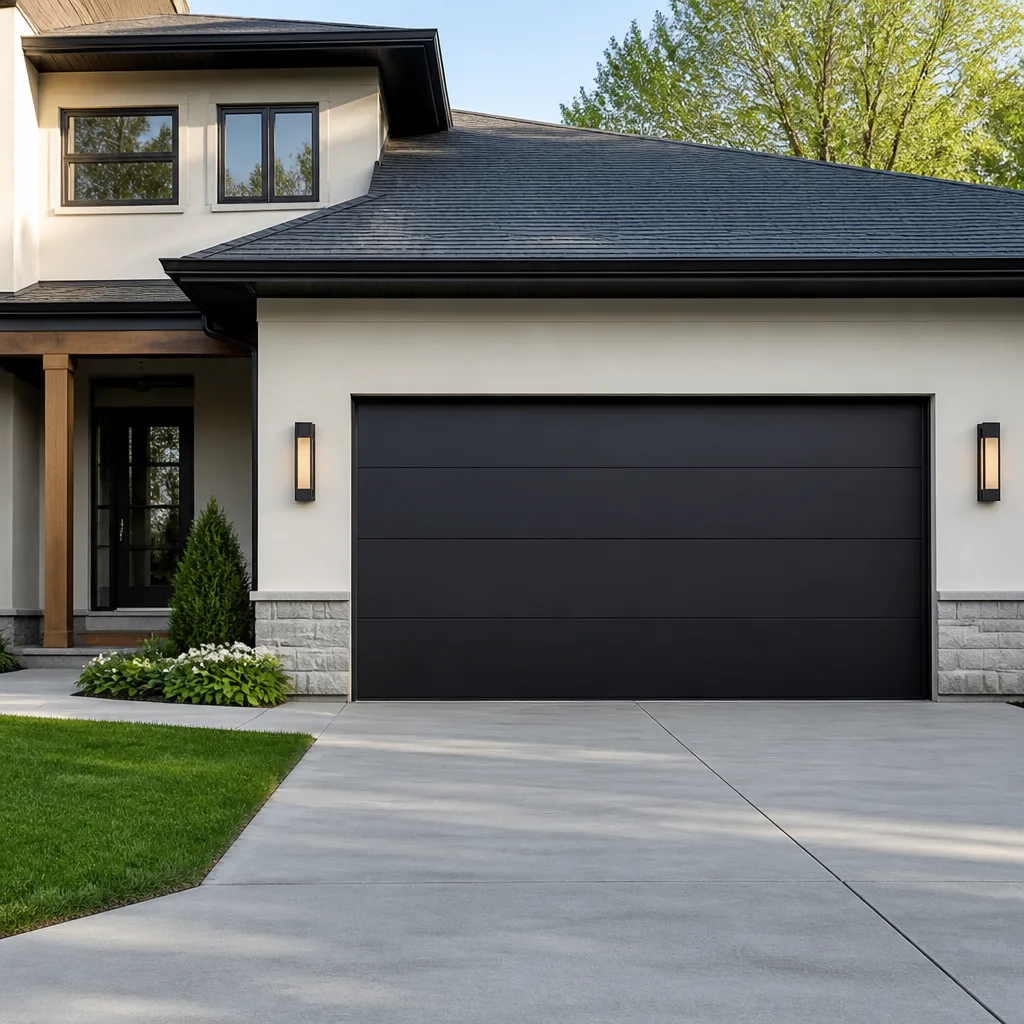 Modern flush
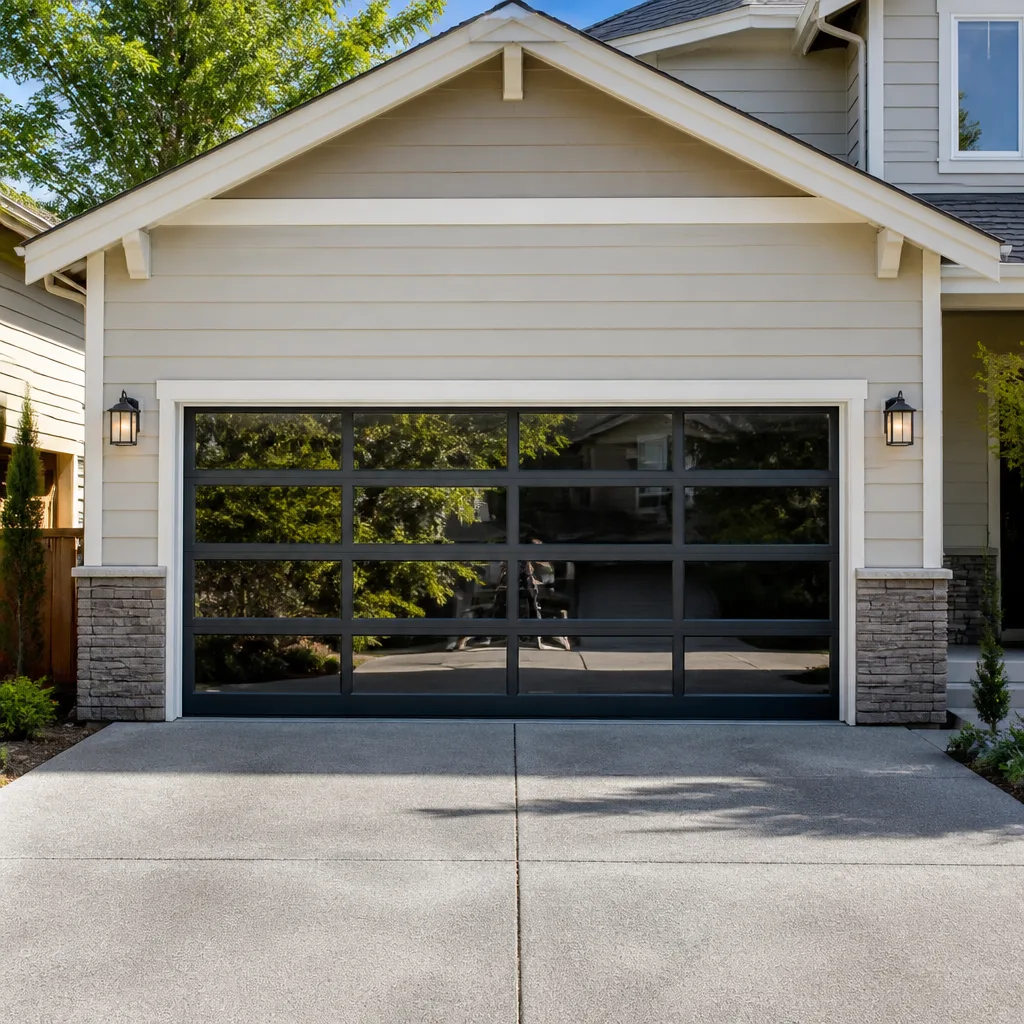 Full-view glass
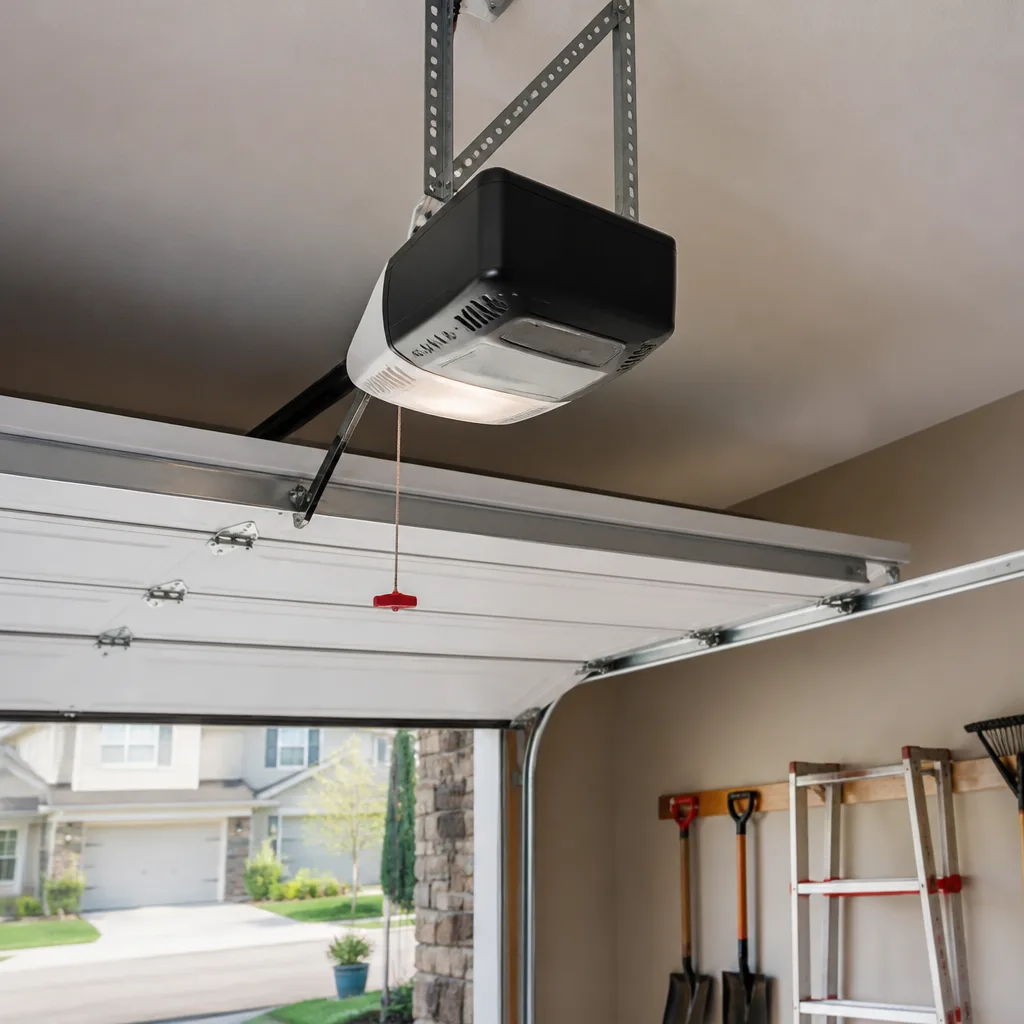 LiftMaster openers
 Chamberlain openers
Full 25-point door and opener safety check with every visit - springs, cables, rollers, tracks, and your LiftMaster or Chamberlain opener included
You get a price before we start. It does not change when the truck arrives.
Get your free estimateGarage Door Permits, Codes & Inspections in CA: What You Need to Know
Replacing a garage door with a like-for-like unit typically doesn’t require a permit in Pasadena, but adding a new door to an existing opening, changing the rough opening size, or installing a door in a fire-hazard zone almost always does. Contractors who don’t know this distinction cost homeowners money in both directions: skipped permits that surface during a sale, or paid inspections for work the city never required. This guide draws the line clearly, using the California Building Code sections Pasadena actually enforces, so you’ll know exactly where you stand before the first bolt comes off.
Quick Answer
In Pasadena and most of California, a like-for-like garage door replacement is classified as ordinary repair and does not require a permit, provided you’re not altering the rough opening, adding a new opening, or changing the door to a fire-rated assembly in a designated hazard zone. Work that triggers a permit includes new door installations, structural modifications to the opening, and any installation in a Very High Fire Hazard Severity Zone where specific material requirements apply. When in doubt, call the Pasadena Building and Safety Department or work with a contractor who confirms permit requirements in writing before the job starts; see our guide on How to Hire a Garage Door Contractor in Pasadena: A Step-by-Step Guide for what to ask.
Styles & brands we work with
Table of Contents
- When a Garage Door Permit Is Required in California
- What the Pasadena Building Department Actually Enforces
- The California Building Code Sections That Apply to Garage Doors
- Fire Hazard Zones and Garage Door Material Requirements
- What Unpermitted Work Means for Insurance and Resale
- How to Confirm Your Contractor Is Pulling Required Permits
- Common Mistakes to Avoid
- When to Call a Professional
- Frequently Asked Questions
When a Garage Door Permit Is Required in California
California leaves most residential garage door work in the ordinary repair category, which the California Building Code (CBC) defines as work that restores a structure or system to its original condition without altering its size, shape, or function. A direct replacement of a garage door, same size, same opening, same function, falls squarely into this category in most jurisdictions. You take the old door down, you put a new one up in the same opening, and the city doesn’t need to know about it.
The line moves when the work changes the structure rather than restoring it. Cutting a wider opening to fit a larger door triggers a permit because you’re modifying a load-bearing wall section. Adding a garage door where there wasn’t one before, such as converting a carport into an enclosed garage, requires a permit because you’re changing the building envelope. Moving an existing door to a different wall is structural work, not replacement, and requires permits.
Here is the distinction in practical terms:
- Like-for-like replacement: Same rough opening width and height, same door type. No permit required in Pasadena for standard residential installations.
- Rough opening alteration: Widening, raising, or lowering the header to accommodate a different door size. Permit required.
- New door in existing structure: Converting an open carport bay or wall into a garage with a new door. Permit required.
- Fire-rated assembly installation: Installing a garage door where the code requires fire resistance, particularly in wildland-urban interface zones. Permit required.
We’ve seen homeowners in Pasadena get this wrong in both directions. One customer paid $1,400 for an inspection on a direct door replacement his contractor told him was mandatory. It wasn’t. Another skipped the permit on a carport conversion and discovered the issue during a refinance appraisal, which stalled the loan for six weeks while the work was reviewed retroactively. Neither mistake is cheap.
What the Pasadena Building Department Actually Enforces
Pasadena operates under the California Building Standards Code with local amendments adopted through the Pasadena Municipal Code. The Building and Safety Division is the enforcement arm, and their inspectors apply a consistent threshold: if the work changes the structure, the opening, or the fire-rated assembly, it needs a permit. If it’s a direct swap, it doesn’t.
The department’s position on garage door replacement aligns with the state’s classification of ordinary repair. A homeowner can replace a sectional garage door with another sectional door of the same rough opening dimensions without a permit, regardless of material change from wood to steel or steel to aluminum. The door itself is not a structural element in this context; the wall framing and header carry the load.
What Pasadena does enforce consistently is the fire-rated separation between the garage and living space. Under CBC Section R302.5, the door between a garage and the home interior must be a solid wood door at least 1-3/8 inches thick, a solid or honeycomb-core steel door, or a 20-minute fire-rated door, and it must be self-closing. This applies to the pedestrian door, not the vehicle door, but it’s the inspection point most commonly flagged during garage-related work in Pasadena, especially when a water heater or furnace is located in the garage.
The other enforcement point that catches Pasadena homeowners is the self-closing and self-latching requirement. When an inspector does review a garage, they’ll check that the interior access door closes on its own and latches without manual force. A door propped open or missing its closer is a code violation even if the garage door itself was never part of the permit.
For the vehicle door, Pasadena’s inspectors focus on safety sensors, auto-reverse function, and proper spring installation when a permit is pulled for related structural work. A Garage Door Repair in Pasadena that involves only spring or cable replacement doesn’t trigger an inspection, but the work should still meet the manufacturer’s installation specifications and the CBC’s safety requirements for door operation.
The California Building Code Sections That Apply to Garage Doors
Most guides on this topic skim past the actual code sections. Here are the ones that matter for residential garage doors in California, with plain-English explanations of what each one means for a Pasadena homeowner.
CBC Section 1406: Fire-Resistant Construction. This section governs exterior walls and openings where fire resistance is required. For garage doors, it becomes relevant when the garage is attached to the home and the wall separating the garage from living space requires a fire-resistance rating. The vehicle door itself is rarely the rated assembly, but the wall around it is. If you’re modifying the opening in a way that affects the garage’s fire separation, Section 1406 governs the materials and installation methods.
CBC Chapter 11B: Accessibility Provisions. This chapter applies to commercial and multifamily residential construction, not single-family homes. However, it matters for Pasadena homeowners who rent out their property or operate a home-based business with customer access to the garage. Under Chapter 11B, a garage door providing accessible parking must meet specific opening force and clearance requirements. The maximum opening force for an accessible door is 5 pounds of force applied at the handle. A standard residential opener meets this easily, but manually operated doors in rental units sometimes fail the test.
CBC Section R309: Garages and Carports. This is the residential section that applies most directly to single-family homes. Key provisions include:
- Garage floors must be sloped toward the vehicle door opening to drain water and vehicle fluids.
- The vehicle door opening must be separated from the living space by a wall assembly with the required fire resistance.
- Duct openings in the garage are prohibited unless separated by fire-rated construction.
- The garage-to-house door must meet the requirements discussed in the previous section.
CBC Section R302.5.1: Opening Protection. If the garage has an opening into a sleeping room, the opening must be protected by a fire-rated door. This applies more often than Pasadena residents realize, particularly in older homes where a bedroom was added over or adjacent to the garage. A vehicle door replacement doesn’t change this requirement, but any modification to the garage structure brings it into scope.
For most homeowners, the practical takeaway is that code compliance for the vehicle door itself comes down to proper installation and safe operation, not a permit. The permitting questions live in the surrounding structure. A Garage Door Opener Repair in Pasadena that involves replacing an opener motor or sensors is ordinary repair, not a code-triggering event.
Fire Hazard Zones and Garage Door Material Requirements
Pasadena sits partially within a designated Very High Fire Hazard Severity Zone (VHFHSZ), a classification with real consequences for garage door specifications. The California Department of Forestry and Fire Protection (CalFire) maps these zones based on terrain, vegetation, weather patterns, and historic fire activity. Portions of Pasadena in the foothills and along arroyos fall into this category.
What this means for a garage door comes down to the wildland-urban interface (WUI) building standards in CBC Chapter 7A. These standards apply to new construction and certain remodels in the VHFHSZ, and they address the exterior components of a structure that are vulnerable to ember intrusion and radiant heat.
The key requirements for garage doors in the VHFHSZ include:
- Ember resistance: The door assembly must resist ember penetration. Standard steel doors with tight-fitting seals and no gaps greater than 1/8 inch at the edges meet this by design.
- Noncombustible exterior surface: Wood doors, unless constructed from ignition-resistant lumber or treated with a tested fire retardant, do not meet the requirement. Steel and aluminum doors with a solid core are the standard choice.
- Weather stripping and seals: All edges must have weather stripping that seals against ember entry. This is a detail inspectors in Pasadena check specifically, because it’s the most common failure point.
- Glazing restrictions: If the door includes windows, the glass must be tempered or otherwise rated for the fire zone. Standard annealed glass in a garage door window does not meet Chapter 7A requirements in the VHFHSZ.
Clopay and Amarr both manufacture VHFHSZ-compliant residential sectional doors with the features described above. The material choice matters more than the brand, but a steel door with a foam core and full-perimeter weather stripping is the most cost-effective way to meet the standard. In our experience serving Pasadena’s foothill neighborhoods, homeowners are often surprised that their existing 25-year-old wood door would not be approved for reinstallation in the same opening under current fire code.
The practical implication is this: if you’re replacing a garage door on a home in the Pasadena foothills and the existing opening is unchanged, you can install a new steel door without a permit. But if you’re making any structural change to the opening that brings the work into permit scope, the door you install must comply with Chapter 7A. You can’t pull it off the shelf at a big-box store and assume it’s fine.
What Unpermitted Work Means for Insurance and Resale
Unpermitted garage door work surfaces in two ways: insurance claims and property transactions. Neither is pleasant.
On the insurance side, California homeowners policies typically exclude coverage for damage caused by faulty workmanship, but they do cover resulting damage. The distinction matters. If an unpermitted carport-to-garage conversion has a door that fails and damages a vehicle or injures someone, the insurance company will investigate whether the work was permitted. If it wasn’t, and the failure traced to the unpermitted modification, the claim can be denied on the basis that the structure was altered outside the scope of coverage. This isn’t hypothetical. We’ve spoken with Pasadena homeowners who discovered their garage conversion was unpermitted only after a claim was filed.
On the resale side, the situation is more common and more predictable. California’s mandatory real estate disclosures require sellers to disclose known unpermitted work. A buyer who discovers an unpermitted garage door installation during inspection has three options: demand the seller obtain retroactive permits, demand a price reduction, or walk. Retroactive permitting in Pasadena requires the work to be brought up to current code, which may mean replacing the door if it doesn’t meet fire zone requirements or safety standards. The cost lands on the seller.
Title companies and mortgage lenders also care. An FHA or VA loan appraisal includes a structural review that may flag a garage door installed in a modified opening without permits. The lender can condition the loan on permit resolution, which delays closing and costs money. In a competitive Pasadena market, that delay can cost the seller a buyer.
The takeaway is straightforward: if the work requires a permit, get the permit. The short-term cost of the permit and inspection is a fraction of what unpermitted work costs when it surfaces later.
How to Confirm Your Contractor Is Pulling Required Permits
When a garage door project does require a permit, the question becomes who pulls it. The building permit belongs to the property owner, but a licensed contractor typically files it on the owner’s behalf. Here is the process we recommend to any Pasadena homeowner considering a permitted garage door installation:
- Ask for the permit number before work starts. A contractor who has filed the permit will have a number from the Pasadena Building and Safety Department. If they can’t produce one, the permit isn’t filed.
- Verify the permit online. Pasadena’s Building and Safety Division maintains public permit records. You can call the department directly and give the property address. They’ll tell you if a permit is active.
- Confirm the inspection schedule. A permitted job includes inspections at the required stages. For garage door work, this usually means a single final inspection. The contractor should tell you the inspection date and who will be present.
- Get the inspection sign-off in writing. When the inspection passes, the city records the approval. The contractor should provide you with a copy of the final inspection card or confirmation. This is the document you’ll need if the work is ever questioned during a future sale.
The phrase “we handle all that” without documentation is not an answer. A contractor who has actually filed the permit will have paperwork. A contractor who hasn’t will have excuses. The distinction is visible before a single tool comes off the truck.
This is the same verification discipline we apply to our own work. When a Garage Door Cable Repair in Pasadena or any permitted job requires city inspection, the permit number and the inspection status are on the paperwork before the work starts, with the written price.
Common Mistakes to Avoid
- Skimming the permit on a carport conversion. Enclosing a carport with a garage door changes the building’s fire separation and usually requires a permit in Pasadena. Doing it without one creates an insurance and resale problem that compounds over time.
- Paying for a permit on a like-for-like replacement. A direct swap with no opening modification doesn’t need a permit in Pasadena. Contractors who charge for one are either misinformed or padding the bill.
- Installing a wood door in the Pasadena foothills without checking Chapter 7A. In the Very High Fire Hazard Severity Zone, combustible door materials don’t meet the wildland-urban interface standard. The door may have to be replaced again if the work is ever brought under permit review.
- Believing a verbal assurance that permits are handled. Without a permit number and online verification, the promise carries no weight. Get it in writing before the work begins.
- Overlooking the garage-to-house door during garage work. The self-closing and self-latching requirements on the pedestrian door between garage and living space are the most common inspection failure in Pasadena homes, even when the vehicle door was never the permit trigger.
- Assuming a manual garage door meets accessibility standards for a rental unit. California’s Chapter 11B provisions apply to rental properties in certain configurations. The 5-pound opening force requirement is specific, measurable, and enforceable.
- Waiting until closing to resolve unpermitted work. Discovery during escrow is the most expensive moment to address a permit problem. A retroactive permit requires current code compliance, which can mean replacing a door that was installed without one.
When to Call a Professional
Permit questions are worth resolving with someone who does this work regularly and knows what Pasadena enforces. If you’re planning a carport conversion, modifying a rough opening, installing a door in the foothills fire zone, or buying a home with a garage door that raised questions during inspection, a professional consultation is worth the time. Our Garage Door Repair Maintenance Checklist for Pasadena Homeowners covers the key points to review. The wrong call on a permit is a five-figure mistake in some cases.
Brock Garage Doors Pasadena offers free estimates in Pasadena. We’ll walk the job, tell you whether the work requires a permit or not, and put the written price before you before any work starts. Call (626) 788-0967.
Frequently Asked Questions
No, a like-for-like garage door replacement in the same rough opening does not require a permit in Pasadena. The work qualifies as ordinary repair under the California Building Code. If you’re changing the rough opening size, adding a new door, or converting a carport to a garage, a permit is required. Call (626) 788-0967 if you’re unsure about your specific situation.
Permit fees in Pasadena vary based on the valuation of the work, often falling between $150 and $400 for a straightforward residential garage door installation or carport conversion. The Building and Safety Department calculates fees on a valuation schedule, so the exact amount depends on the project scope. The permit fee is a small fraction of what retroactive permitting costs.
Steel and aluminum sectional doors with solid cores, tempered glazing, and full-perimeter weather stripping meet the Chapter 7A wildland-urban interface standards that apply in Pasadena’s Very High Fire Hazard Severity Zone. Standard wood doors typically do not unless treated with a tested fire retardant. Brands like Clopay and Genie produce compliant models, though the certification matters more than the name.
For a standard like-for-like replacement, a homeowner can technically install a garage door without a permit. However, torsion springs carry a serious injury risk when improperly handled, and incorrect installation creates safety and warranty problems. The cost of professional installation usually offsets the risk. If the work requires a permit, Pasadena allows owner-builder permits, but the liability remains with the homeowner.
Call the Pasadena Building and Safety Department with your property address and ask about active permits. They maintain public records for all building permits in the city. If a contractor claims a permit was filed, get the permit number and verify it directly with the department.
The responsibility typically falls on the current owner to resolve the permit through the Building and Safety Department. This usually requires bringing the work up to current code, which may include replacing the garage door and upgrading the fire separation. The cost ranges from a few hundred dollars for inspection and retrofit to several thousand if the door must be replaced. If the seller failed to disclose the unpermitted work, you may have legal recourse, but resolving the permit remains the practical priority.
The Bottom Line
California garage door permit requirements are easier to navigate than most homeowners assume, but the consequences of getting it wrong are real. Like-for-like replacement? No permit in Pasadena. Structural modification, new opening, or fire-zone compliance? Permit required. The distinction matters for insurance, resale, and safety, and it’s the kind of thing worth confirming before work starts rather than discovering during escrow or a claim. Brock Garage Doors Pasadena handles this every day. For a straight answer on your project, call (626) 788-0967, or browse more guides & resources on garage door permits, maintenance, and hiring contractors.
Written by Wade Mercer, Owner at Brock Garage Doors Pasadena, serving Pasadena since 2001.
See the difference
 Before
 After
After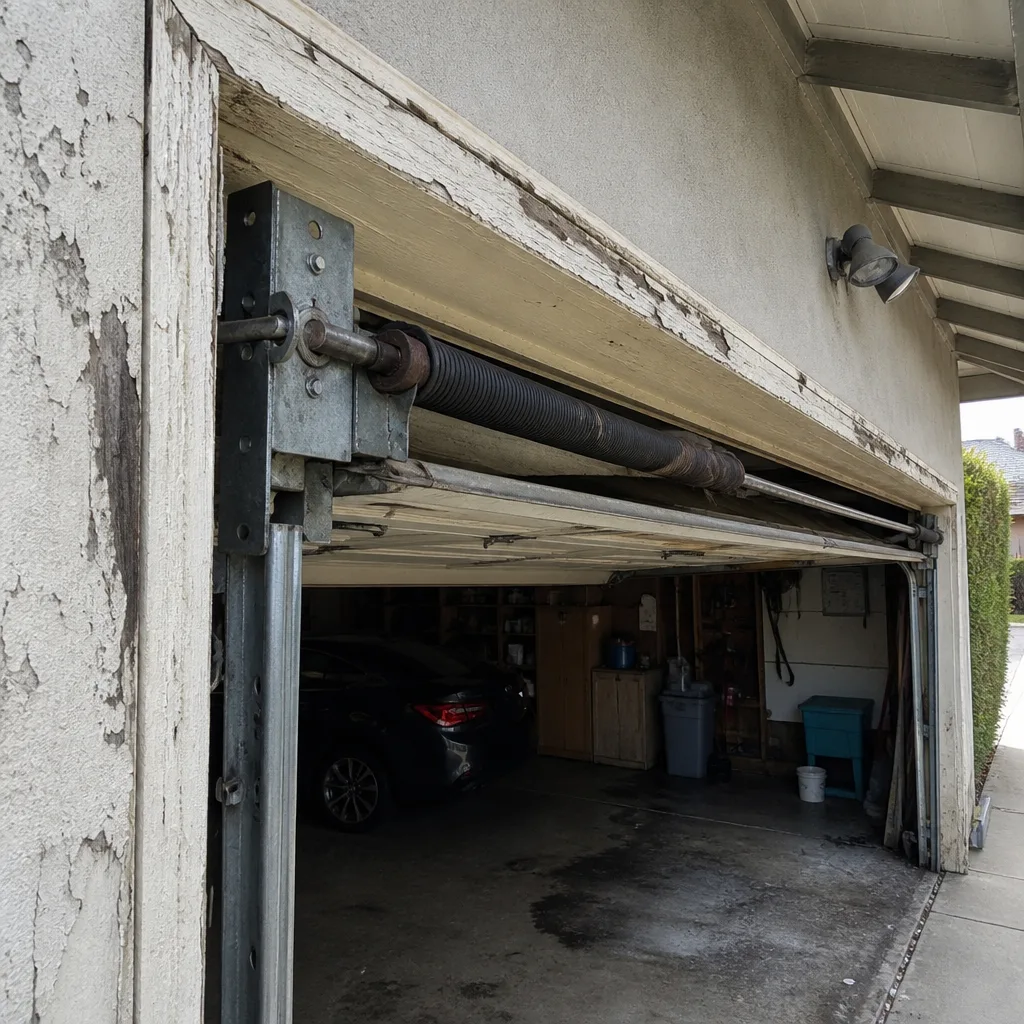 Before
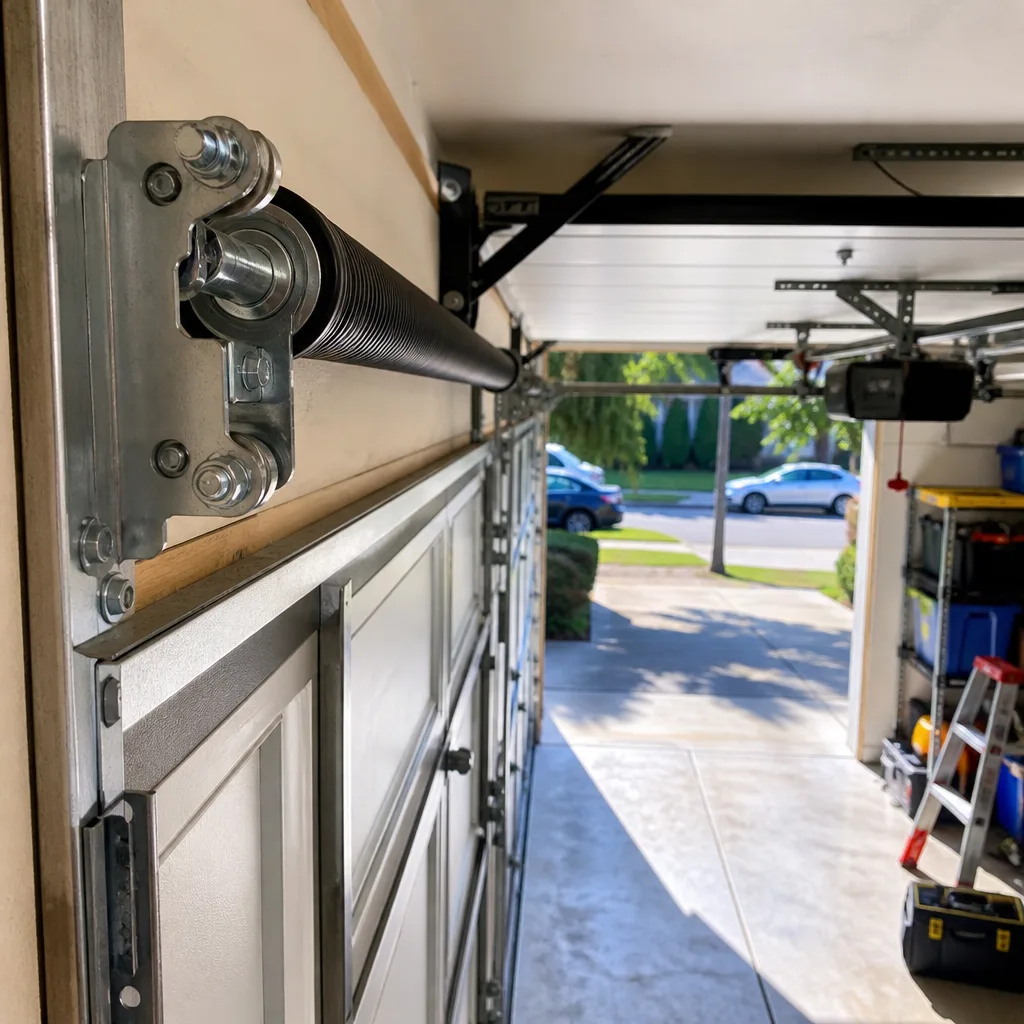 After
After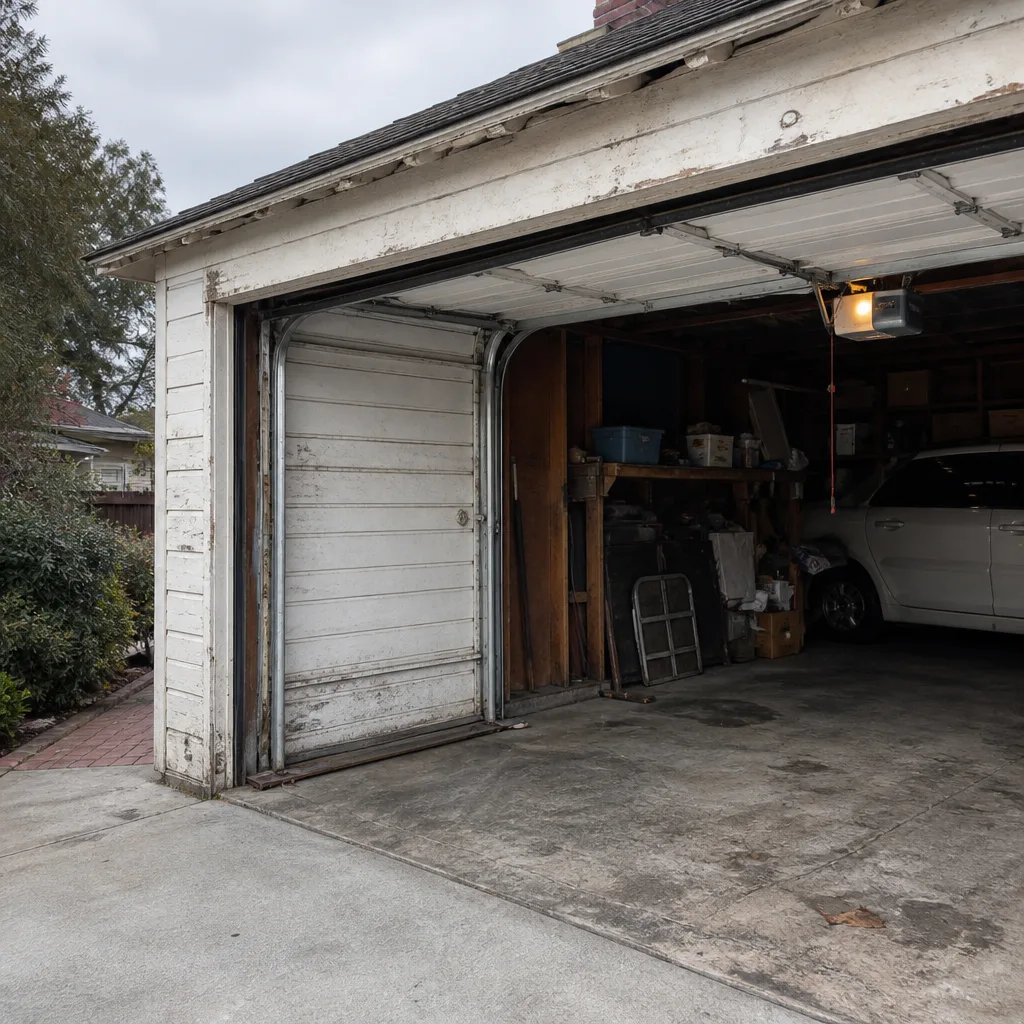 Before
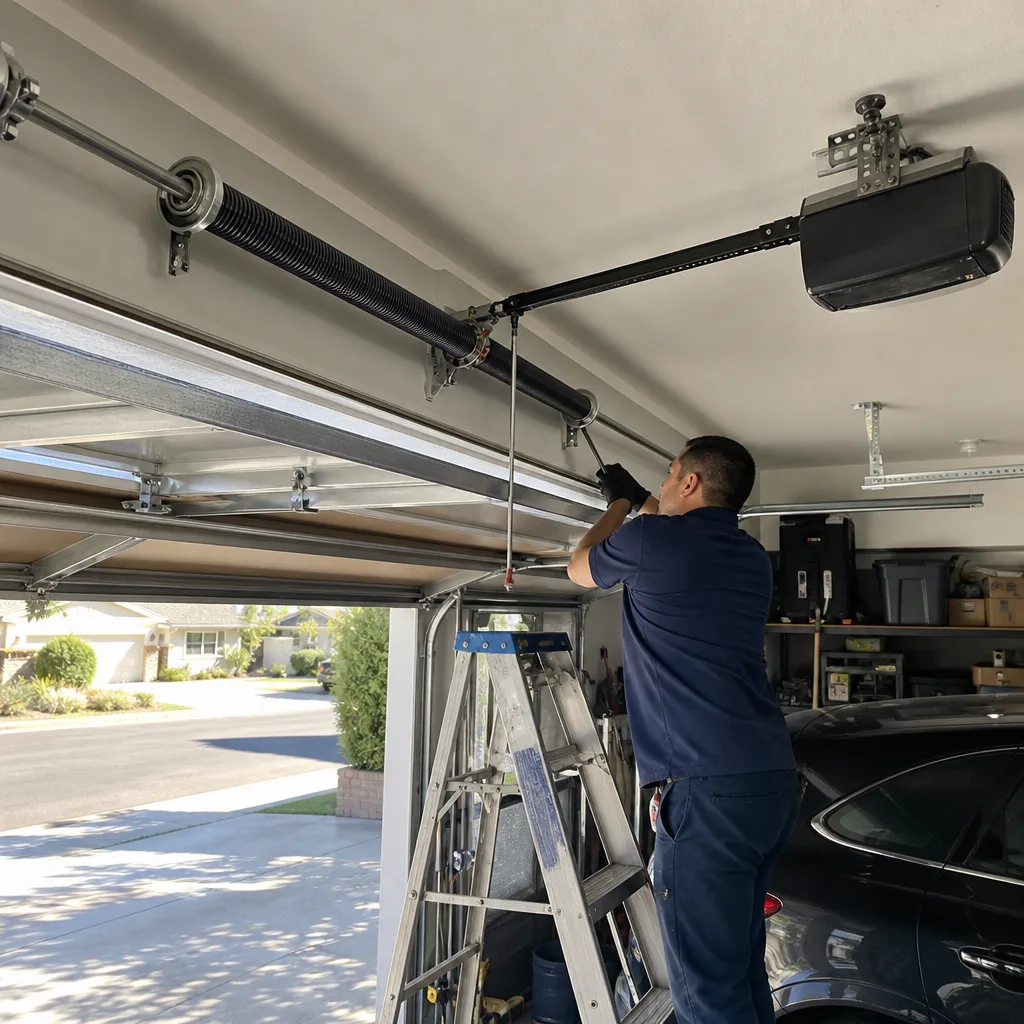 After
After