
Last updated October 16, 2026
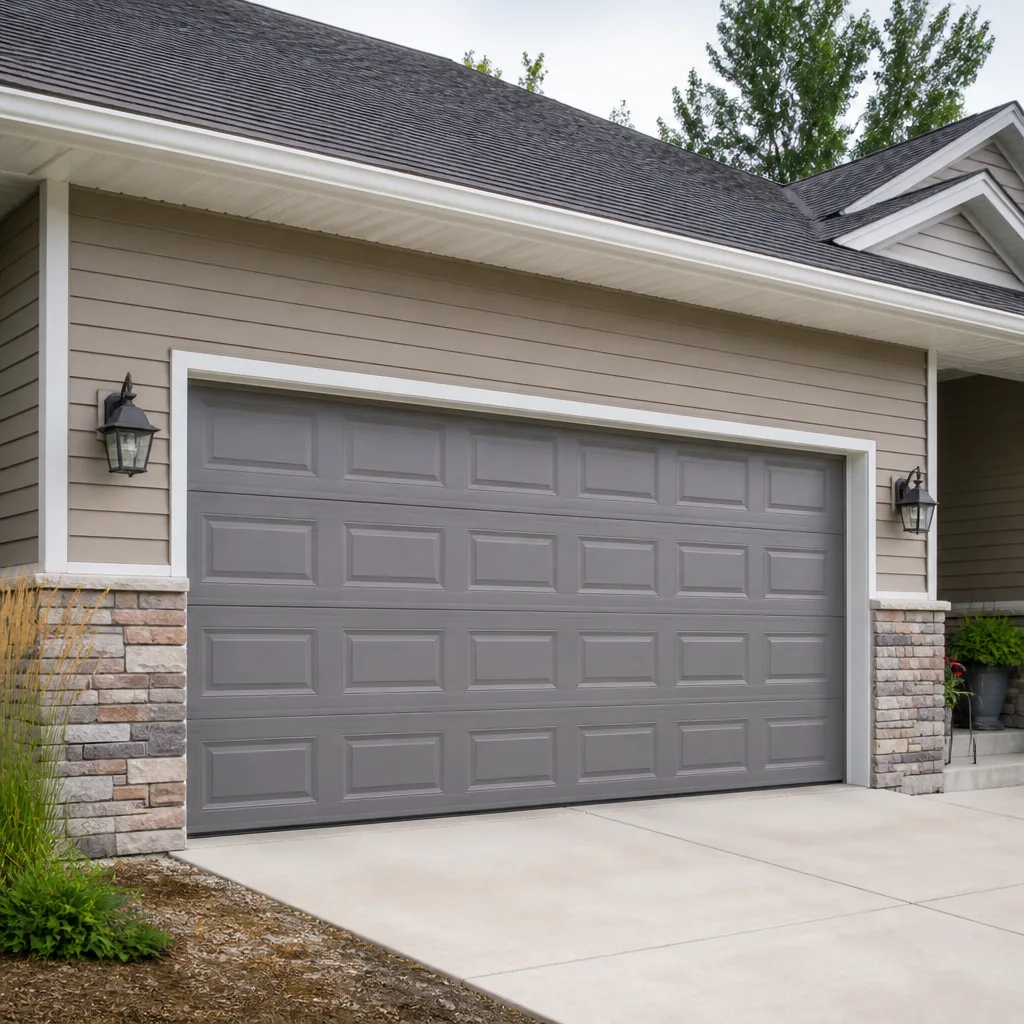 Raised-panel steel
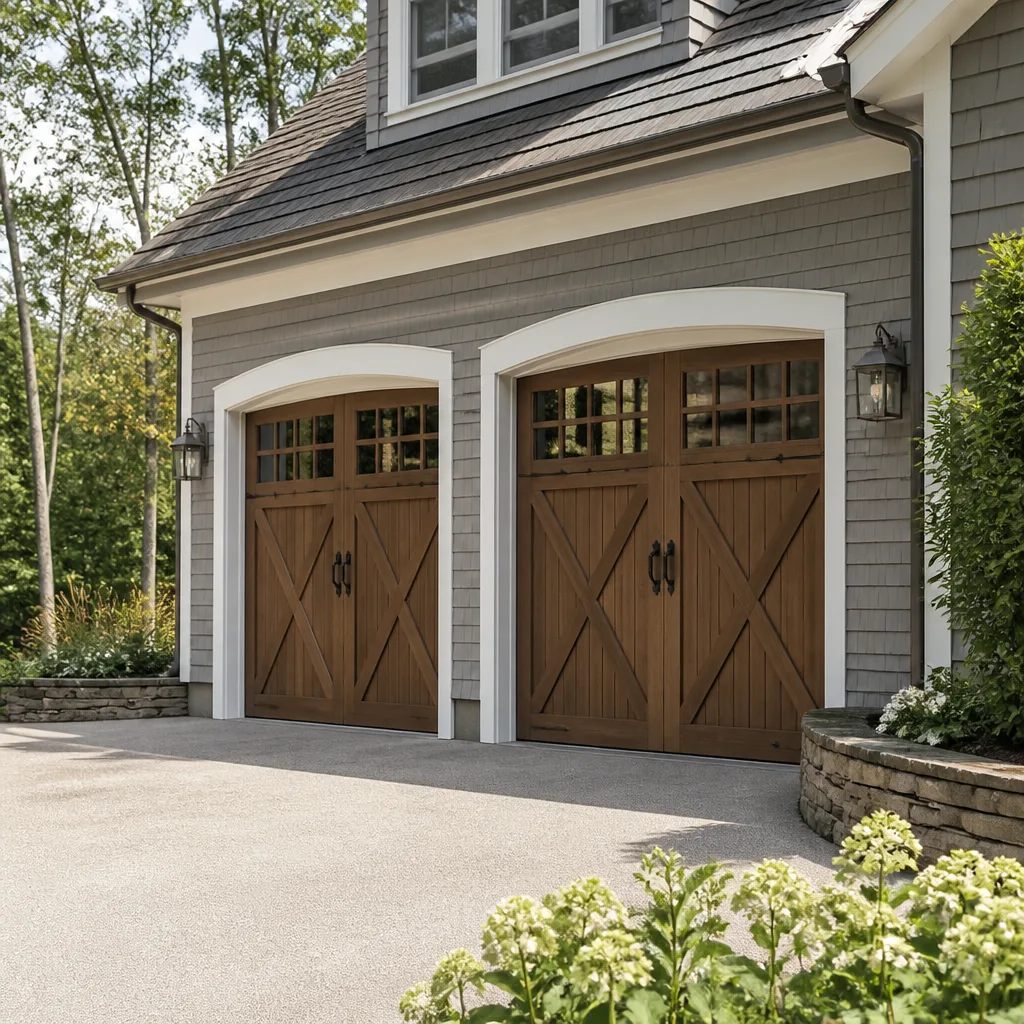 Carriage house
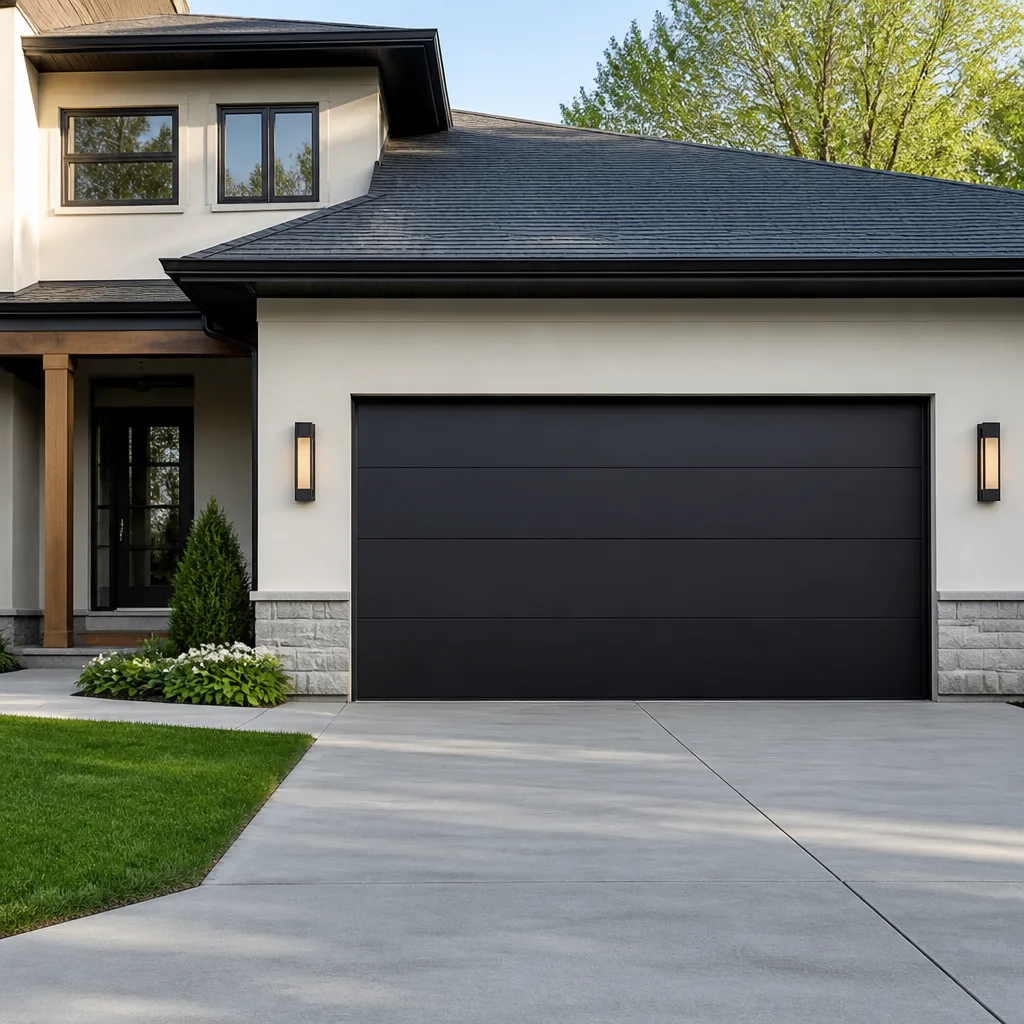 Modern flush
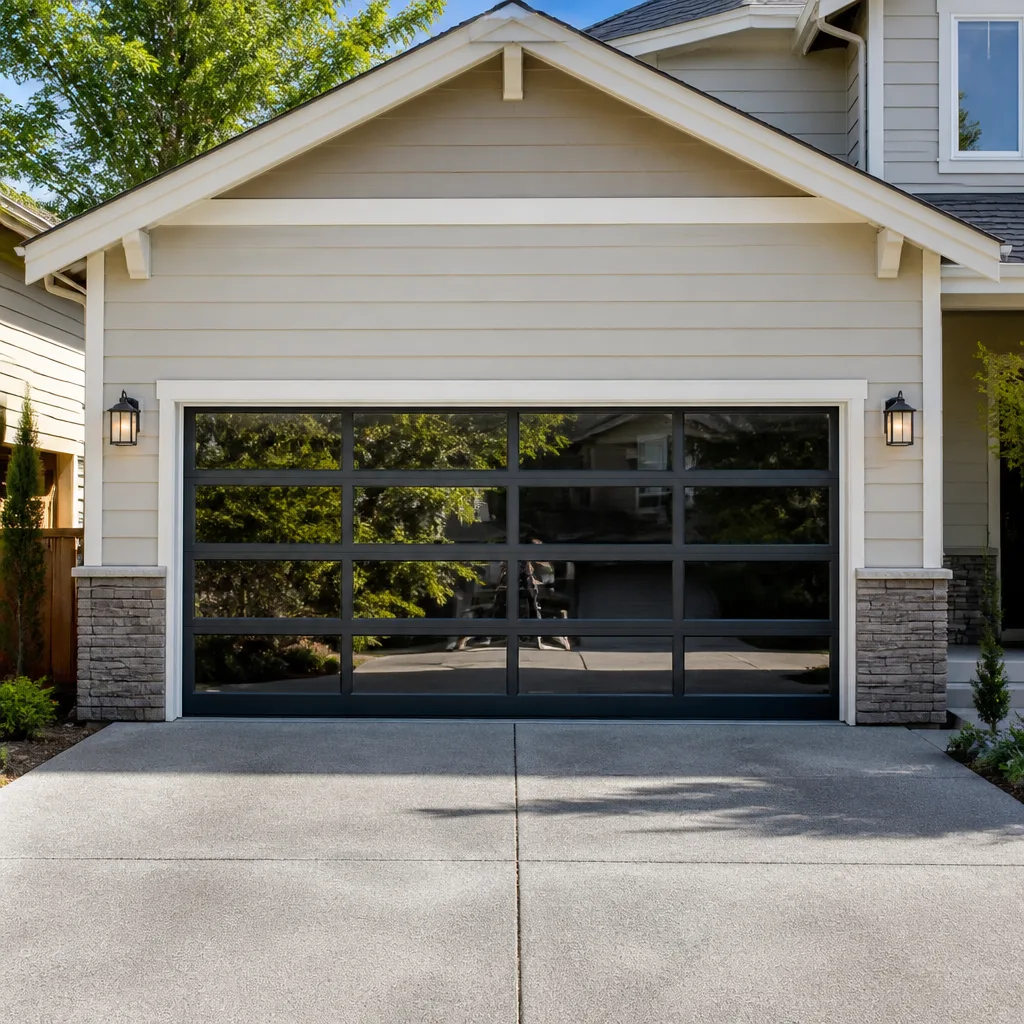 Full-view glass
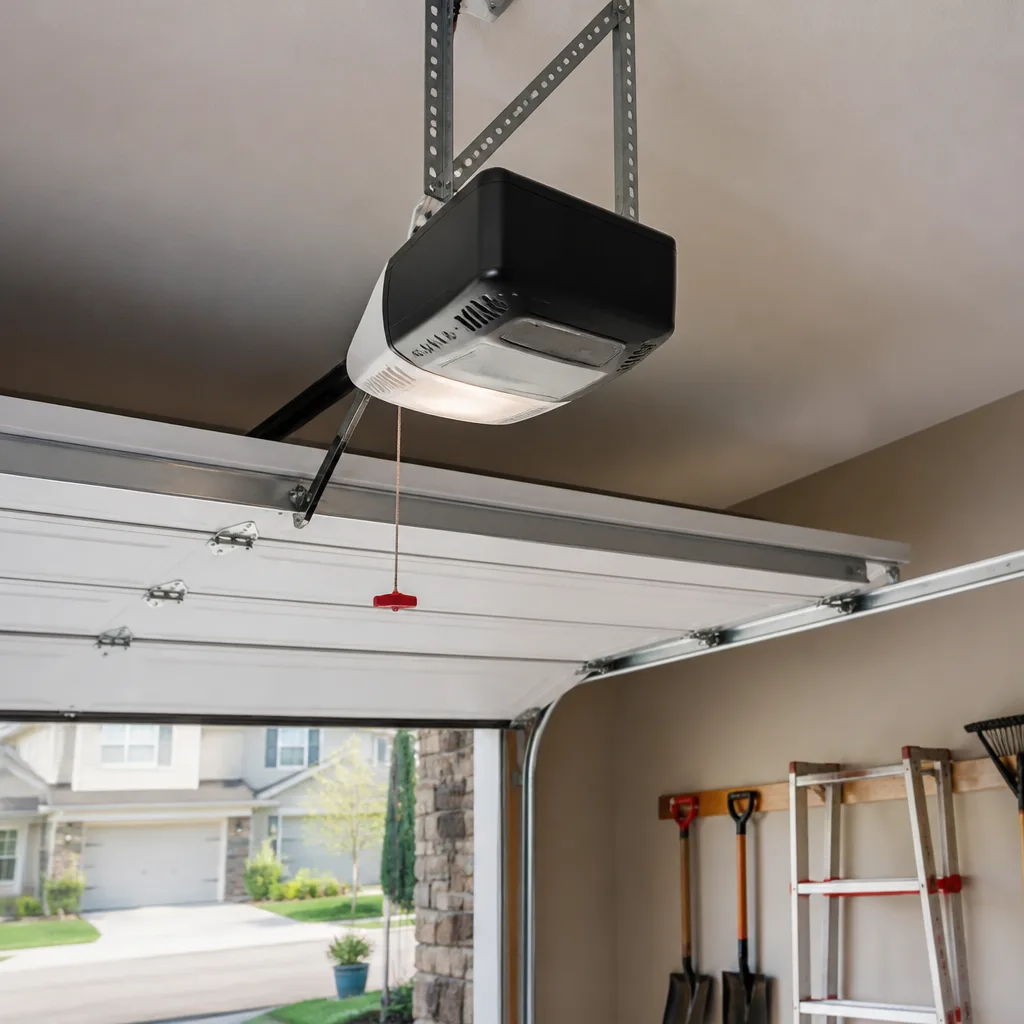 LiftMaster openers
 Chamberlain openers
Full 25-point door and opener safety check with every visit - springs, cables, rollers, tracks, and your LiftMaster or Chamberlain opener included
You get a price before we start. It does not change when the truck arrives.
Get your free estimateHow to Hire a Garage Door Contractor in Pasadena: A Step-by-Step Guide
California requires garage door contractors to hold a C-61/D28 or general B license. A surprising number of operators working Pasadena’s residential streets don’t have one, and when a spring snaps at 7 a.m. or a cable frays and the door hangs crooked, most homeowners don’t know the license category exists, let alone how to verify it. This guide and our complete guide to garage door in Pasadena walk you through a specific vetting sequence so you know exactly what to ask, what answers should end the conversation, and how to protect yourself before you ever hand over a dollar. You’ll learn how to check a license in under two minutes, why a verbal quote isn’t worth the air it rode in on, and what a legitimate written guarantee actually covers.
Styles & brands we work with
Quick Answer
To hire a garage door contractor in Pasadena, first verify their CSLB license (C-61/D28 or B) on the state portal, then require a written estimate before any work begins, ask five specific screening questions about experience, parts, warranty terms, and pricing, and confirm the guarantee covers both parts and labor in writing. Skip any contractor who won’t put numbers on paper or can’t produce a license number on the first call.
Table of Contents
- Step 1: Verify the CSLB License Before Anything Else
- Step 2: Demand a Written Estimate (and Know What It Must Include)
- Step 3: Ask These Five Screening Questions on the First Call
- Step 4: Read Reviews for Patterns, Not Individual Complaints
- Step 5: Confirm the Written Warranty Covers Parts AND Labor
- Step 6: Recognize the Red Flags Before They Cost You
- Step 7: Compare Quotes the Right Way
- Common Mistakes to Avoid
- When to Call a Professional
- Frequently Asked Questions
- The Bottom Line
Step 1: Verify the CSLB License Before Anything Else
The California Contractors State License Board (CSLB) issues a specific classification for garage door work: C-61/D28. That’s the Door and Gate specialty classification. Some operators hold a general B license instead, which is also valid for this trade. What is not valid is no license at all, and Pasadena has plenty of those operators running ads on neighborhood apps and leaving flyers at front doors.
Here’s how to check a license in under two minutes. Go to the CSLB website, click “Check a Contractor’s License,” and enter either the license number or the business name. Look for three things:
- The license status says “Active.” Anything else – expired, suspended, revoked – ends the conversation right there.
- The classification matches the work. C-61/D28 or B is what you’re looking for. A C-10 electrical license does not qualify someone to replace torsion springs, no matter what they tell you.
- The business name on the license matches the name on the estimate. A contractor who gives you a quote under a different name than the license is a warning sign, not a clerical error.
Why does this matter in Pasadena specifically? Because the city’s housing stock runs old. Craftsman bungalows, Spanish colonials, mid-century ranches – many of these homes have garage doors installed decades ago, often retrofitted with newer openers. The mechanical failures we see most often in Pasadena involve mismatched parts, tired springs, and opener systems patched together over the years-issues our seasonal garage door care for Pasadena guide helps homeowners catch early. An unlicensed operator working in this environment has no accountability structure behind them. If the repair fails, you have no complaint path with the state, no bond to claim against, and no legal leverage. The license isn’t a formality. It’s your only real protection when the door won’t open on a Monday morning two weeks after the repair.
Our technicians at Brock Garage Doors Pasadena home hold the proper classification, and we’ll give you our license number on the first call if you ask. We expect you to check.
Step 2: Demand a Written Estimate (and Know What It Must Include)
A verbal quote in California is contractually unenforceable for home improvement work over $500. Here’s the practical problem: most garage door repairs hover right around that threshold or climb above it quickly once parts are involved. When a spring breaks and the technician says “I can do it for $400,” and then hands you an invoice for $700 because the cables were also worn, you have nothing to contest. The verbal number doesn’t exist in any enforceable form.
California law requires home improvement contracts to be in writing, and they must include specific elements. For a garage door repair, your written estimate should contain at minimum:
- The contractor’s name, address, and CSLB license number
- A line-item breakdown of parts and labor, not a single lump sum
- The total price, clearly stated
- A description of the work being performed
- The warranty terms, in writing, with a start and end date
- The payment schedule, if any
If any of these elements are missing, the estimate doesn’t protect you. A “total: $450” scrawled on a business card is not a written estimate. It’s a gesture. Pasadena homeowners should know that the price on the written estimate is the price you’re approving. Every job at Garage Door Repair in Pasadena that we perform starts with a written price handed to the customer before a single bolt turns. The number on the invoice matches the number on the estimate. That’s not a sales tactic; it’s the only way the math works out fairly for both sides.
Ask this question directly: “Will you give me the price in writing before you start?” If the answer is anything other than “yes,” thank them for their time and move on.
Step 3: Ask These Five Screening Questions on the First Call
The first phone call tells you more about a contractor than their website ever will. A professional answers questions directly, gives specific answers, and doesn’t hedge. A one-truck operator who plans to disappear after the job will deflect, generalize, and rush you toward booking. Here are the five questions to ask, and the answers that separate the two groups.
- “What’s your CSLB license number?” A professional gives it to you immediately, along with the classification. A non-professional says they’re “working on getting it” or tells you they don’t need one for small jobs. The law disagrees. End the call.
- “What brands do you work on?” A trained technician names specific manufacturers: LiftMaster, Chamberlain, Genie, Clopay, Amarr, Wayne Dalton. A generalist says “all brands” without specifying. Garage door systems differ meaningfully between manufacturers. A professional knows which parts interchange and which don’t.
- “Do you carry common parts on the truck?” For spring and cable work, a stocked truck means same-visit repair. A contractor who has to “run to the supply house” for every job either doesn’t stock inventory or doesn’t do enough volume to justify it. Both are information.
- “How is the guarantee handled if the repair fails?” Listen for specifics: how long the warranty runs, what it covers, and what happens in the failure scenario. “We come back and fix it” without a timeframe or scope is not a guarantee. It’s a vague promise that evaporates the moment they close the tailgate.
- “What happens if the price changes once you see the door?” A professional explains that the written estimate is the price, and if additional work is discovered during the repair, you’ll approve it in writing before it’s performed. A non-professional says “we’ll see when we get there,” which means the number moves at the door.
One note: don’t treat these questions as a script. The answers are what matter, not the performance. A good contractor sounds like a technician, not a salesman. If they answer in specifics and don’t seem rushed, that’s the signal you want. Our team works on Garage Door Opener Repair in Pasadena jobs daily, and our technicians can tell you exactly which opener model you have, which replacement logic board it takes, and what the labor looks like before they ever arrive.
Step 4: Read Reviews for Patterns, Not Individual Complaints
Every contractor with more than a handful of jobs has at least one bad review. Someone was having a terrible day, miscommunication happened, or the homeowner’s expectations didn’t match the scope of work. One bad review is noise. What you’re looking for is pattern.
Here’s how to read Google and Yelp reviews for a garage door contractor in Pasadena:
- Look for repeated mentions of warranty non-performance. If three different reviewers say “he stopped answering my calls after I reported a problem,” that’s a pattern. That’s the contractor’s behavior when something fails. That review section is telling you your future.
- Look for repeated mentions of price changes at the door. “Quoted me $200, charged me $450” in multiple reviews means the verbal-quote game is standard practice. Move on.
- Look for repeated mentions of no-shows or missed windows. A contractor who doesn’t show up when they say they will, across multiple reviews, will not show up for you either.
- Ignore isolated complaints about unrelated factors. One reviewer complaining about street parking on their block is not a signal about the contractor’s work quality.
- Read the contractor’s responses. A professional responds to negative reviews calmly, addresses the specific issue, and offers to make it right. A defensive response that blames the customer tells you how they’ll handle problems on your job.
Pasadena’s garage door market has dozens of operators listed across five or six platforms. The review landscape is noisy. Focus on the last 12 months, because a contractor’s quality changes over time. A company with stellar reviews from 2019 and nothing since 2022 is telling you something about their current state.
Step 5: Confirm the Written Warranty Covers Parts AND Labor
Here’s a sentence that should concern any Pasadena homeowner: “The part has a manufacturer’s warranty, so you’re covered.” What that means, in plain English, is this: when the replacement spring fails in four months, the manufacturer replaces the spring, but you’re paying for labor to install it. The part is covered. The hour of technician time is not. That labor charge often runs $100 to $200, which means your “warranty” just cost you money.
A legitimate one-year written guarantee covers both parts and labor. The entire repair, not just the component. In our shop, it’s called the 365-Day Done Right Promise, and it works like this: if a covered repair fails within a full year, a technician returns and corrects it at no charge. Not a reduced rate, not a diagnostic fee, not a “we’ll see what we can do.” No charge. It’s written on the estimate, not spoken in the driveway.
Here’s what to confirm before signing anything:
- The warranty term is stated in writing with a clear start date (the date of repair) and end date (365 days later)
- The warranty covers labor, not just parts
- There’s no diagnostic fee or trip charge for a warranty visit
- The warranty is from the contractor, not just the part manufacturer
Ask the contractor to point to the warranty language on the written estimate. If they can’t point to it, it doesn’t exist. Cable work in particular is a common failure point, and we see Pasadena homes with frayed cables on a regular basis. Garage Door Cable Repair in Pasadena should be covered under the same written guarantee as spring work. If a contractor warranties springs but not cables, ask why not. The answer often reveals whether they’re confident in their work or just pricing to the close.
Step 6: Recognize the Red Flags Before They Cost You
Some operators telegraph their intentions before they ever reach your driveway. Recognizing these signals early saves you money and aggravation. Here are the red flags specific to garage door work in Pasadena, in the order we’d expect you to encounter them.
- The estimate is verbal and stays verbal. This is the single most common pattern in our market. The technician arrives, chatty, confident, tells you “no problem, about $350,” and when the work is done, the number has moved. The only defense is a written price before work begins.
- The contractor won’t give you a license number. Not a “I’ll get it to you later.” On the first call, a licensed contractor has the number memorized. It’s a 7-digit number. If they can’t produce it, they don’t have it.
- The spring price is suspiciously low. A torsion spring replacement in Pasadena typically runs $180 to $340 for a single spring, depending on size and cycle rating. If someone quotes you $89, they’re either installing a used spring, a cheaper spring with a lower cycle rating, or they’re planning to inflate the number after the door is disassembled. Quality springs cost what they cost.
- The technician pushes a full door replacement instead of repairing the failure. Sometimes replacement is the right call, especially for a door that’s 25 years old with rusted tracks and warped panels. But if the request was a spring repair and the pitch pivots to a $3,000 door within ten minutes, you’re being sold, not diagnosed.
- No uniform, no company vehicle, no identification. A contractor who operates legitimately has a branded vehicle, a named technician, and a way to identify themselves. An unmarked truck and a guy in a t-shirt who asks to be paid in cash is not a business. He’s a person with tools.
- Payment is requested in full before the work is completed. For most repairs, payment on completion is standard. A contractor who requires full payment upfront is managing their own risk, not yours.
None of these signals is subtle. The reason they persist is that a broken garage door creates urgency, and urgency bypasses normal judgment. A door that won’t close is a security problem. A door that won’t open traps your car. The impulse to hire the first person who answers the phone is strong. Breathe through it. A two-minute license check and a written estimate are not obstacles to getting your door fixed. They’re the path to getting it fixed exactly once.
Step 7: Compare Quotes the Right Way
At some point you’ll have two or three written estimates in front of you, and you’ll notice they don’t line up cleanly. That’s by design. Comparing garage door quotes in Pasadena requires reading below the line items.
Here’s what a real comparison looks like:
- Spring quality. Entry-level torsion springs are rated for 10,000 cycles. A heavier spring rated for 20,000 or 30,000 cycles costs $30 to $60 more and lasts two to three times longer. If one quote is $40 lower, check whether the spring grade is the same.
- Labor scope. Some quotes include a safety inspection of cables, rollers, and hinges as part of the spring replacement. Some don’t. The cheaper quote that skips the inspection isn’t saving you money; it’s deferring a second failure.
- Warranty terms. One year parts and labor, one year parts only, 90 days parts only, no written warranty. These are four different products wearing the same price tag. Pull the warranty language out of each quote and compare them side by side.
- Parts availability. A contractor who stocks the spring on the truck can complete the job in one visit. A contractor who has to order the spring means your door sits unusable for two or three days. In Pasadena, where many homes have alley-access garages visible from the street, a door that won’t close is a liability, not an inconvenience.
- Response window. Look at how quickly each contractor can schedule the work. A repair that can be scheduled within 24 to 48 hours is normal. A contractor who says “two weeks out” may be a one-person operation stretched too thin.
The goal isn’t to find the cheapest quote. It’s to find the quote that represents the best value with the lowest risk. A $320 spring replacement with a one-year parts-and-labor written warranty beats a $260 spring replacement with a 90-day parts-only verbal promise every time.
Common Mistakes to Avoid
- Hiring the first contractor who answers the phone. A broken garage door feels urgent, but a wrong hire costs more time and money than a day of waiting. The contractor who can come out immediately because they have no other jobs is sometimes telling you something about their demand.
- Accepting a verbal estimate. In California, if it’s not in writing, it didn’t happen. The verbal quote is the single most common way Pasadena homeowners get overcharged.
- Skipping the license check. It takes two minutes on the CSLB website. It’s the only step that gives you legal recourse if something goes wrong. Skipping it means you’re hiring on faith.
- Assuming all springs are the same. They’re not. A 10,000-cycle spring and a 30,000-cycle spring look identical on the truck. The difference shows up in year three or four, long after the invoice is paid.
- Not asking what the warranty covers. “The part is under warranty” is not a warranty. If the labor isn’t covered in writing, the warranty has a hole in it the size of your next service call.
- Choosing the quote without reading the line items. A lower number with worse parts and a shorter warranty is not savings. It’s a deferred expense.
When to Call a Professional
Garage door systems are under constant mechanical tension. Torsion springs bear hundreds of pounds of force even when the door is closed. Cables moving on their drums carry the full weight of the door during every cycle. When any part of that system fails, it fails violently. A snapped spring sounds like a gunshot. A released cable whips fast enough to cut. The force involved in these systems is not intuitive, and the injuries are severe when things go wrong.
Specific scenarios that warrant a professional call: a spring has snapped or is visibly separated, a cable is frayed or off its drum, the door is off track or hangs unevenly, the opener motor runs but the door doesn’t move, or the door reverses unexpectedly on the way down. These conditions indicate mechanical or electrical failures that cannot be safely diagnosed from a YouTube video. The risk of attempting a spring replacement or cable adjustment without proper winding bars, correct replacement parts, and years of repetition is high, and the cost of the mistake is measured in hospital visits, not dollars.
Brock Garage Doors Pasadena offers free estimates in Pasadena. Call (626) 788-0967, and a live person will answer, day or night.
Frequently Asked Questions
Most garage door repairs in Pasadena fall between $150 and $450, depending on the failure. Spring replacements typically run $180 to $340 per spring, cable repairs $150 to $275, and opener repairs $175 to $400. The final number depends on the door weight, spring cycle rating, and whether additional components like cables or pulleys failed alongside the primary issue. Call (626) 788-0967 for an exact written quote. Estimates are free.
You can, but you shouldn’t. California requires a C-61/D28 or B license for garage door work, and hiring an unlicensed operator means you have no recourse through the CSLB if the work fails, no bond to claim against, and no legal leverage for warranty claims. The money you might save on a lower quote doesn’t buy that protection back.
Prices change at the door when the initial quote was verbal and the contractor knows it’s unenforceable. A written estimate with a line-item breakdown, handed to you before work begins, is what prevents the number from moving. If a contractor won’t put the price in writing, the price is already moving.
A legitimate garage door warranty covers both parts and labor, in writing, for a stated period. One year is the standard for reputable shops. If the warranty covers parts only, the manufacturer may replace a failed part, but you’ll pay labor to install it, which often runs $100 to $200. Confirm the warranty language is on the written estimate before you sign anything.
Yes. Our technicians at Brock Garage Doors Pasadena carry common springs, cables, rollers, and opener components on the truck, which means most repairs in Pasadena are completed in a single visit. For less common parts, we tell you upfront when the part will arrive and what the schedule looks like. Call (626) 788-0967 and we’ll tell you what to expect.
No. The written estimate we provide before work begins is the exact price, and every Brock job in Pasadena starts that way. If we discover additional problems during the repair, we stop, show you what we found, and get your written approval before we proceed. The number on your invoice is the number you approved.
The Bottom Line
Hiring a garage door contractor in Pasadena comes down to three things: verify the license, demand the writing, and read the warranty language. A C-61/D28 or B license means the contractor is accountable to the state and you have a complaint path if the work fails. A written estimate means the price can’t move at the door. A warranty that covers parts and labor in writing means the repair actually lasts a year or you’re made whole without a negotiation. Skip any of these three and you’re gambling. The door will open and close either way. The difference shows up when it doesn’t, and that’s exactly when accountability, a fixed number on paper, and a guarantee that returns with a truck become the only things standing between you and a second invoice. For more guides & resources, visit our blog.
Written by Wade Mercer, Owner at Brock Garage Doors Pasadena, serving Pasadena since 2001.
See the difference
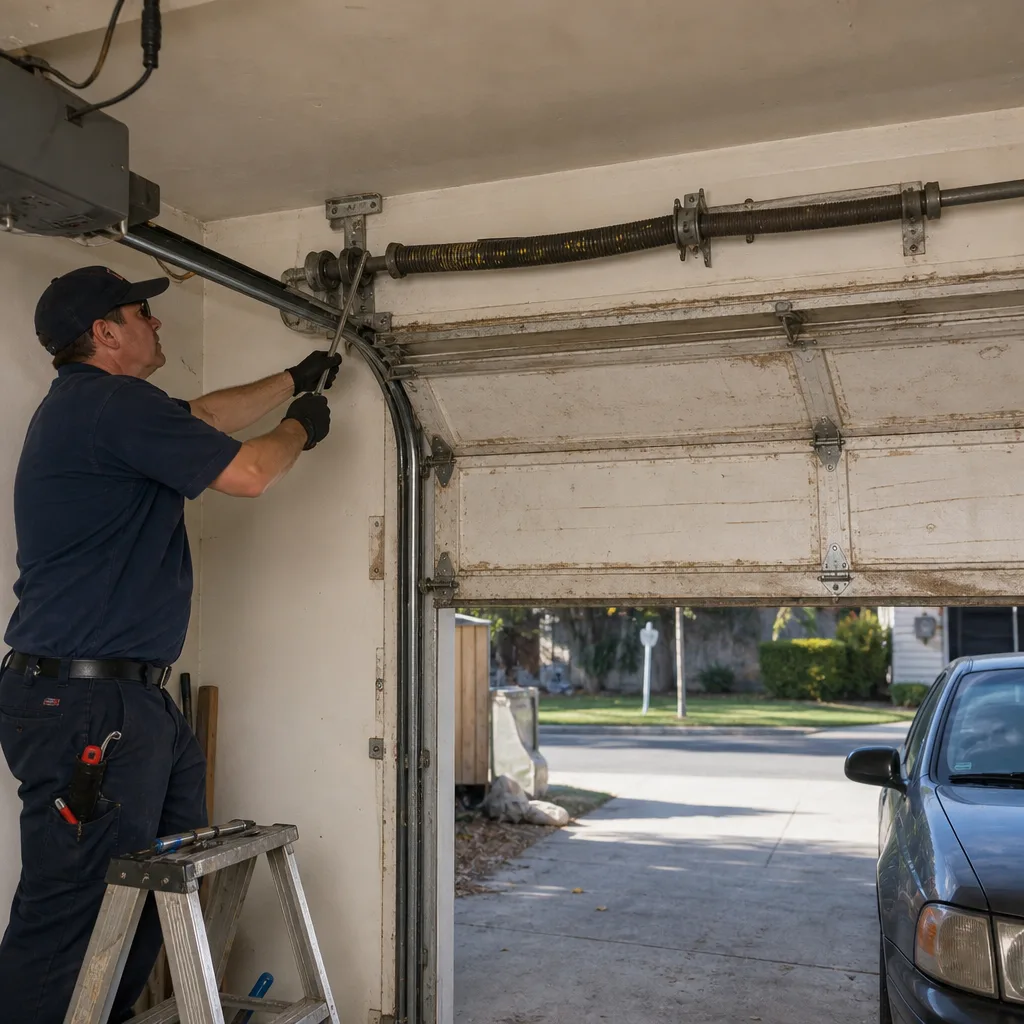 Before
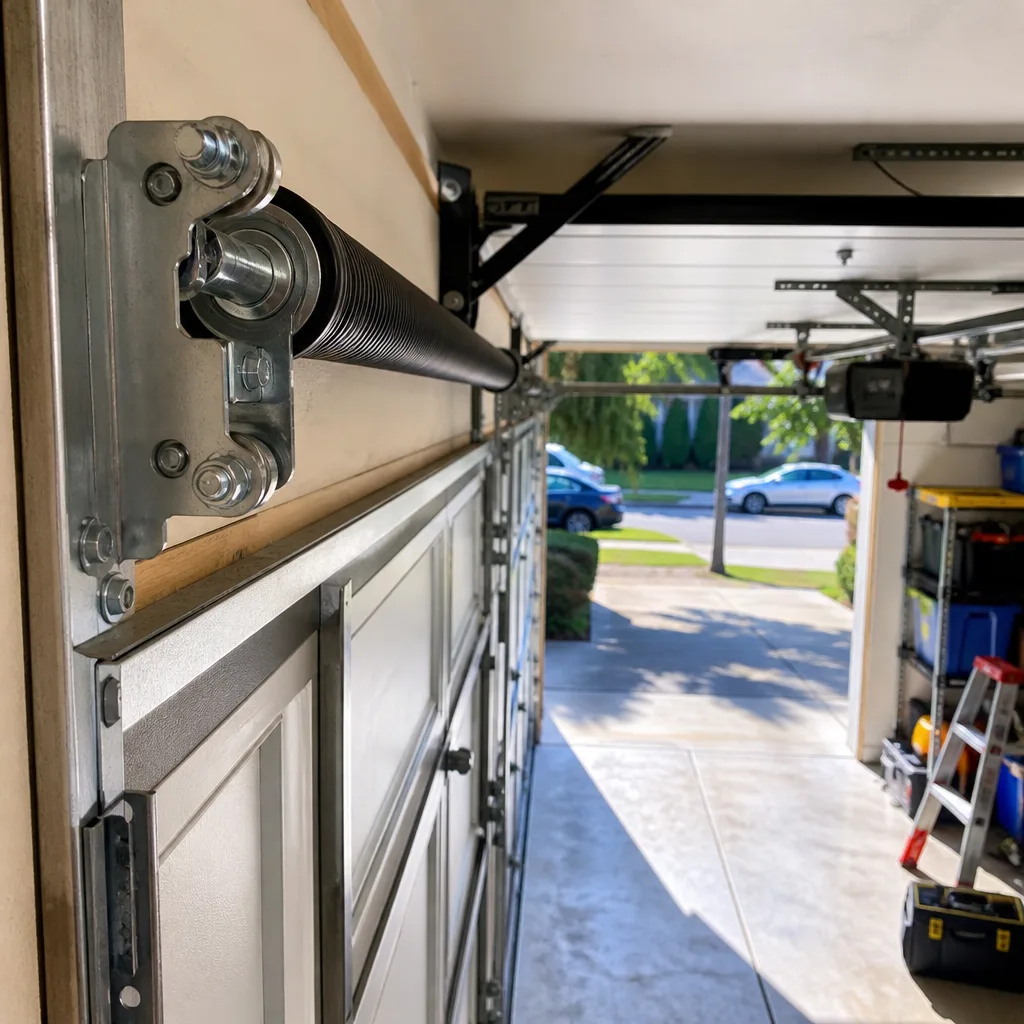
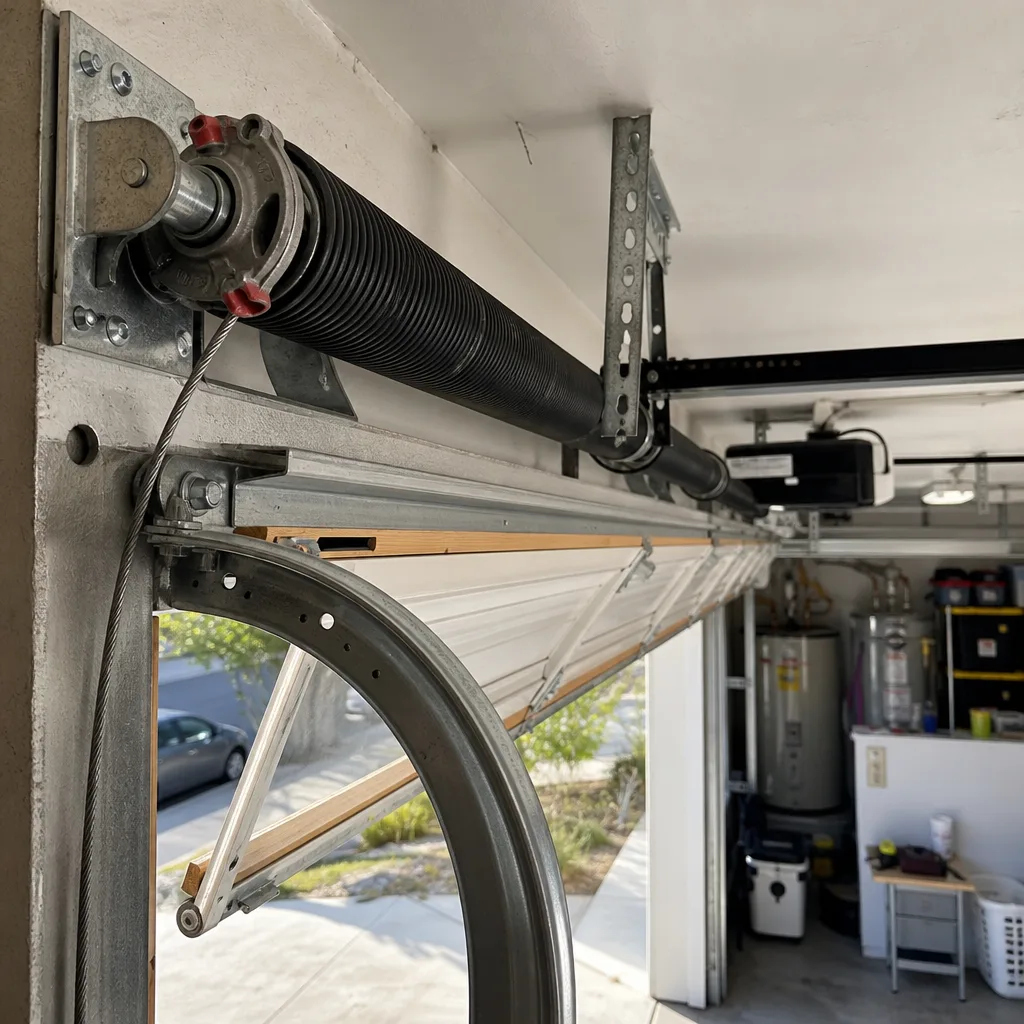 After
After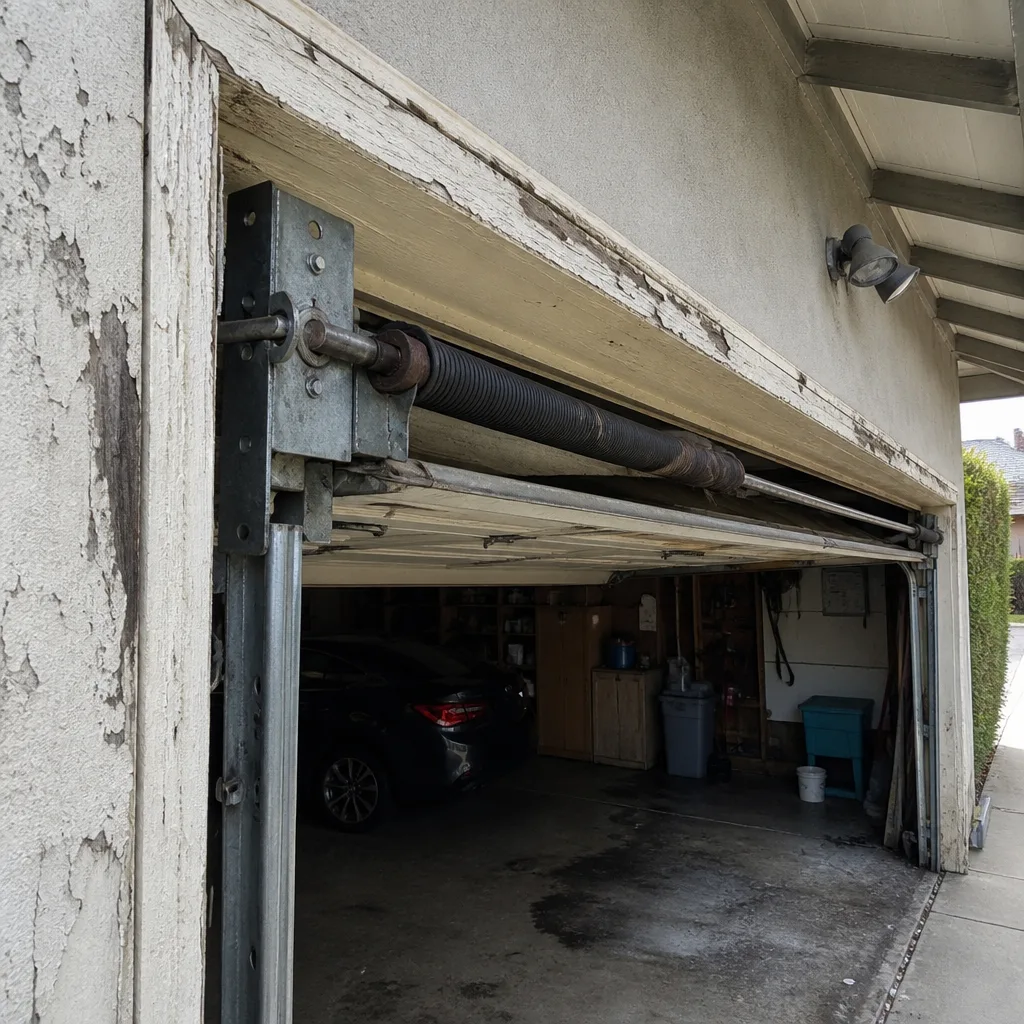 Before
 After
After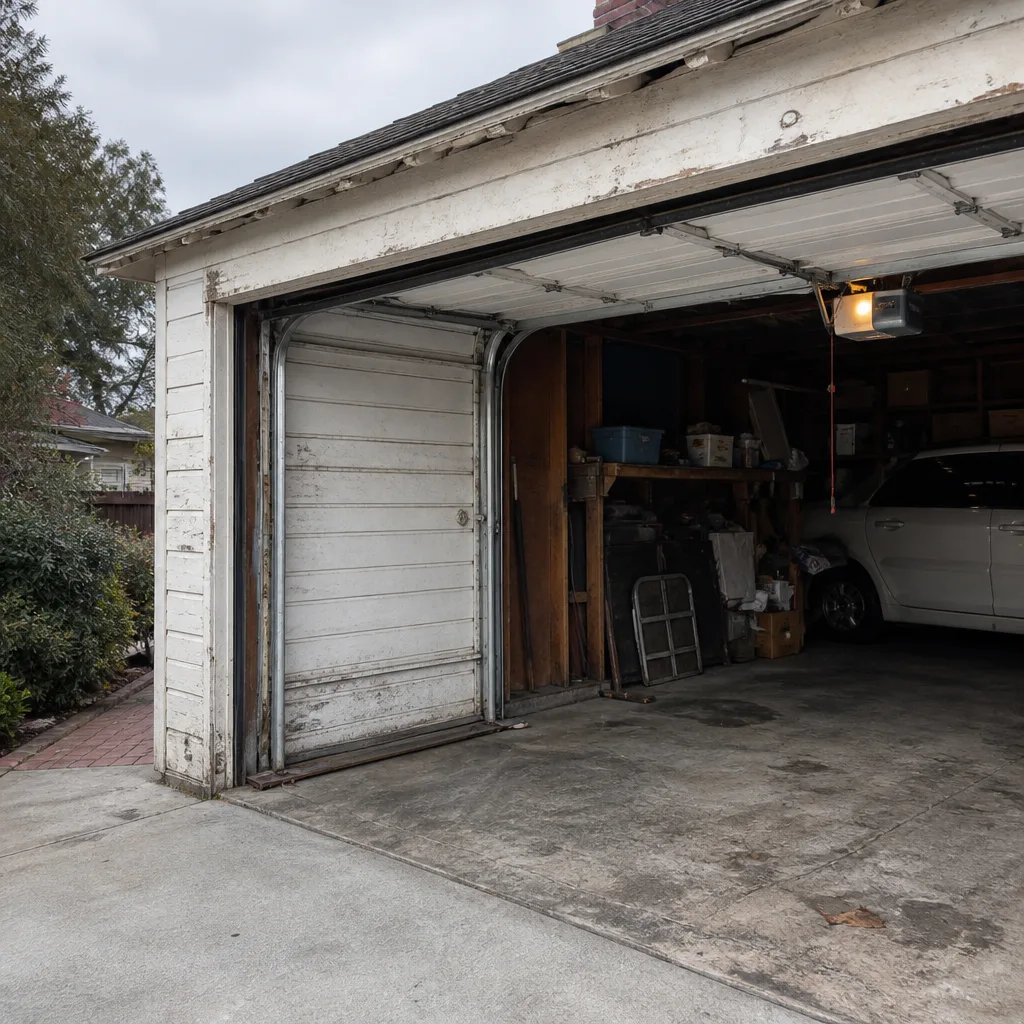 Before
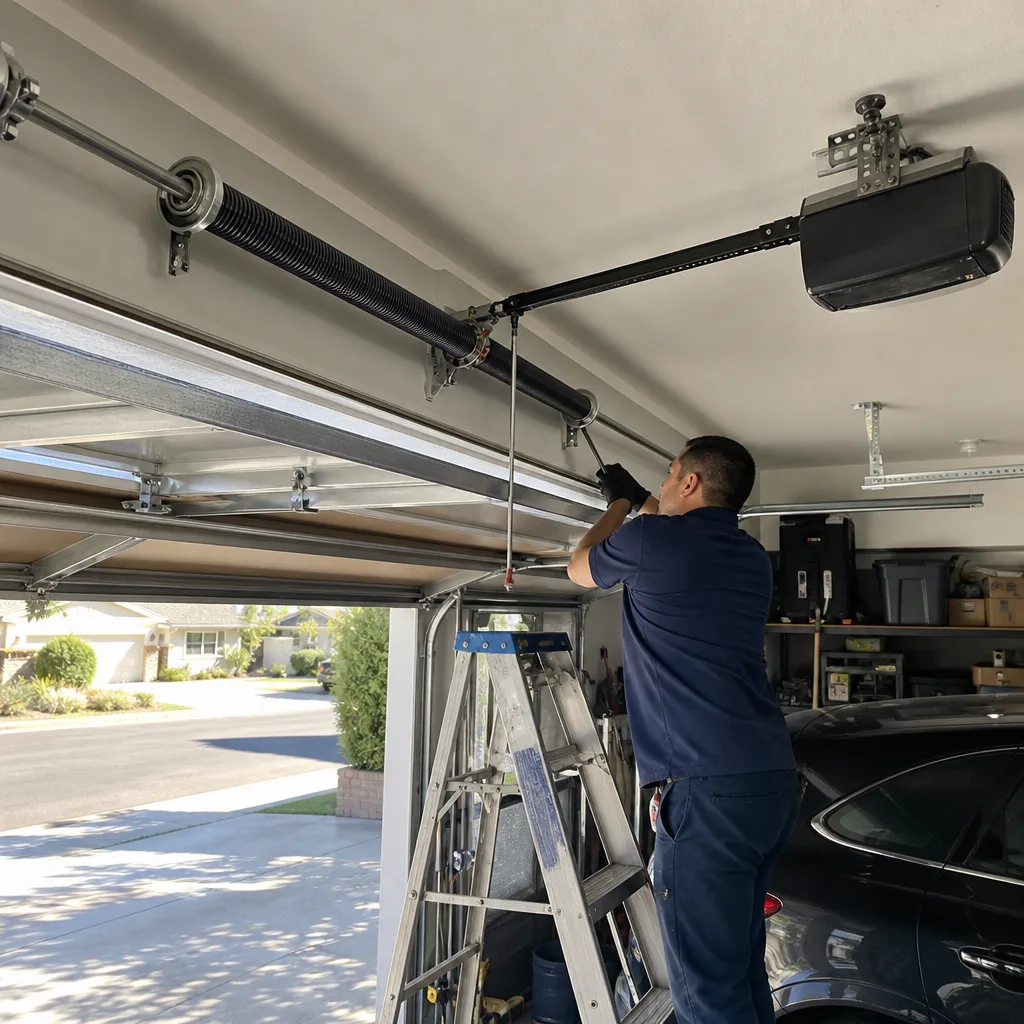 After
After